

Utkal University
Bhubaneswar, Odisha
Bhubaneswar, Odisha
ଉତ୍କଳ ବିଶ୍ୱବିଦ୍ୟାଳୟ
ଭୁବନେଶ୍ୱର, ଓଡ଼ିଶା
ଭୁବନେଶ୍ୱର, ଓଡ଼ିଶା
- About Us
-
-
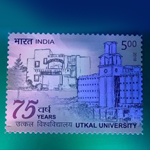
POSTAGE STAMP
UNIVERSITY LOGO
UNIVERSITY SONG

-
-
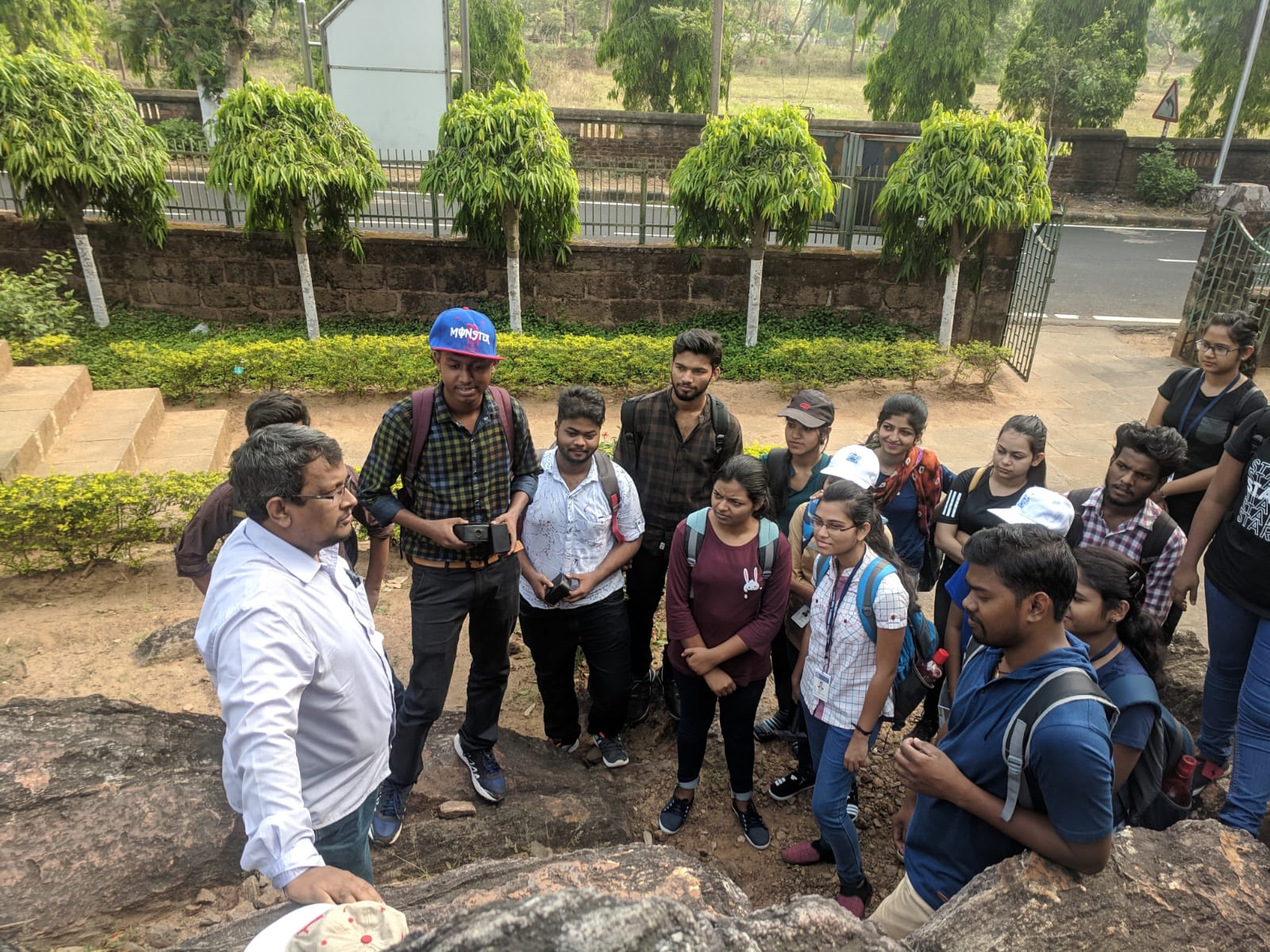
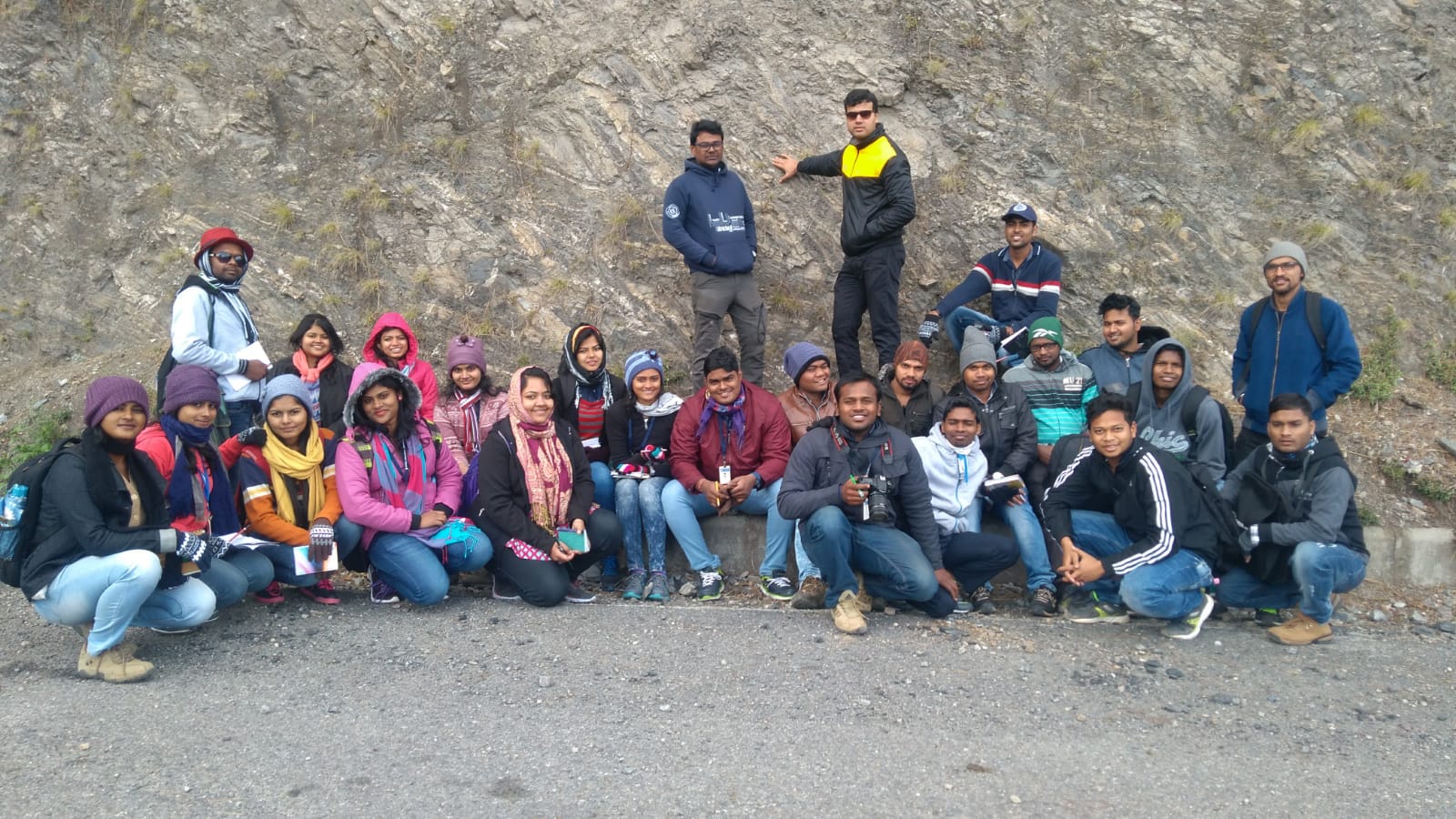
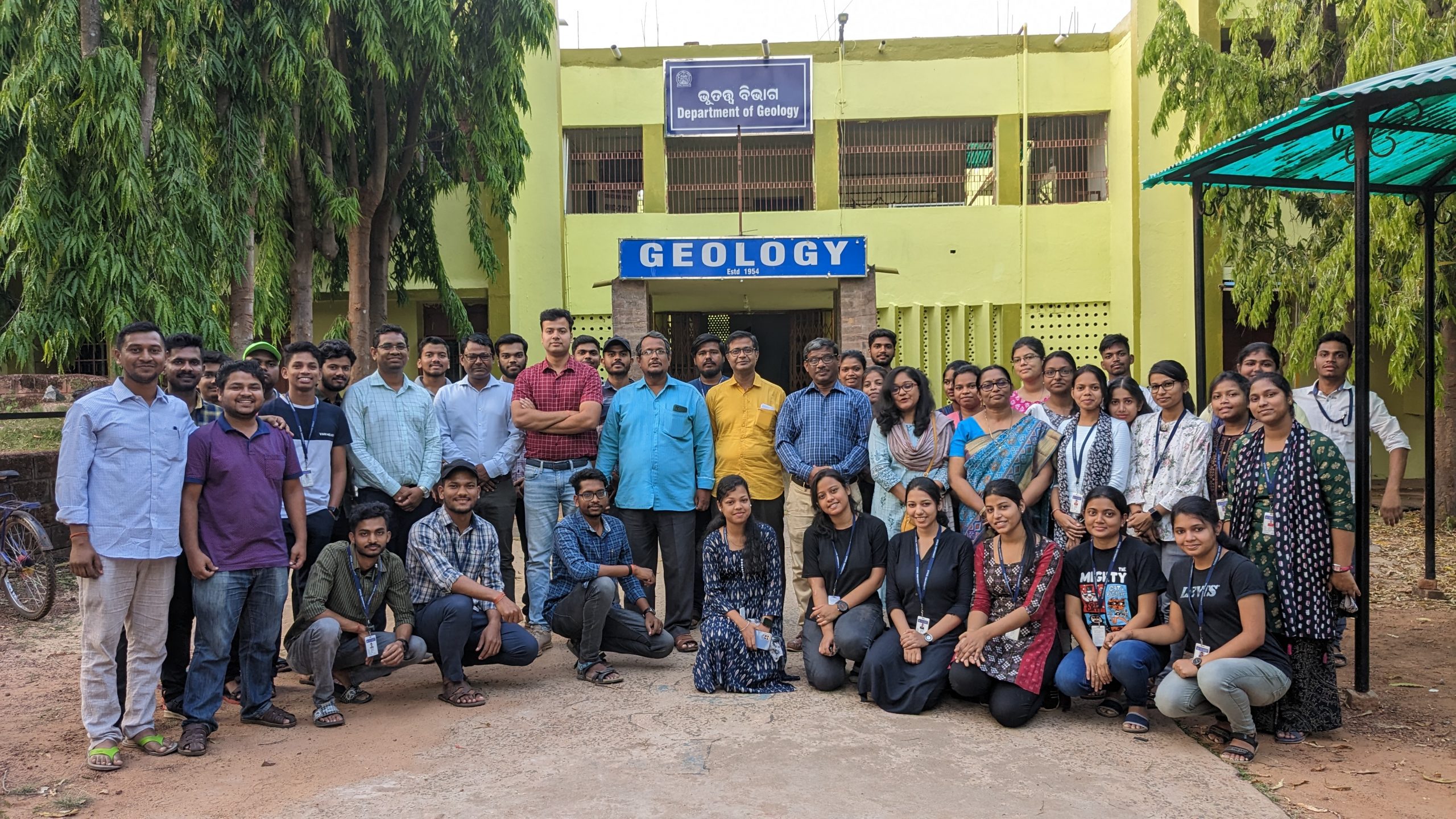
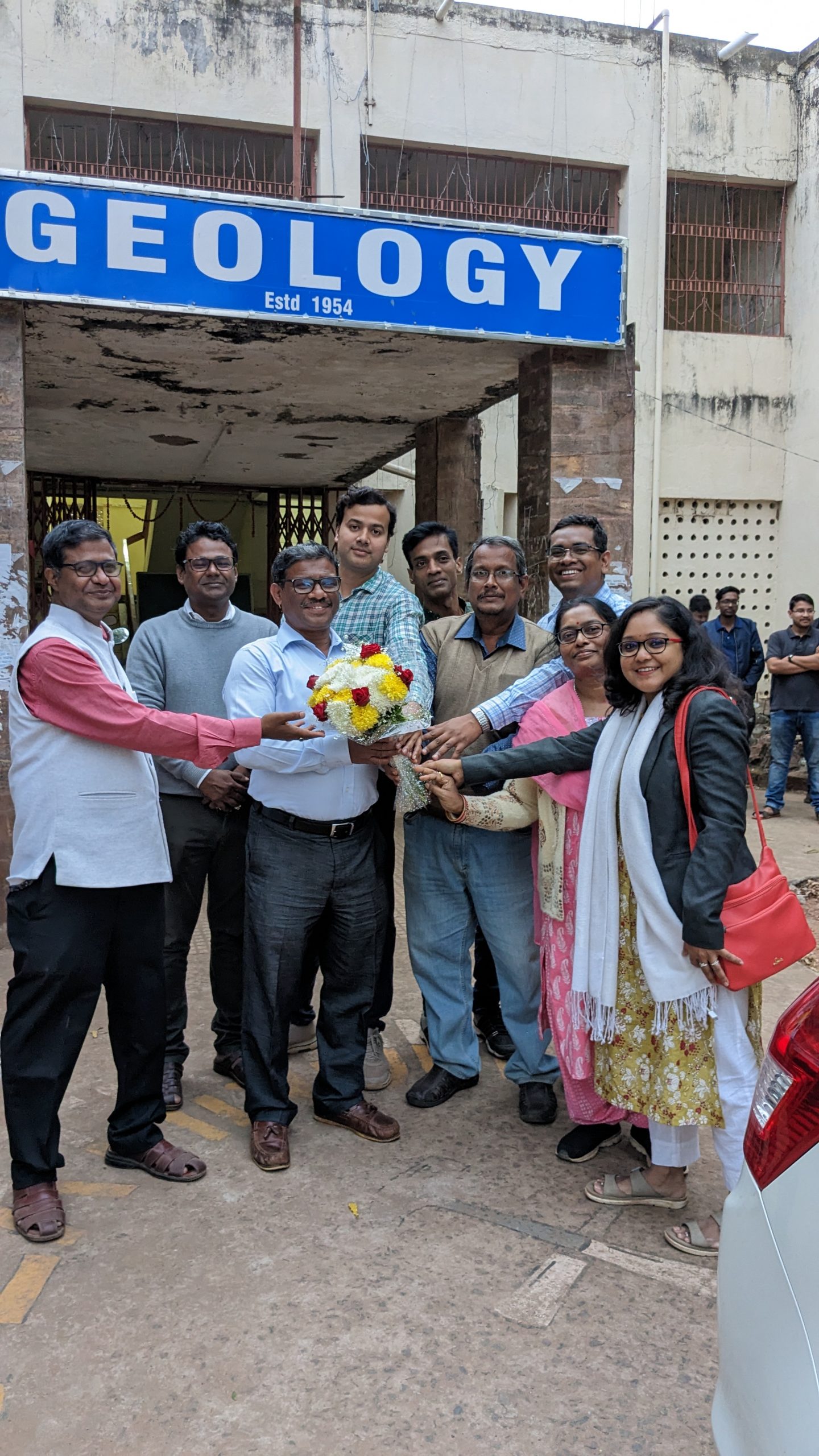
Established in 1954, the Department of Geology, Utkal University, is one of the oldest and most distinguished centres for geoscience education and research in eastern India. Since the commencement of postgraduate teaching in 1956, the Department has nurtured generations of geoscientists, academicians, researchers, administrators, and industry professionals who have made significant contributions to Earth sciences in India and abroad.
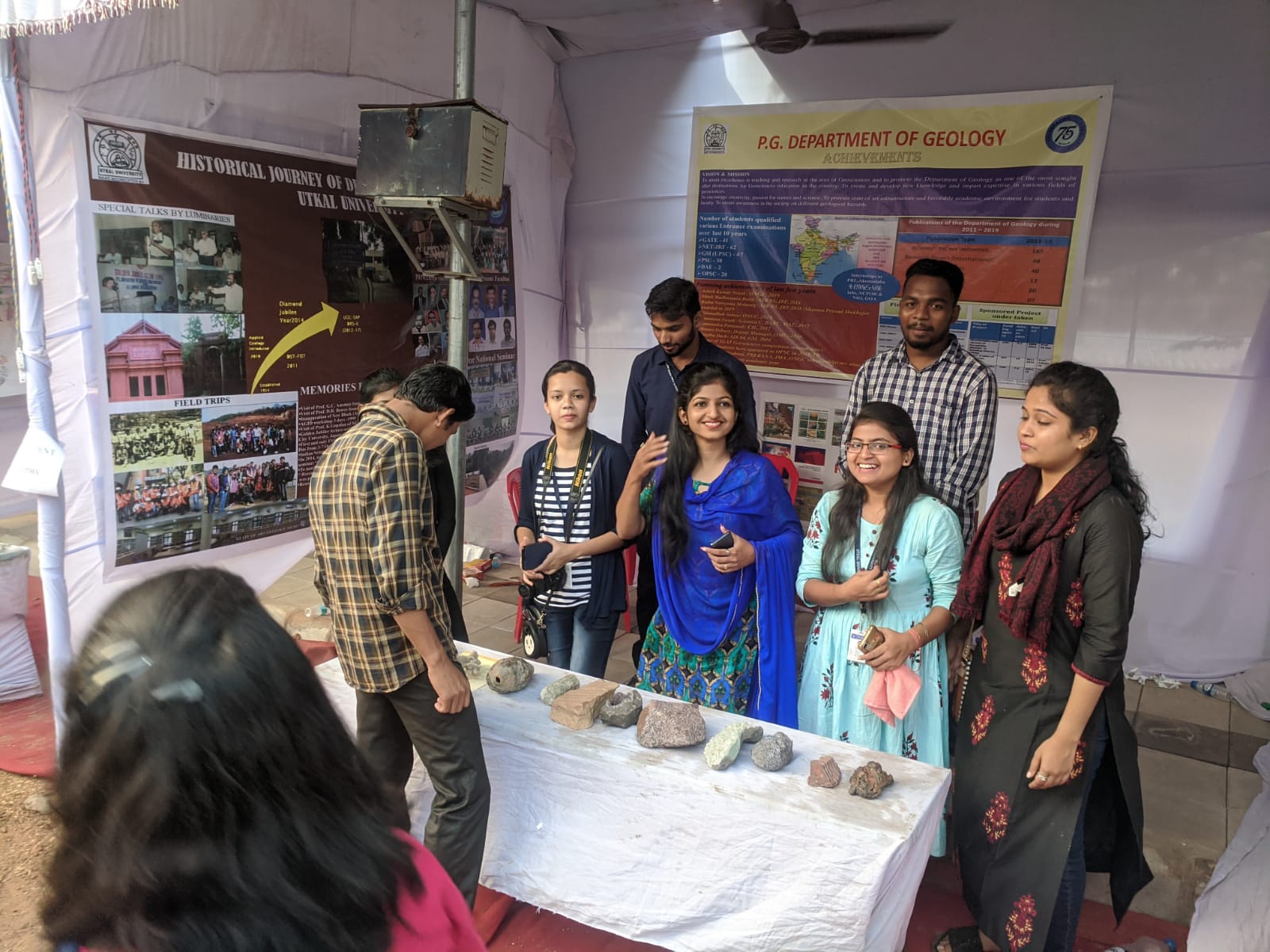
The Department began its academic journey at the historic Ravenshaw College, Cuttack, before relocating to the Vani Vihar Campus, Bhubaneswar, in 1977. Its present academic building, inaugurated in 1983, was established with generous support from the University Grants Commission (UGC) and the Odisha Mining Corporation (OMC). The Department’s Museum and auditorium have subsequently been modernized through the valuable contributions of its Alumni Association and Tata Steel, enriching the academic and learning environment.
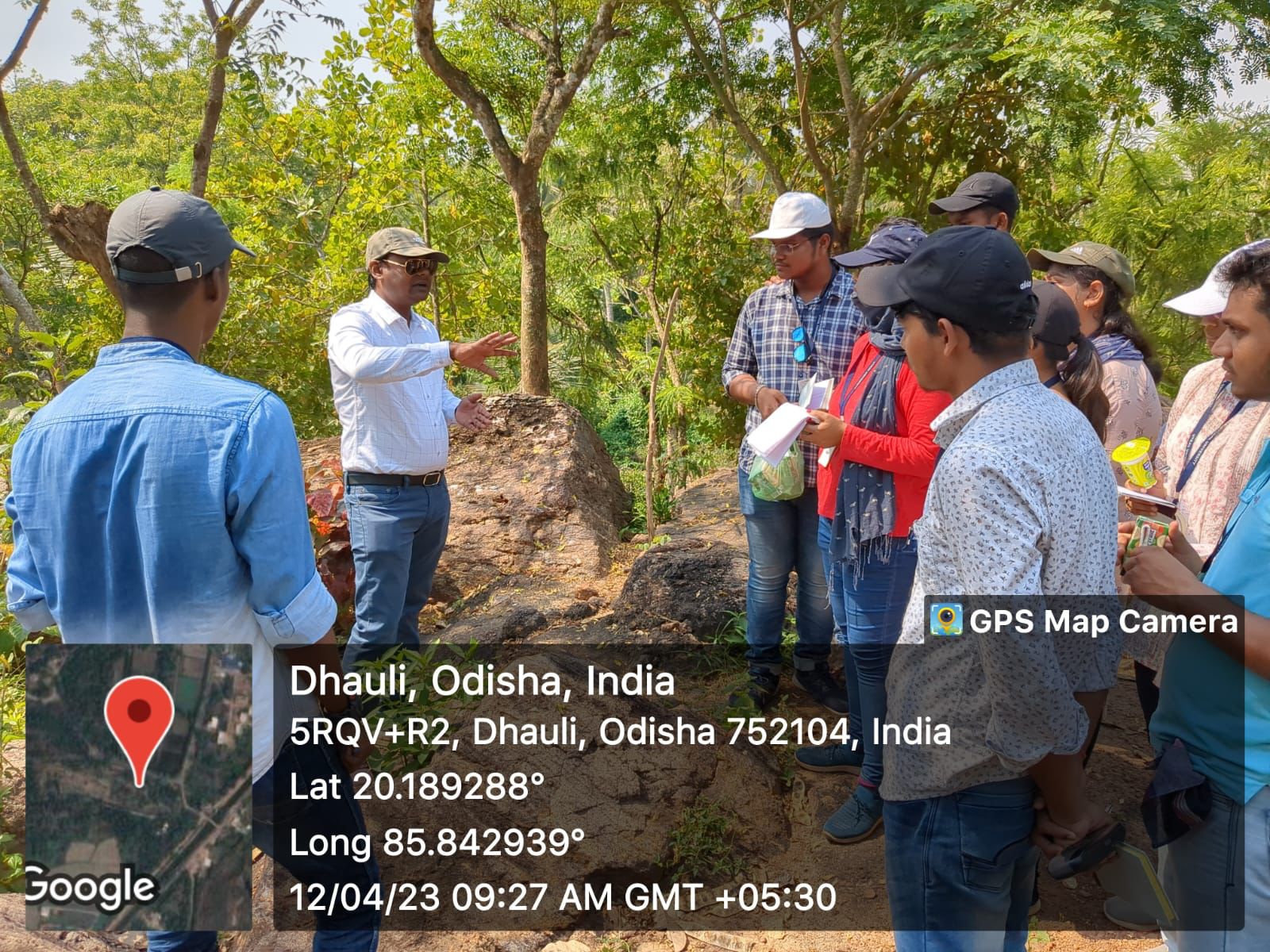
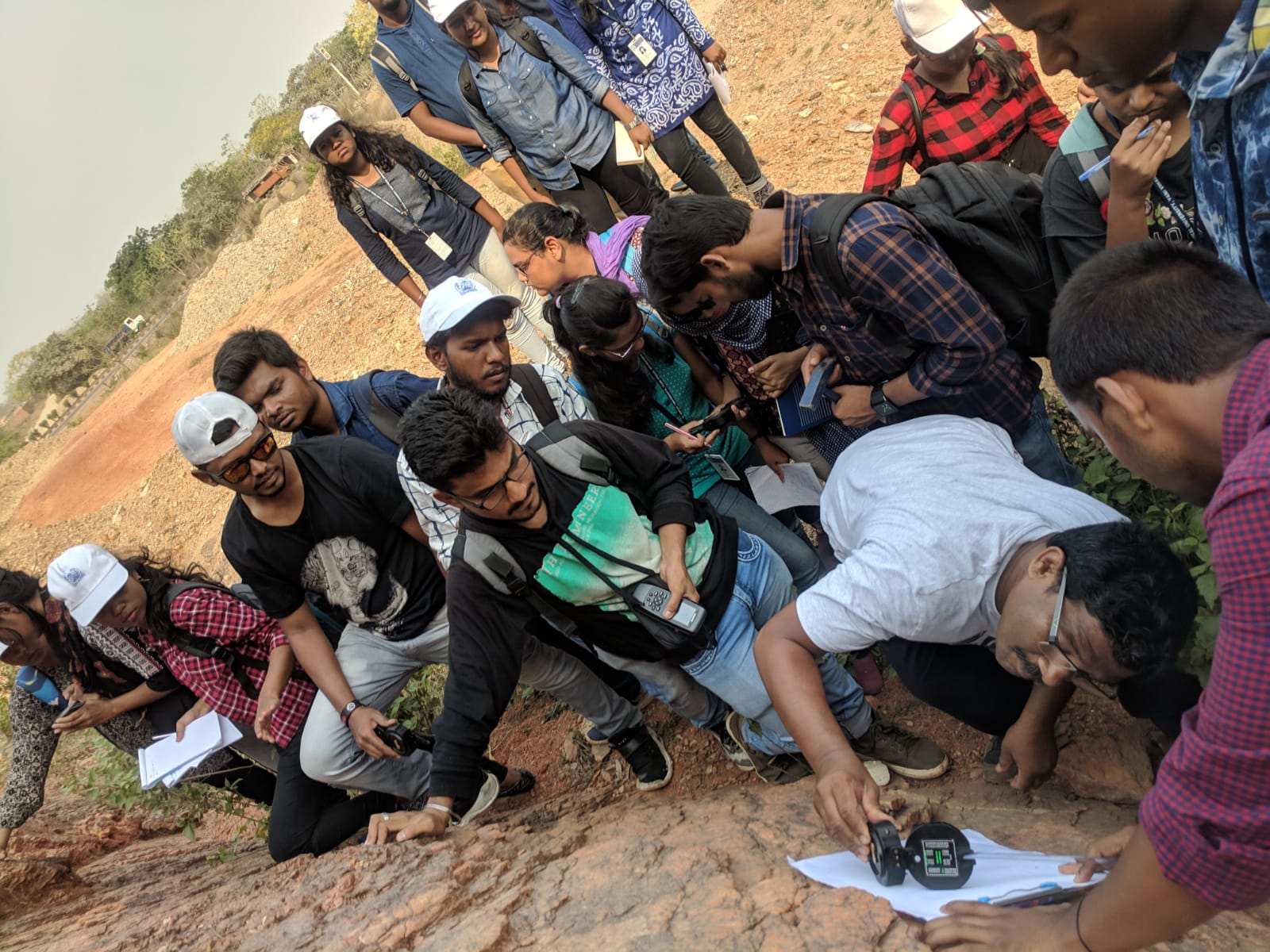
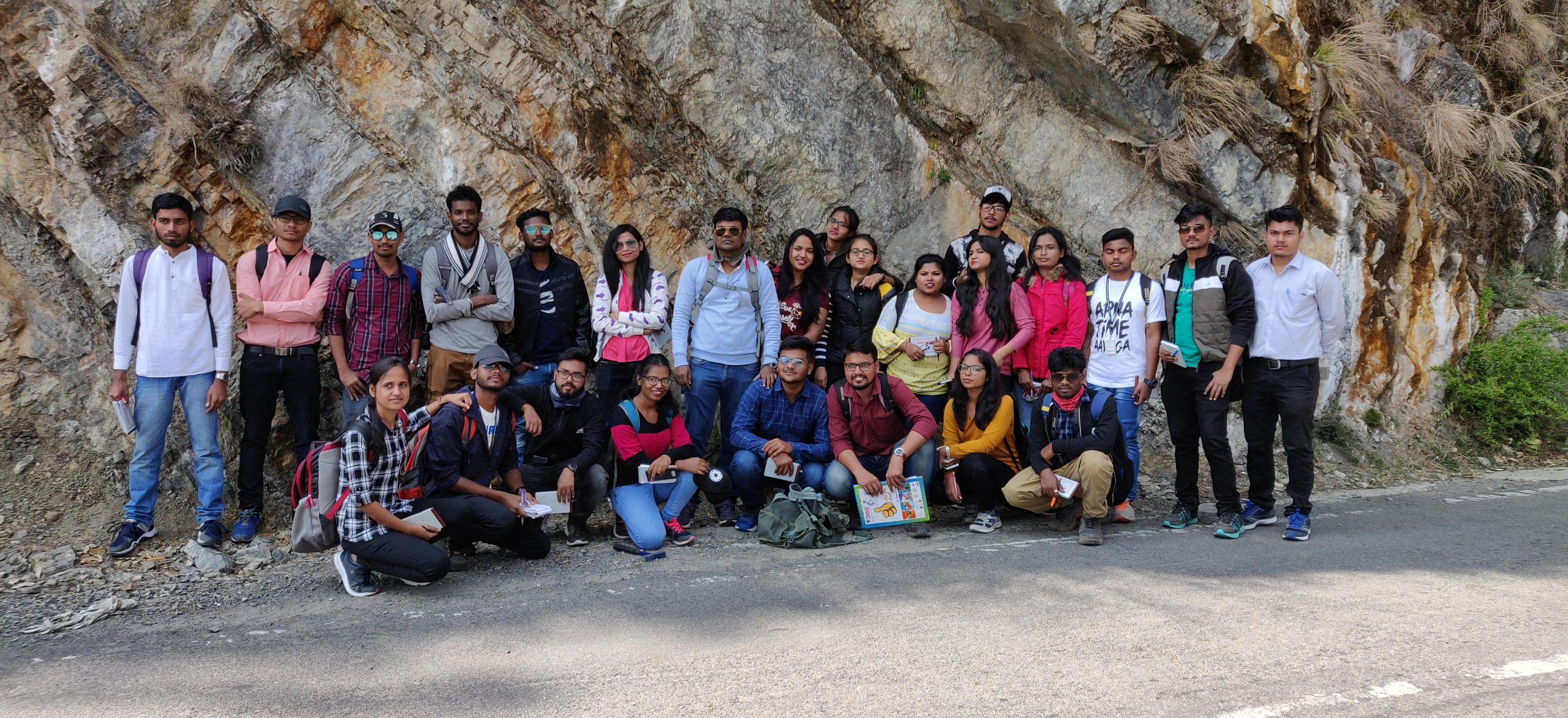
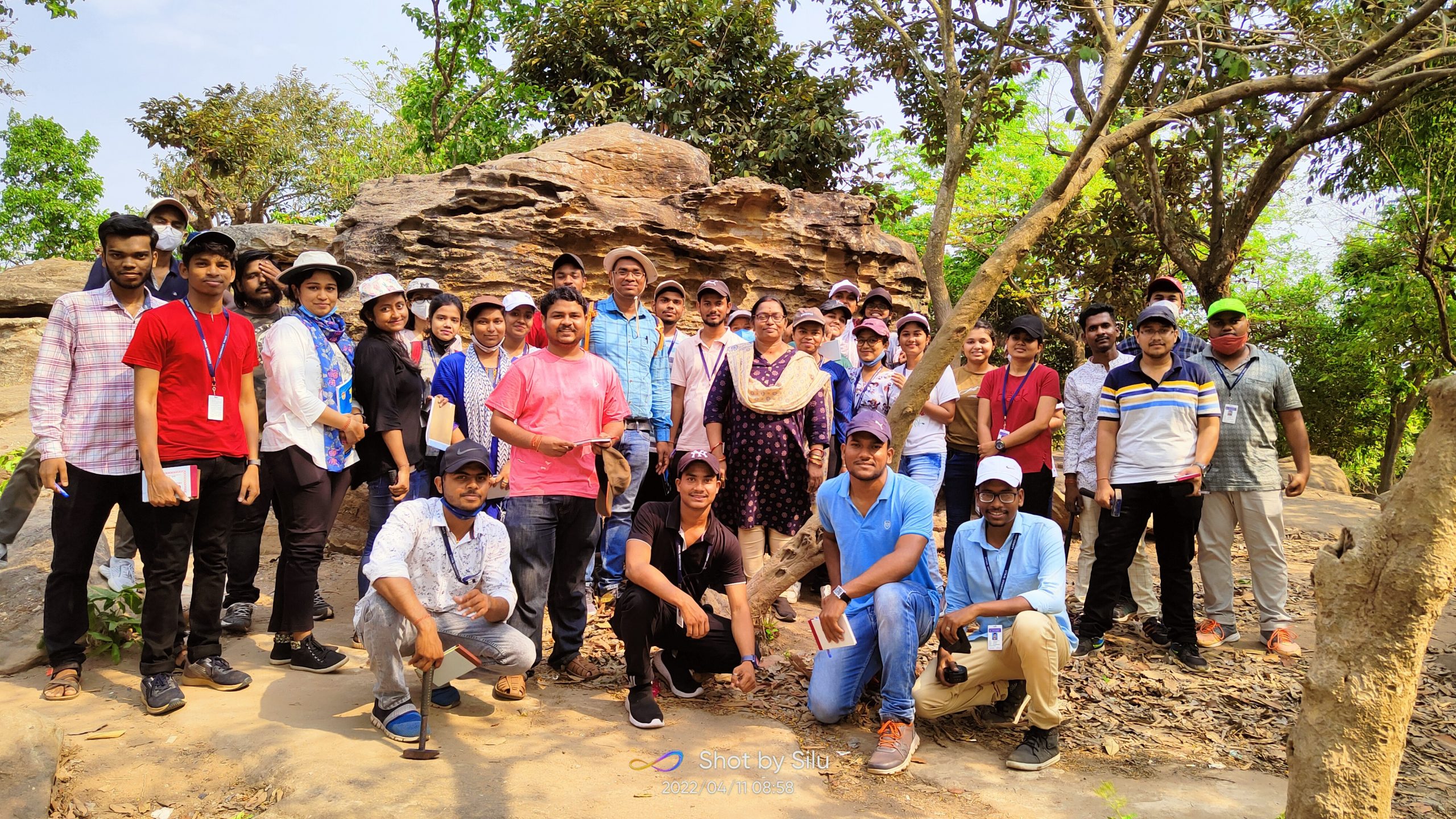
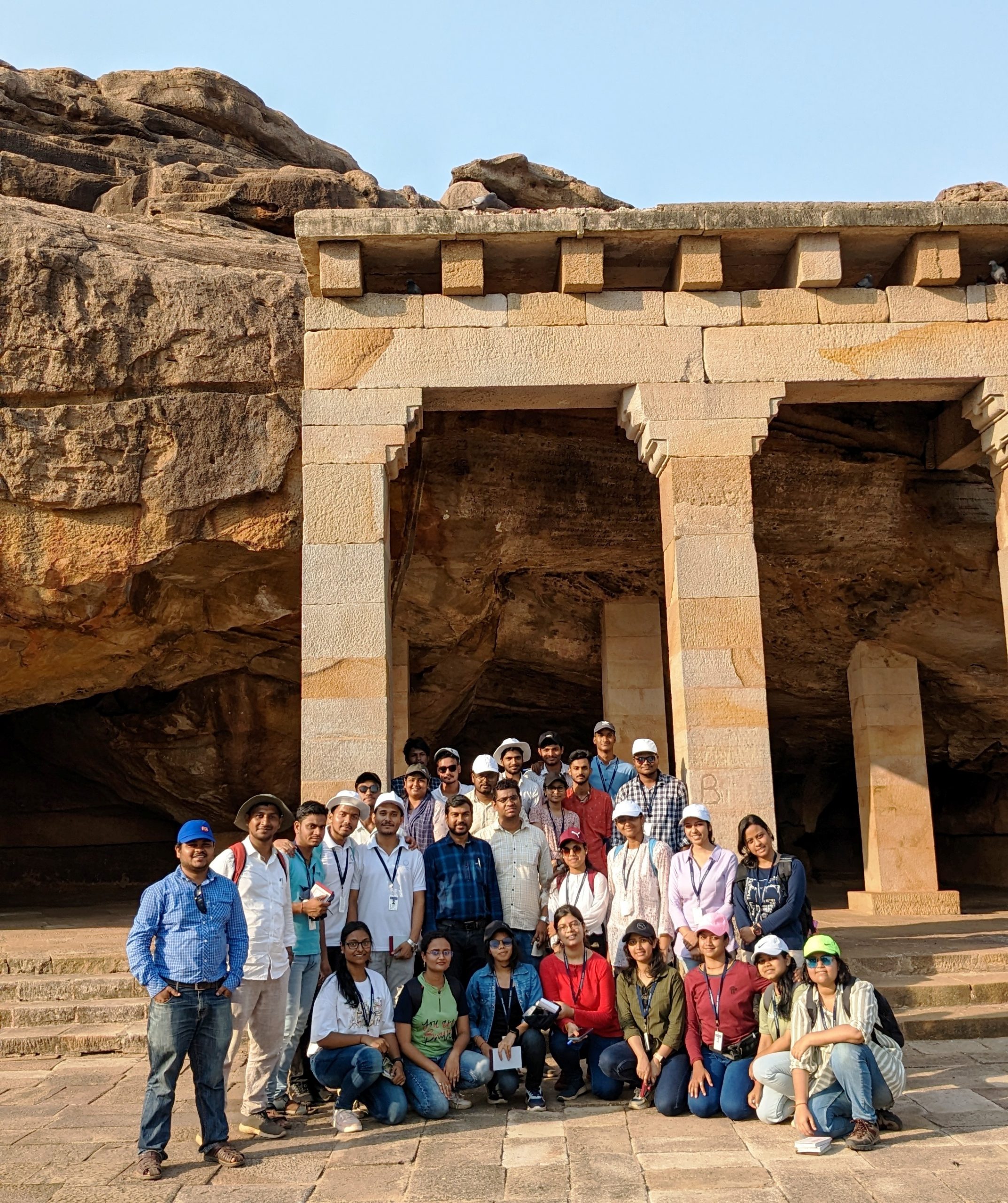
With a proud legacy spanning over seven decades, the Department has evolved into a vibrant centre of excellence in geosciences, integrating high-quality teaching, cutting-edge research, field-based learning, and societal engagement. Its academic and research activities encompass mineral and energy resources, groundwater and environmental studies, palaeontology, tectonics, geospatial technologies, climate change, disaster risk reduction, and sustainable Earth-system management. Through innovation, interdisciplinary collaboration, and a commitment to scientific excellence, the Department continues to address emerging geoscientific challenges while contributing to sustainable development, environmental stewardship, and national capacity building.




To emerge as a nationally recognized Centre of Excellence in Geoscience Education, Research, Innovation and Societal Outreach with focus on sustainable resource management, disaster resilience, environmental stewardship and cutting-edge geospatial technologies.

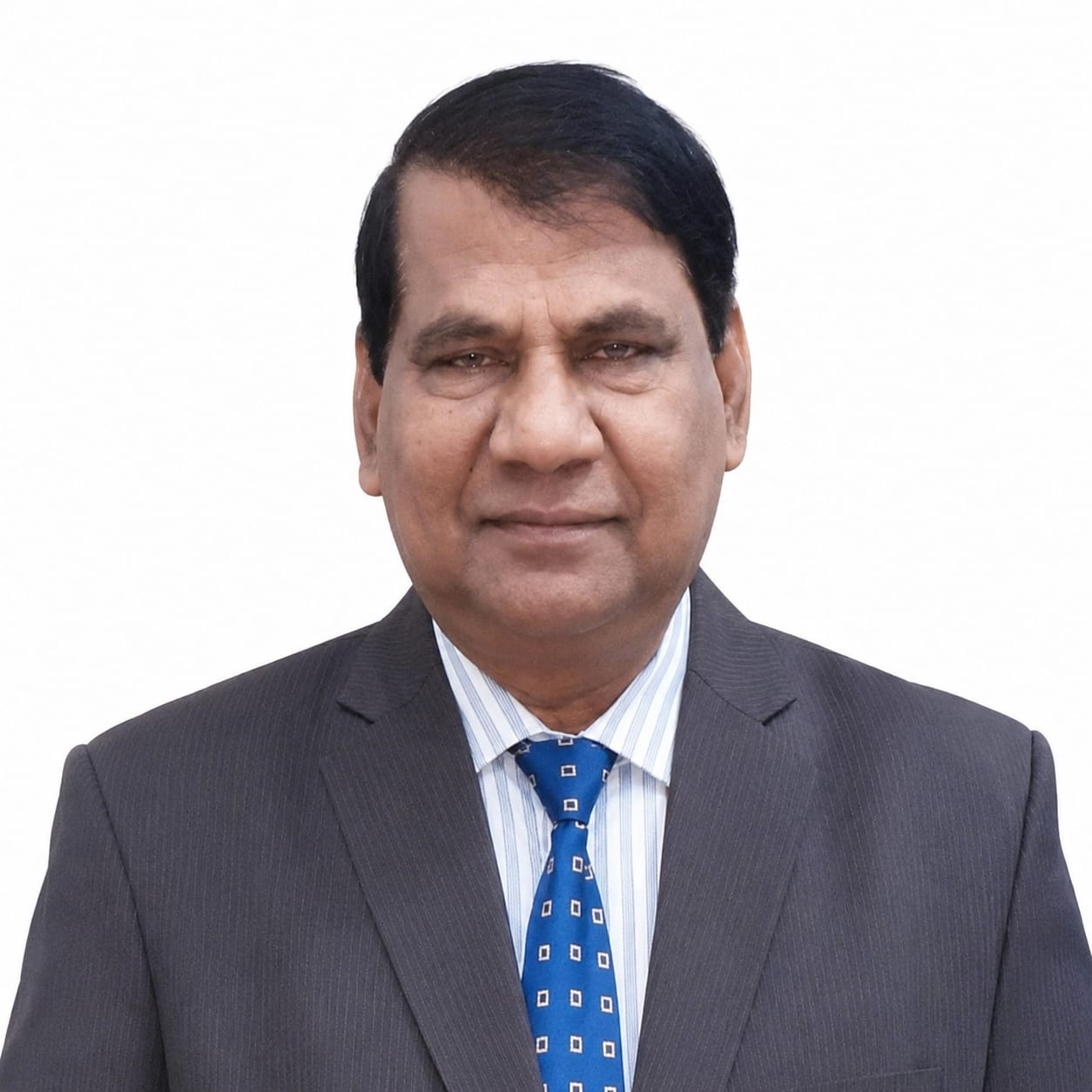
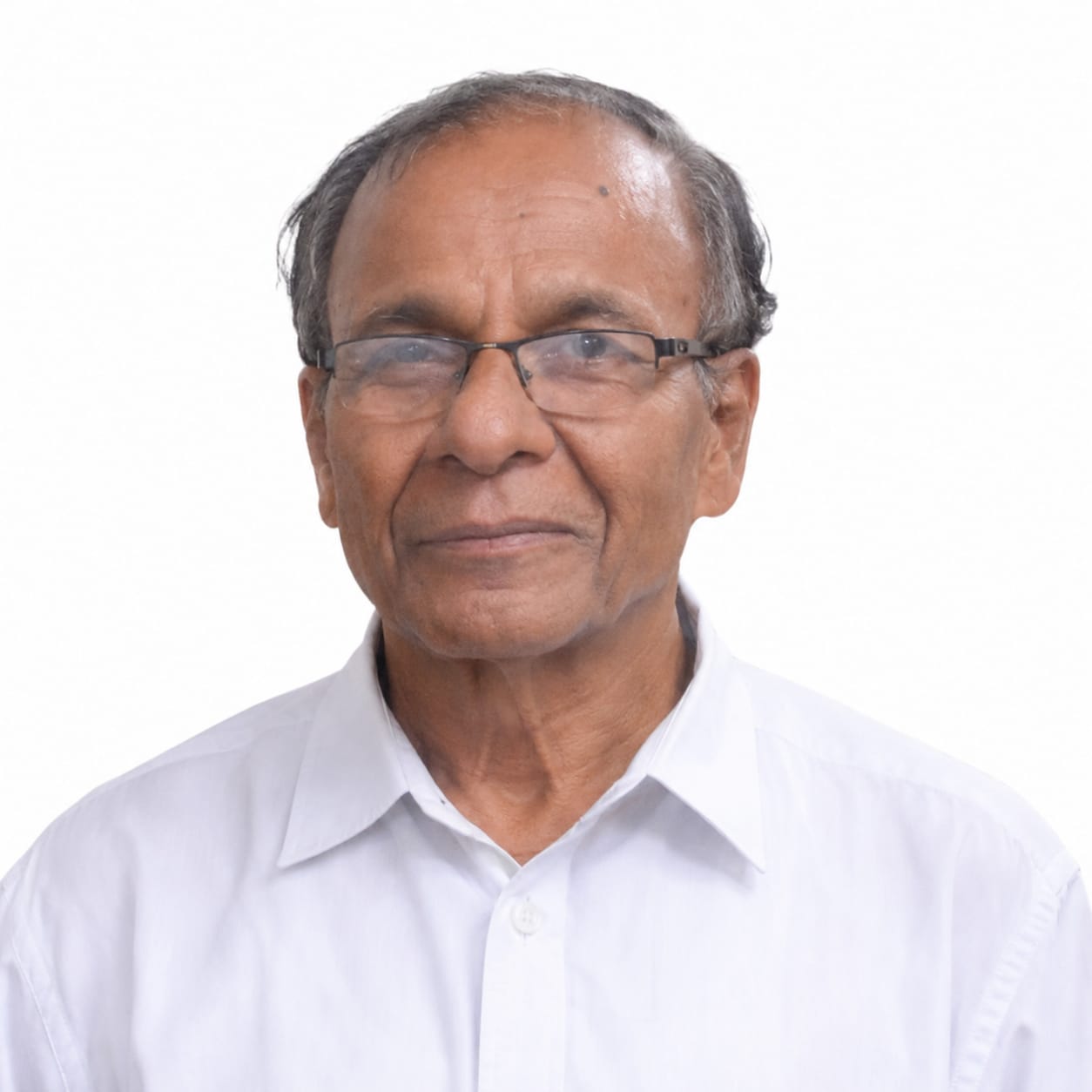
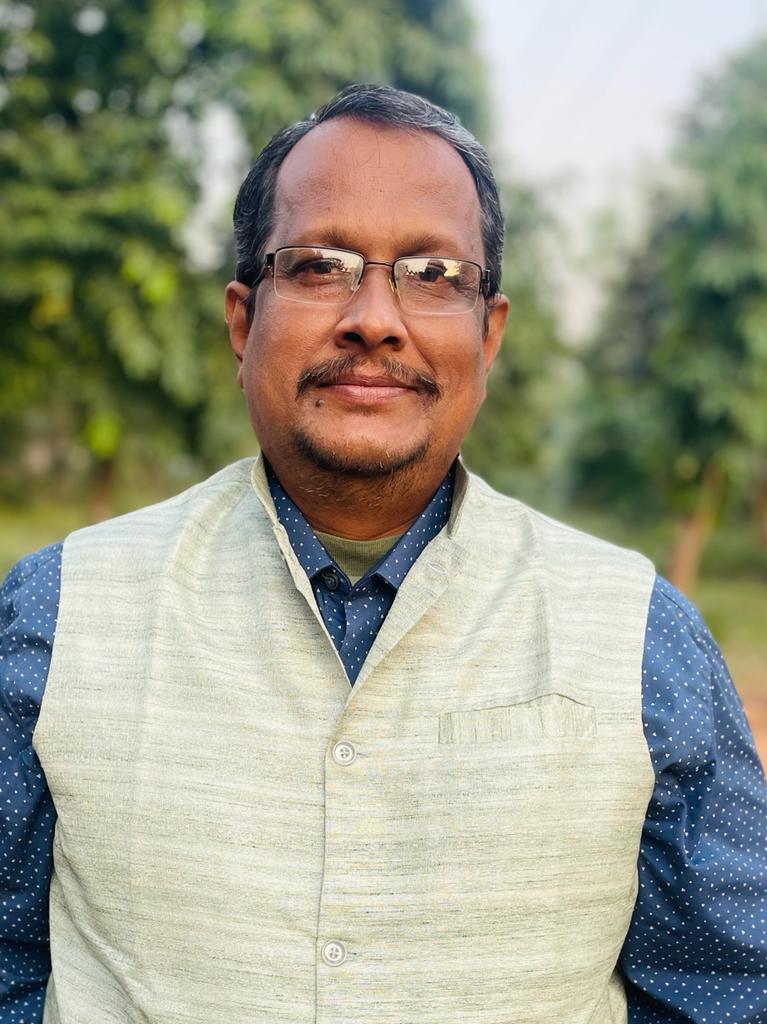
rnhota@yahoo.com
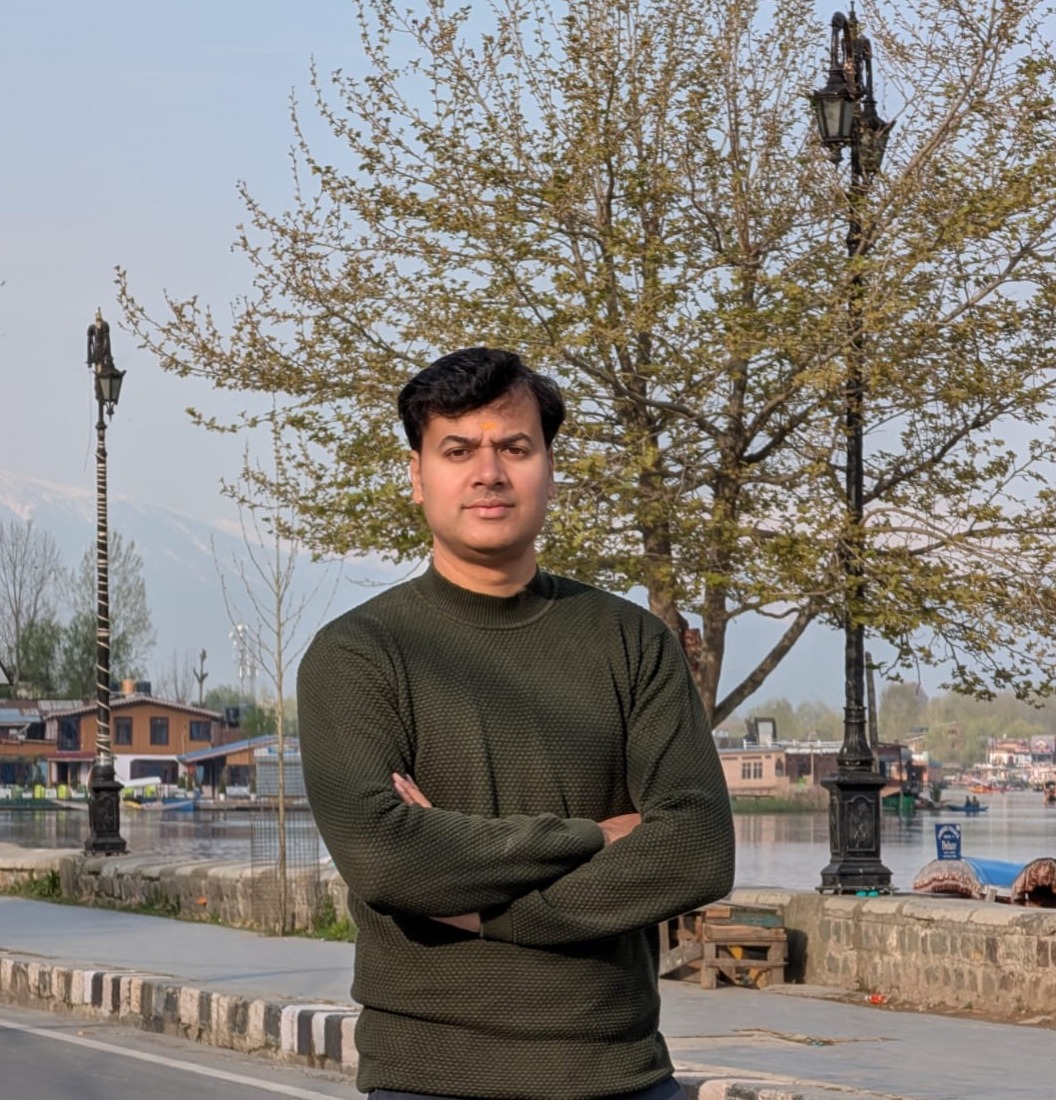
madhumitadas_geo@rediffmail.com
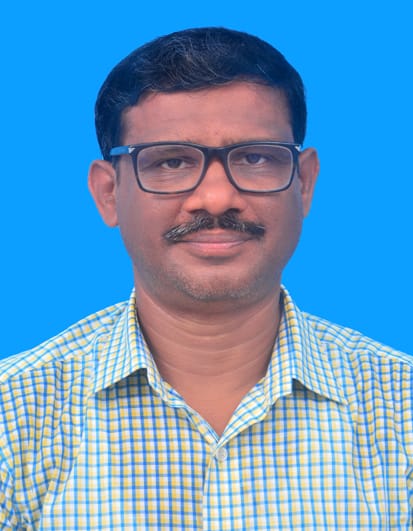
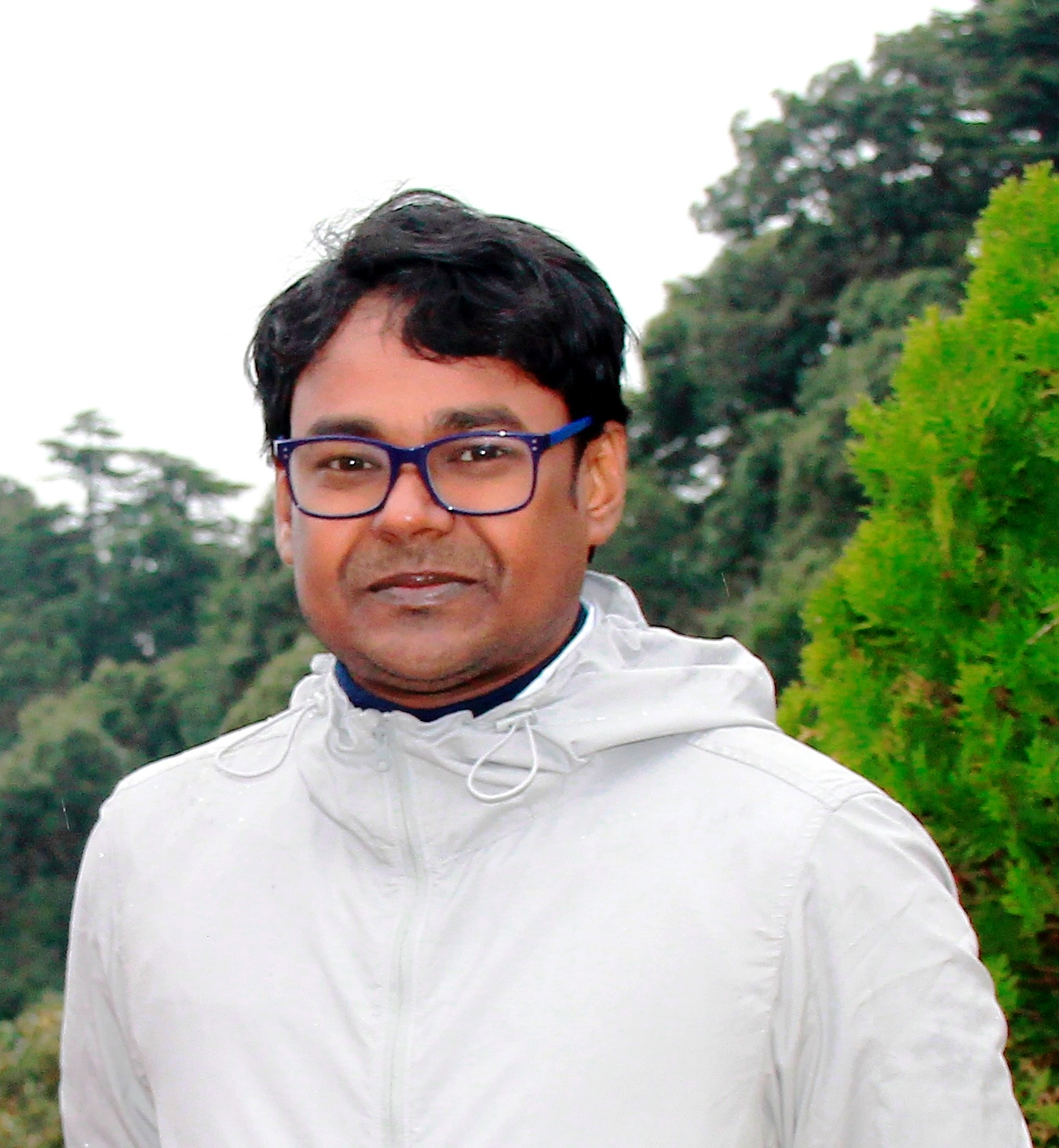
durgaspattanaik@gmail.com
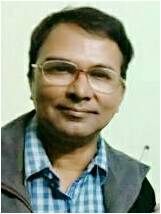
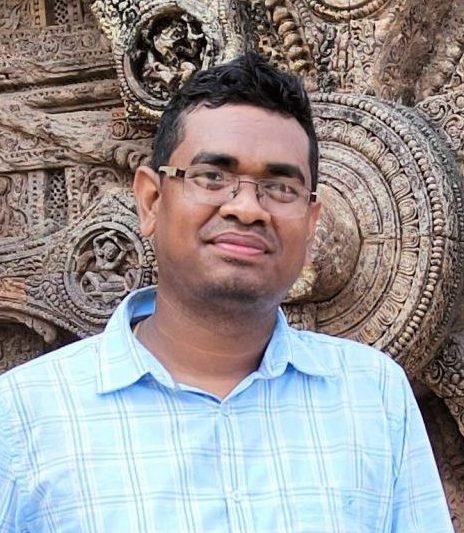
rathabk62@gmail.com
| Sl.No. | Programme | Seats |
|---|---|---|
| 1 | M.Sc. | 28 |
| 2 | Ph.D. |
Physical Facilities
| Facility | Number(s) |
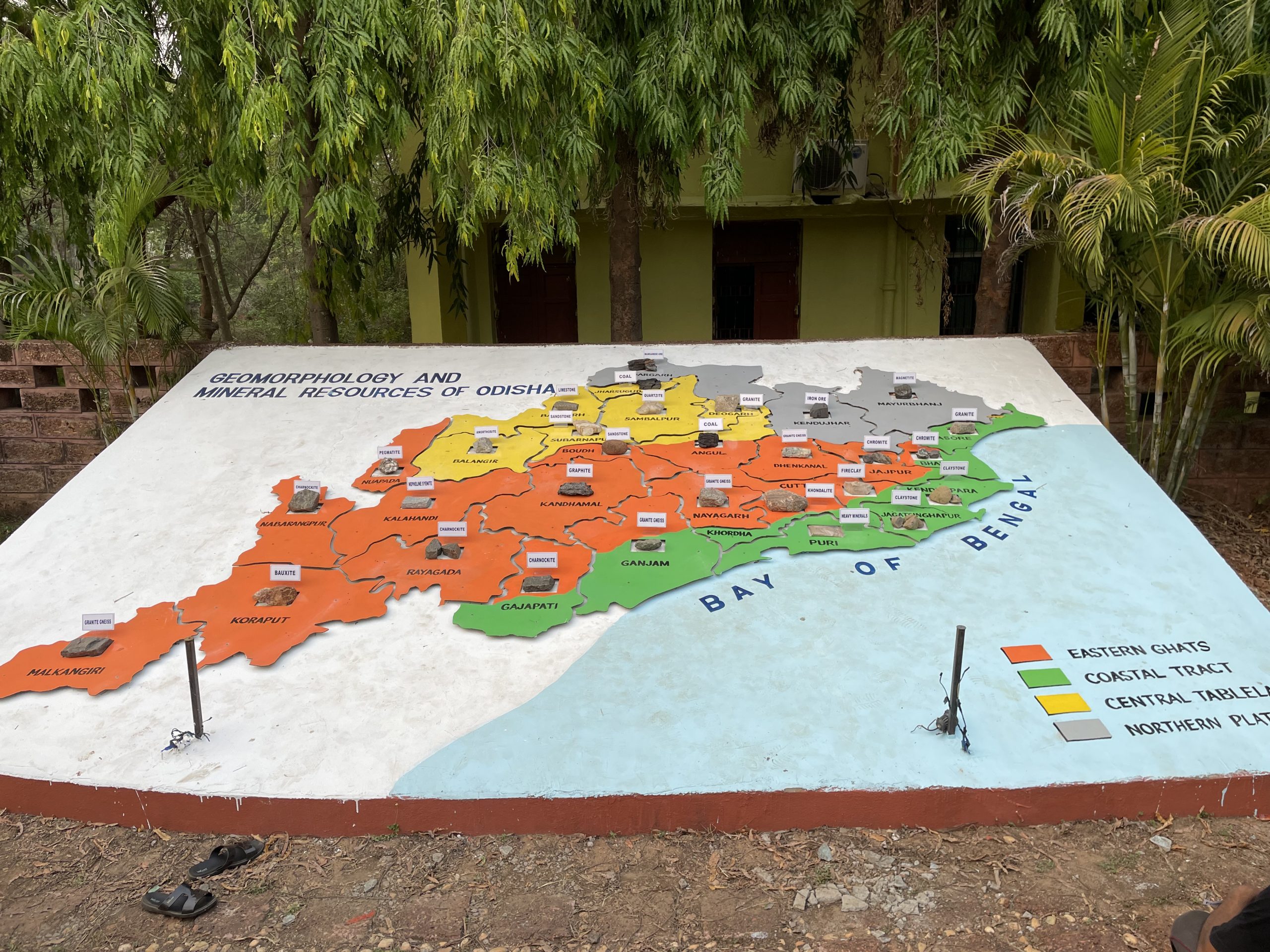
| State-of-the Art Museum | 01 |
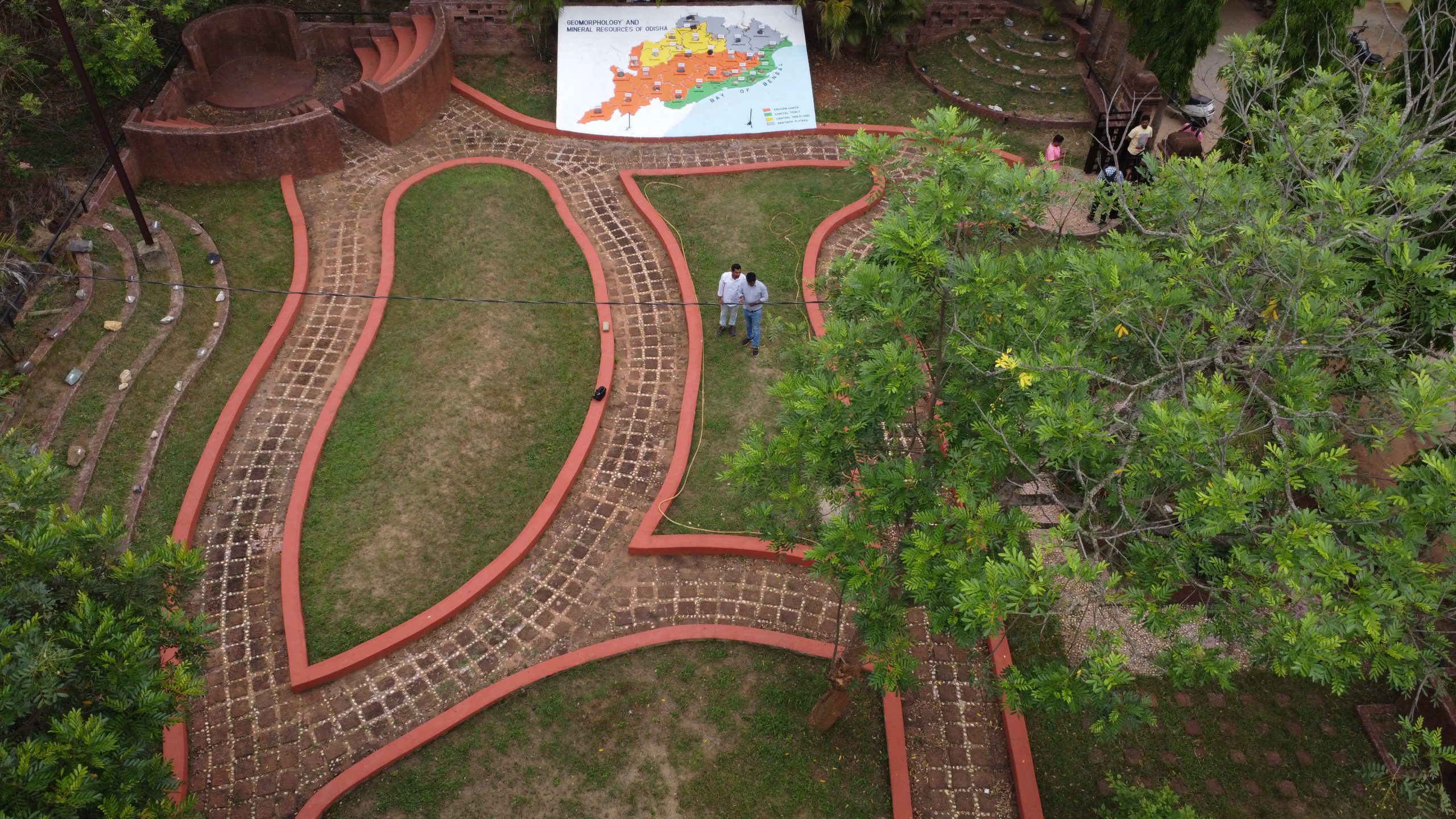
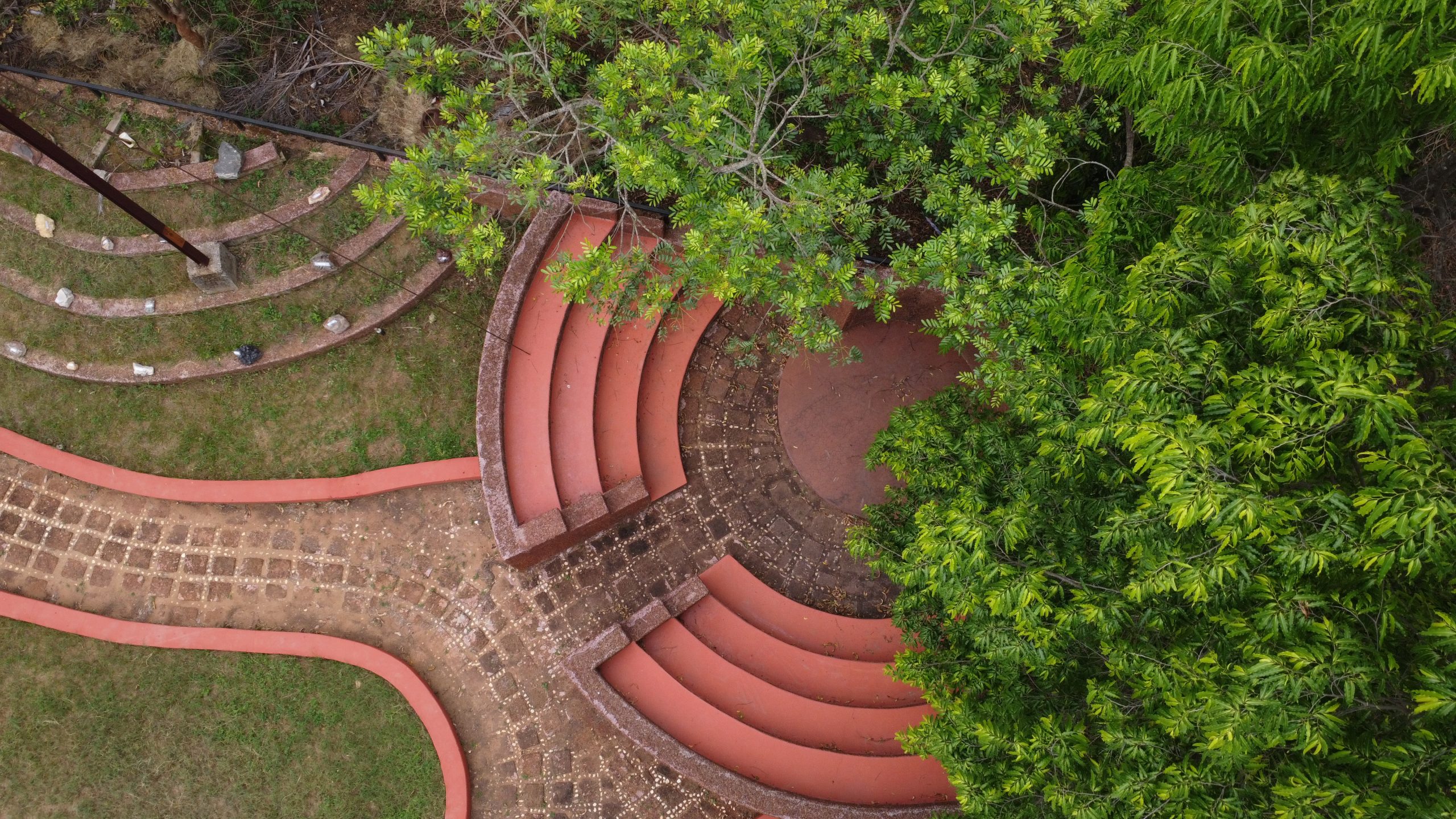
| Rock Garden | 01 |
| ICT enabled Class Room | 01 |
| Projector | 02 |
| Library | 01 |
| Seminar Library | 01 |
| Internet/WIFI |
Major Instrumental facilities
Excellence in Palaeontology: Prof. Shreerup Goswami
Mr. Subhashish Prusty was selected for the post of Geologist, Indian Rare Earth Ltd., 2024
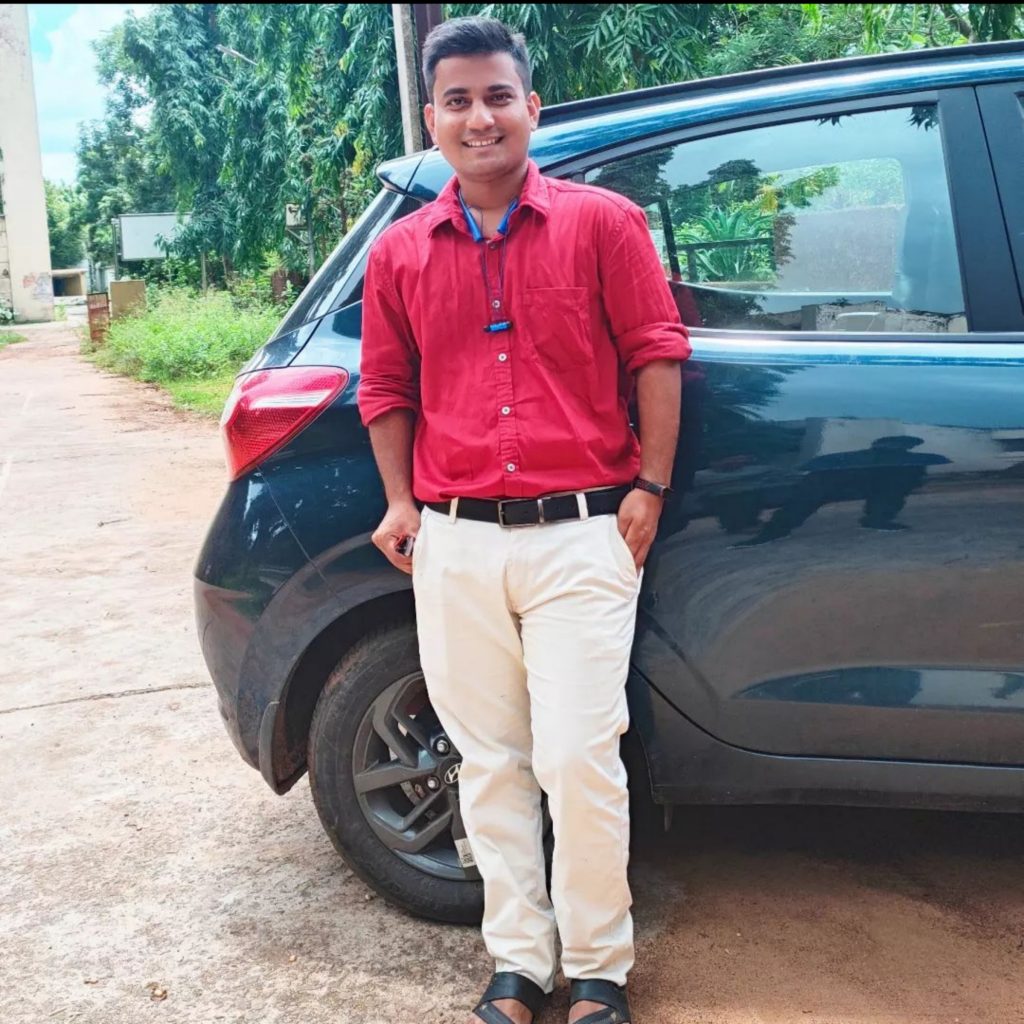
Mr. Bikash Mohanty secured AIR-3 (JRF) in CSIR-UGC NET Examination 2023
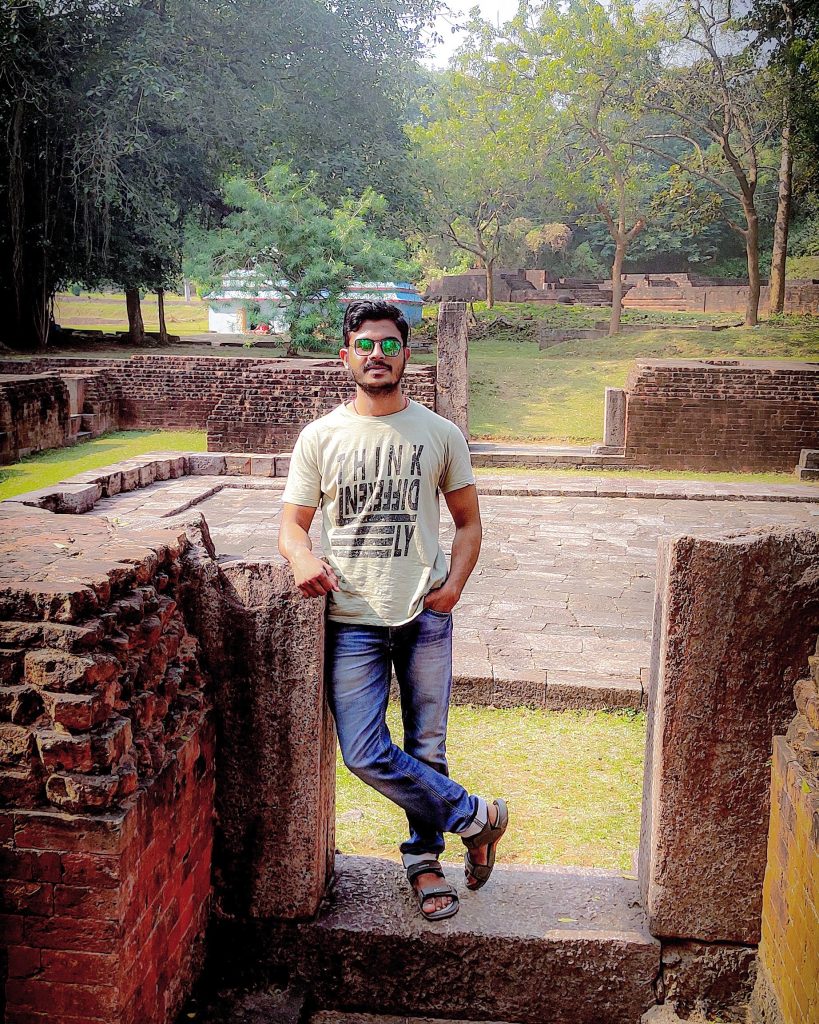
Mr. Bijaya Kumar Jena was selected for the post of Scientist in AMD, GOI, 2023
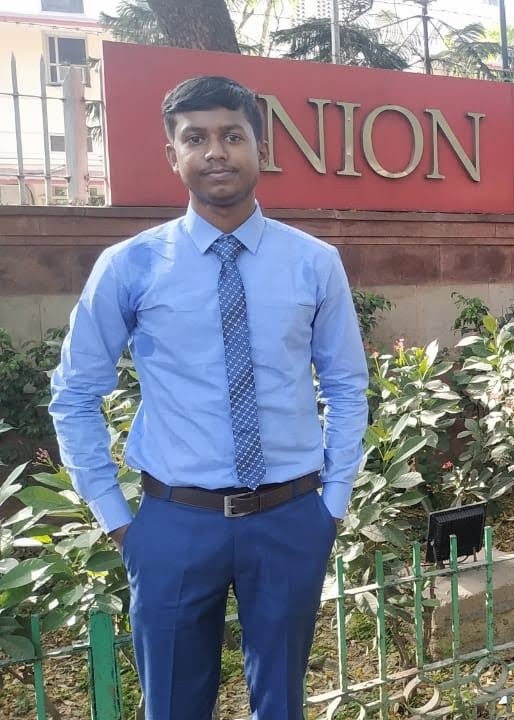
Mr. Gourab Kumar Swain secured Rank-1 in OPSC Geologists Examination 2022
Distinguished Alumni
| Sl. No. | Name | Positions |
| 1 | Late Prof. Satyananda Acharya | Former Vice Chancellor, Utkal University |
| 2 | Shri Pradeep Kumar Jena, IAS | Former Chief Secretary, Govt. of Odisha |
| 3 | Shri Satyajit Mohanty, IPS | Chairman, OPSC |
| 4 | Shri Pramod Kumar Merkap,IFS | Former Chairperson, Odisha State Food Commission |
| 5 | Prof. Madhumita Das | Former Vice Chancellor, Fakir Mohan University |
| 6 | Shri Rajat Kumar Mishra, IAS | Additional Chief Secretary, Govt. of Rajasthan |
| 7 | Shri Rajendra Kumar Sahoo, IPS | Govt. of Chhatisgarh |
| 8 | Shri Lingaraj Otta, IFS | Asst. PCCF, Govt. of Odisha |
| 9 | Prof. M. K. Panigraphy | Professor, Indian Institute of Technology Kharagpur |
| 10 | Dr. Ranjit Rath | CMD, Oil India |