

Utkal University
Bhubaneswar, Odisha
Bhubaneswar, Odisha
ଉତ୍କଳ ବିଶ୍ୱବିଦ୍ୟାଳୟ
ଭୁବନେଶ୍ୱର, ଓଡ଼ିଶା
ଭୁବନେଶ୍ୱର, ଓଡ଼ିଶା
- About Us
-
-
POSTAGE STAMP
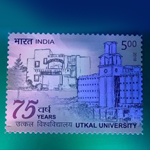
UNIVERSITY LOGO

UNIVERSITY SONG

-
-

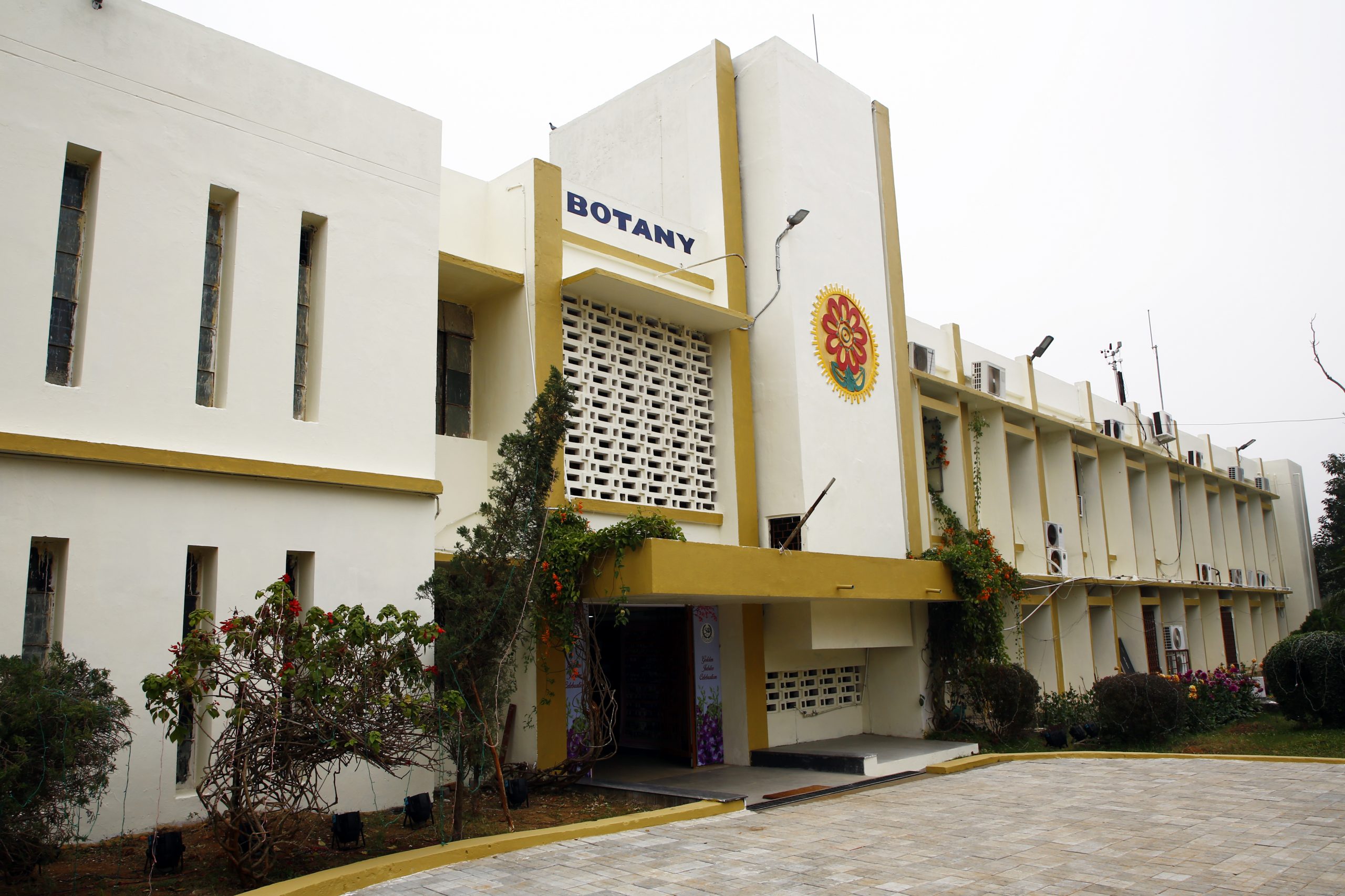
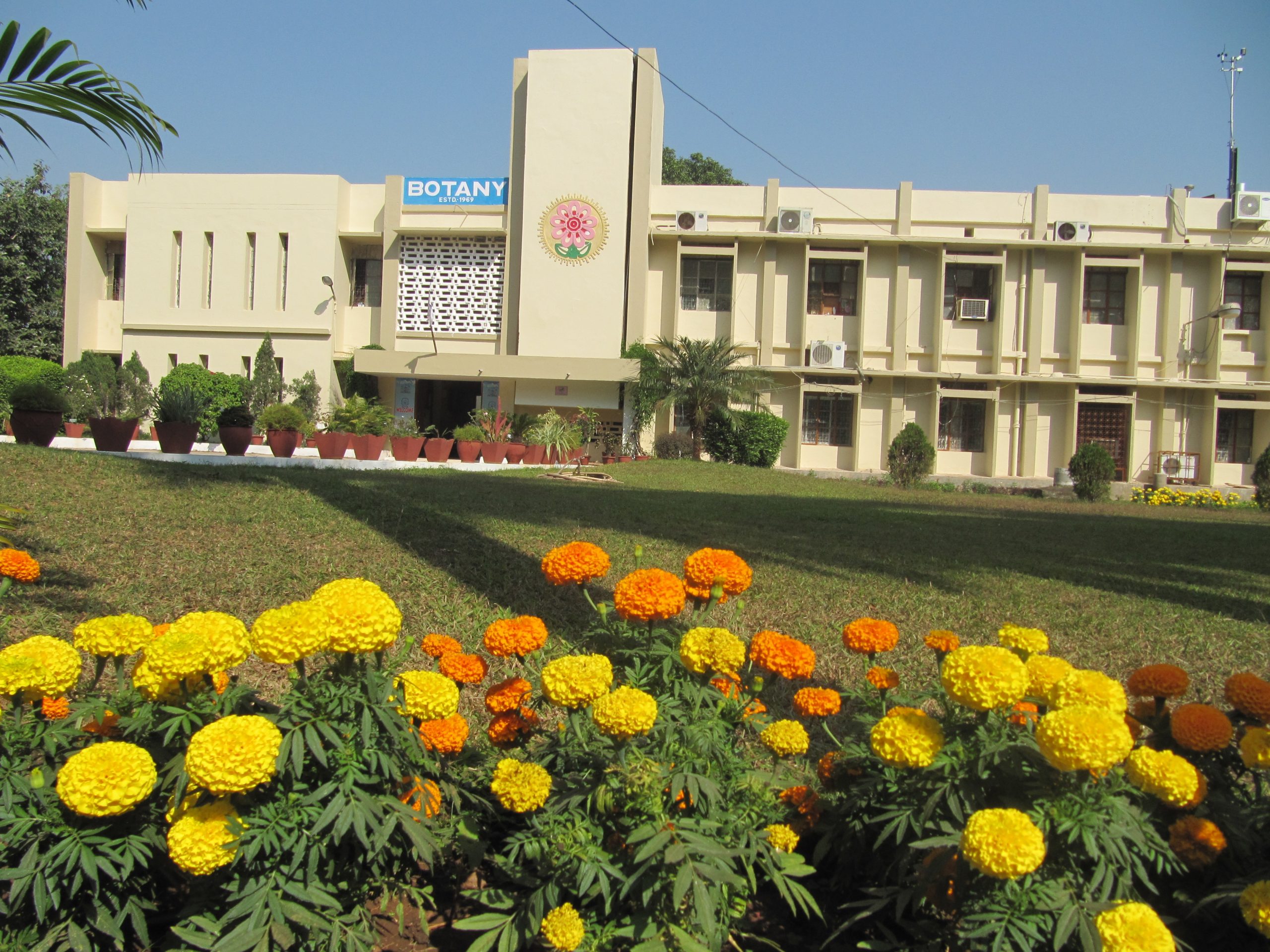
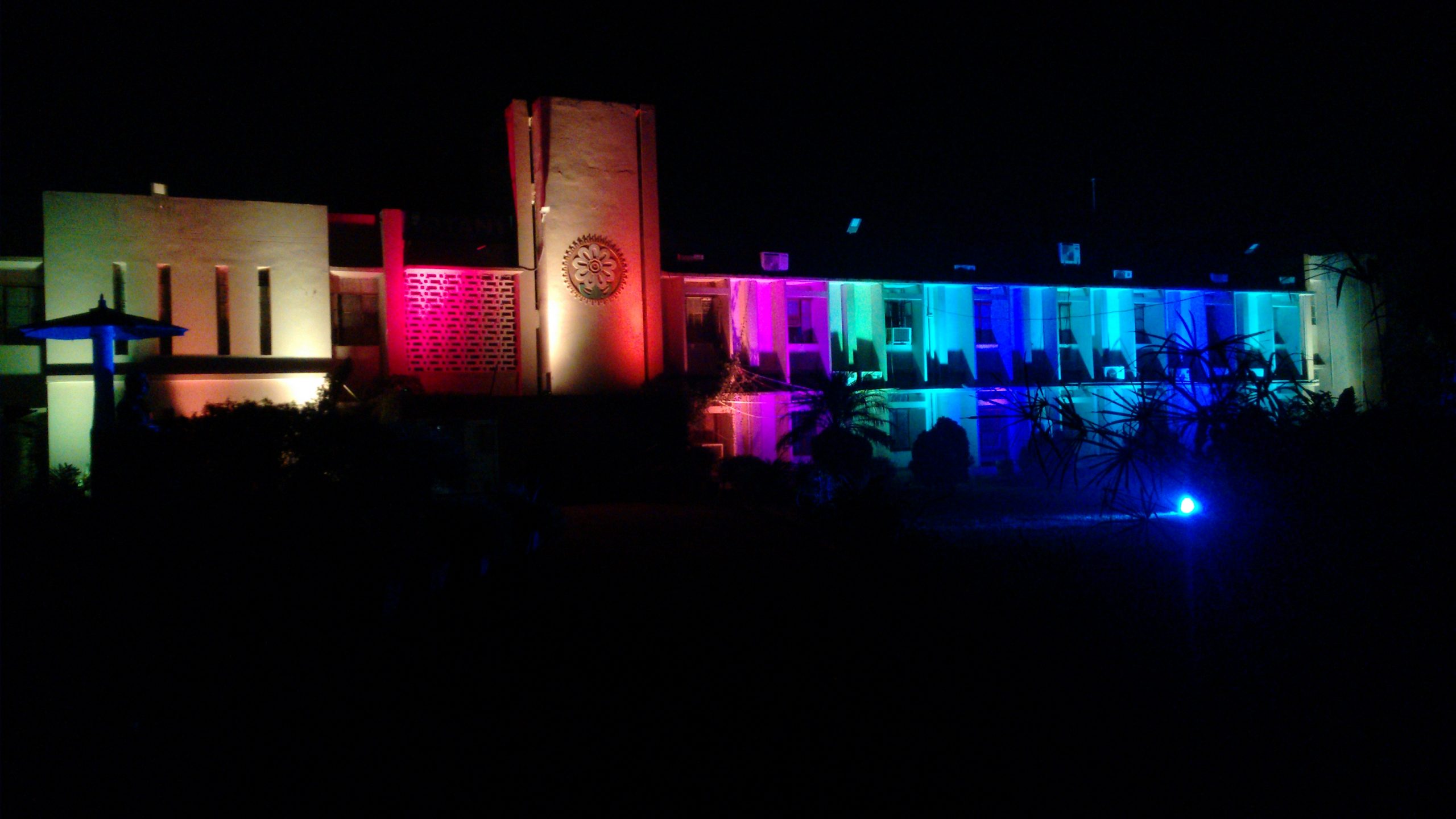
Established in 1969, the Department is recognized for excellence in teaching and research in major areas of Plant Science. It offers M. Sc. in Botany, Ph.D. in Botany, Microbiology & Environmental Science. Its curriculum engages foundational and emerging areas of botanical science, with theoretical background and practical approach. The Department puts forward proficiency in Biochemistry and Molecular Biology, Biotechnology and Plant Genetic Manipulation, Environmental Biotechnology and Microbial technology aligned with global advances in plant science research, emphasising the specificities of regional flora and ecosystems of Odisha. The Department also offers self-financing M.Sc. programmes in Applied Microbiology and Environmental Science.









abdas.uubot@gmail.com



| Sl.No. | Programme | Seats |
|---|---|---|
| 1 | MSc (Botany) | 32 |
| 2 | M. Sc. (Applied Microbiology) | 20 |
| 3 | M. Sc. (Environmental Science) | 20 |
| 4 | PhD (Botany) | 10 |
| 5 | PhD (Environmental Science) | 5 |
| 6 | PhD (Microbiology) | 5 |
Facilities:
The Department has well equipped laboratories with number of sophisticated equipment to carry out practical for M.Sc. students. Besides the general M.Sc. laboratories to carry out routine practical, the Department has several research laboratories including Cytogenetic and Molecular Biology, Plant Tissue and Organ Culture Facility, Plant Physiology and Biochemistry, Environmental Biology, Microbiology and one General laboratory, Green house and Net house facilities, Plant Tissue Culture Laboratory, Instrumentation facilities, etc., where Doctoral/Postdoctoral students, Scientists and Faculty members are actively engaged in cutting edge research in various fields of Biotechnology. Some of the facilities are as follows:
Botanical Garden:
The Department maintains a botanical garden since its inception. A treasure of plant wealth, conservatory of rare and endangered species, trees, shrubs, aquatic plant collection and vermicompost unit.
Museum / Herbarium:
The museum of the department of Botany is the showpiece for institution and the state as a whole, having varieties of exhibits such as herbarium specimen and seeds etc. At present approximately 10,000 herbarium specimens are available in the department, which are displayed for student of various school and colleges of the state and outside the state, parents, guardians and visitors of different corner of the country.
Research laboratories
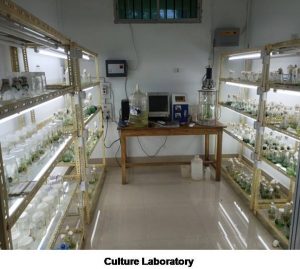
There are five specialized Research Laboratories such as Cytogenetic and Molecular Biology, Plant Tissue and Organ Culture Facility, Plant Physiology and Biochemistry, Environmental Biology, Microbiology and one General laboratory for the Research scholars and students.
Air Quality Monitoring Station (AQMS) and Automatic Weather Station (AWS)
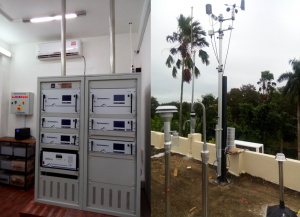
Rising pollution in cities not only brings down the quality of life and increases mortality and morbidity rate but also the transport of air pollutants from one region to another region has made it an international issue. Monitoring of air pollutants become very essential to understand and address various scientific and social issues. Recently, Utkal University become one of few universities in India to be part of prestigious national air pollution monitoring program of Ministry of Earth Sciences (MoES) by signing a MoU with Indian Institute of Tropical Metrology, Pune who is nodal research agency to execute above scientific program under the name “MAPAN“ (Monitoring of Air Pollutants and Network ). Under the above program, a sophisticated advance Air Quality Monitoring Station (AQMS) has been installed and operational since Diwali this year at Dept. of Botany (DoB) of Utkal University where the M.Sc. Environmental Science (SFC) program is functional. Air pollutants measured under this program are particulate matters (PM10 & PM2.5), Ozone (O3), Oxide of Nitrogen (NOX), Carbon Monoxide (CO), Carbon dioxide (CO2) etc. Apart from AQMS, there is a dedicated weather monitoring system (AWS) to link various meteorology parameters with air pollutants. The data generated could be used to address various environmental and social issues like impact of air pollution on health and eco-system, identification of source of pollutants through modelling, crop yield, microclimate of cities, and spatial-temporal/seasonal/long term trend of various atmospheric pollutants w.r.t weather. Dr. Saroj Kumar Sahu, UGC-Assistant Professor (Environmental Science) is in-charge of operation and development of this program at DoB, Utkal University.
Geographical Information System (GIS) Lab.
There is dedicated advance computer laboratory with advance Geographical Information System (GIS) based high computational facilities to handle the air pollution, remote sensing, emission and environmental data. Lab. has also Linux server to facilitate 3D Atmospheric chemical transport modelling studies.
Glass house facility
A fiber-glass house of 400 sq. ft. is there in the department which is used by the research scholar for maintaining the plants on pot cultures for experimental work.
Culture room
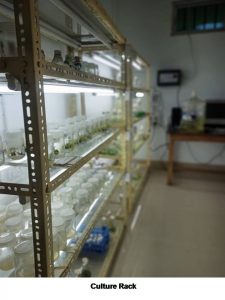
A separate culture room facility is there for aseptic culture of plant tissue, Cyanobacteria and algae.
Seminar library
Seminar Library of the department has 2838 nos. of books and journals for the use of students and faculties. It has e-granthalay software for easy access, issue of books and library automation.
Girls’ common room
About 88-90% of students of the department are girls. Therefore, department facilitates them by providing a furnished girls’ common room for their leisure time along with indoor game facilities.
First-Aid Room
To meet the unseen medical emergencies of the students during working hour, the department is having a separate First Aid room with a bed and first aid Box.
Computer laboratory
The department has a central computer laboratory with ten computers equipped to broadband LAN internet connection. It is for the access of students, Research Scholar and staffs of the department.
Student lounge with Wi-Fi facility
There is a student lounge of 15 sitting capacity with facilities of Newspaper, Magazines and free Wi Fi. This provides a platform for interaction of students of different semesters and different disciplines.
Biometry and CCTV surveillance
For general security of the department, it is facilitated with biometry CCTV surveillance.
RO- Drinking water facility
One RO drinking water and one cold drinking water facility is available in the department.
Student house
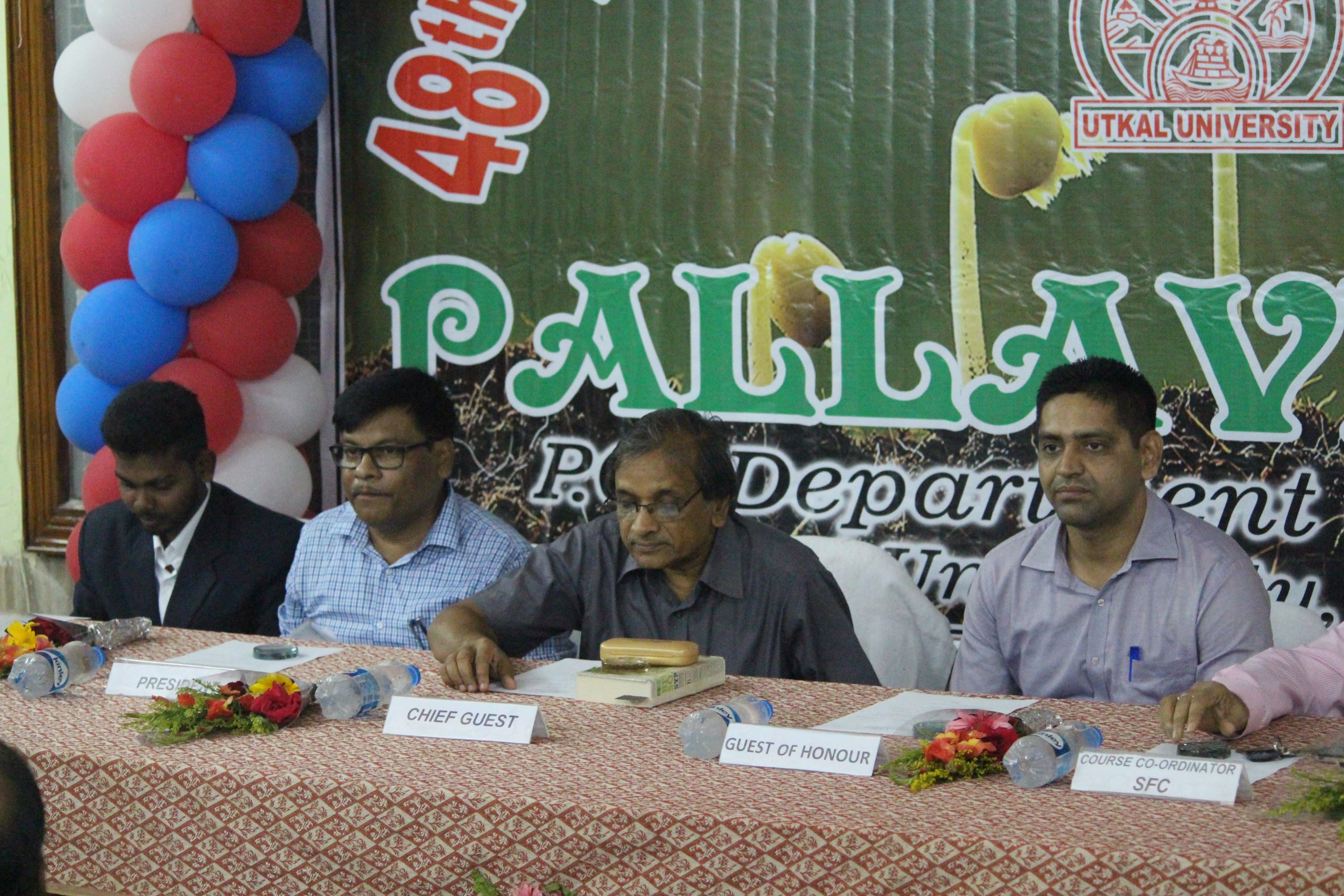
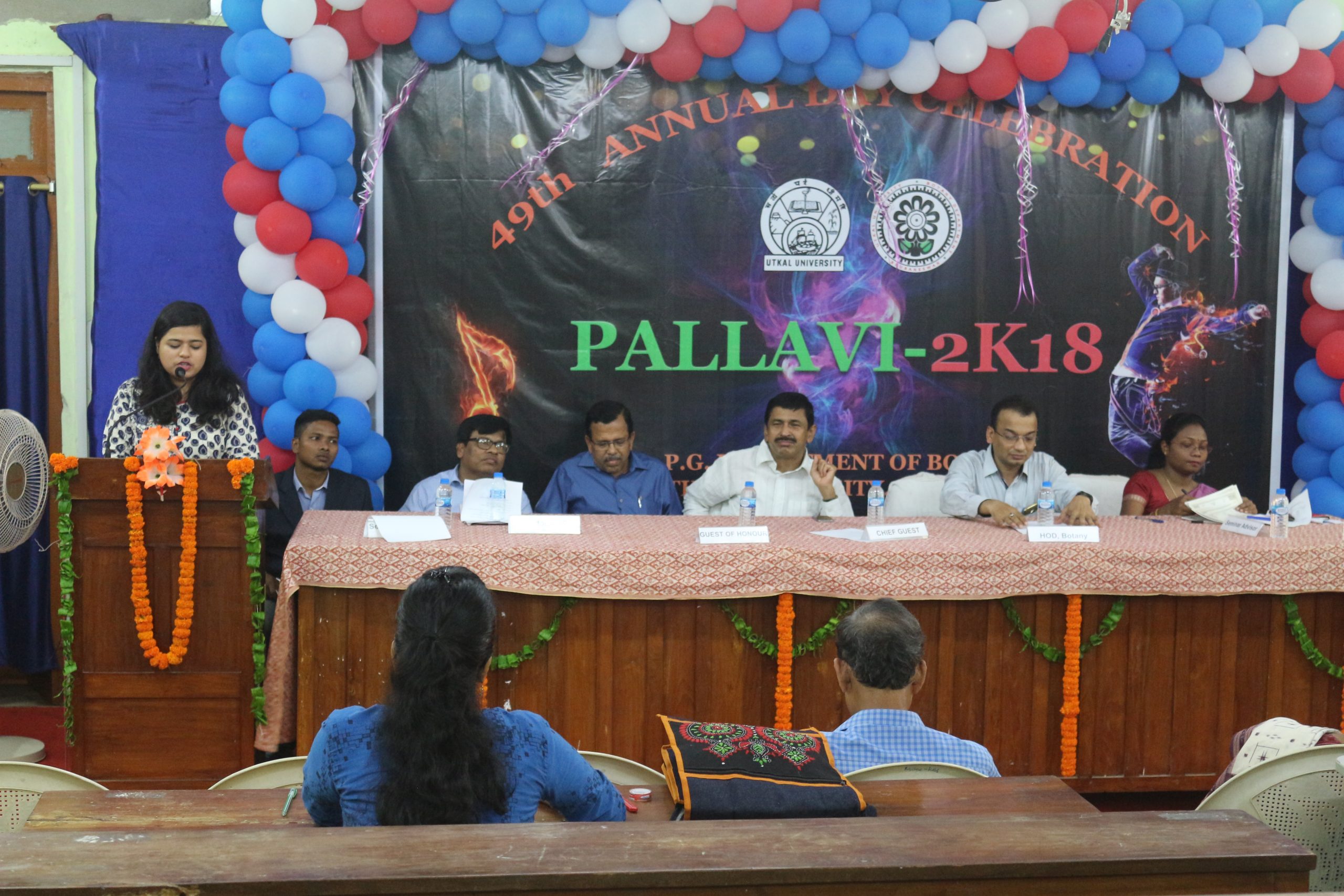
The department is having four student committees/ houses for smooth functioning of departmental activities since the time of establishment and they are named as Parijatak, Satadal, Pallavi, Madhupak by our founder professor and Head Prof. B. Padhi. Students are elected for each committee by the departmental students each year. Parijatak is the post of seminar secretary which conducts the weekend seminars for students and overall, in charge of all the departmental activities of the students up to annual function. Satadal committee takes care of the wall magazine up to date and informative for the students. Pallavi is given the responsibility of the entire cultural activities takes place in the department from time to time. and finally, the Madhupak secretary looks after the food arrangement and refreshment activities associated with each programme of the department.
Student seminar
Weekend seminars are being arranged by the students in every Saturday in the department lecture hall where the students of botany, microbiology, environmental science, research scholar deliver seminars on various topics related to their syllabus and current research topics. Sometimes invited lectures are also organized for the students as their enrichment and motivate programmers by eminent professors from different universities and Nobel orated from different fields.
Class room
There are three class rooms with ICT facility and three General Laboratories for students of MSc. Botany, Applied microbiology and Environmental Science.
Conference Hall
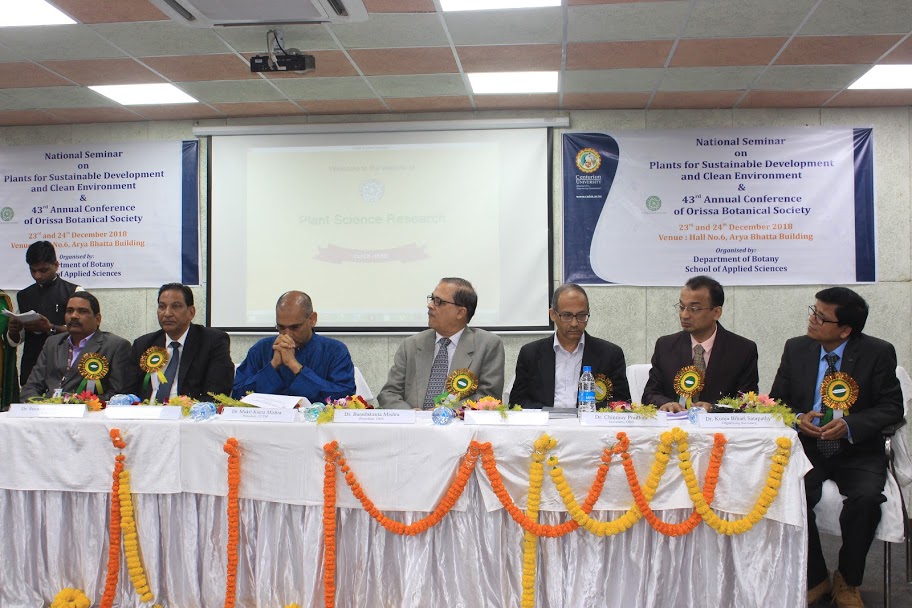
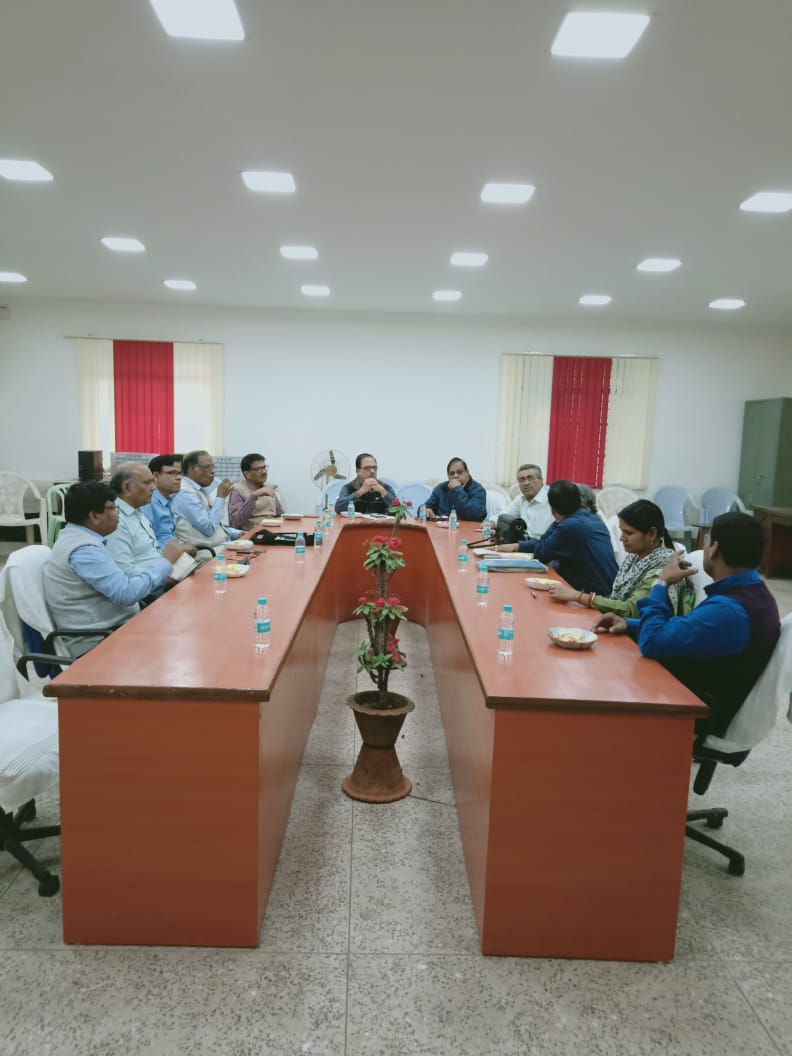
Department is having a conference hall of 1000 sq ft with a ‘U’ table and 50 sitting capacities equipped with interactive smart projector. The room is frequently used for Departmental meetings and Ph.D. seminars presentations.
Vermicompost
The department is having a vermicompost unit which is regularly supplied by biodegrading wastes and garden wastes of the department and further the compost is being used for the gardening purpose.
Major Equipment
| Sl. No. |
Equipment
|
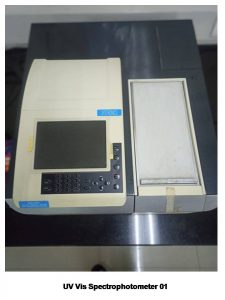
| 1. | UV-VIS spectrophotometer |
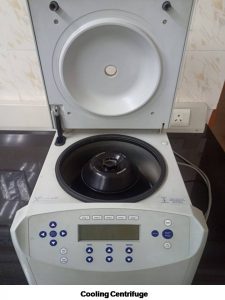
| 2. | High speed Cooling centrifuge |
| 3. | Water Distillation System |
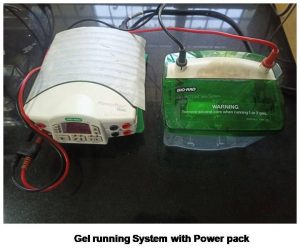
| 4. | Vertical and Horizontal gel electrophoresis System |
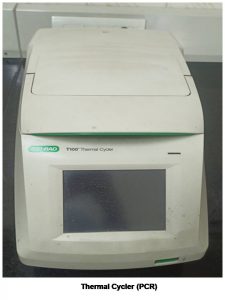
| 5. | Gradient PCR |
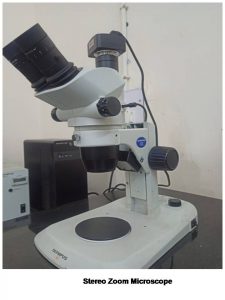
| 6. | Stereo Zoom Microscope |
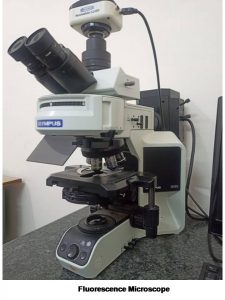
| 7. | Fluorescence microscope |
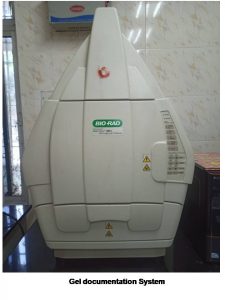
| 8. | Gel Documentation system |
| 9. | Atomic Absorption Spectrophotometer |
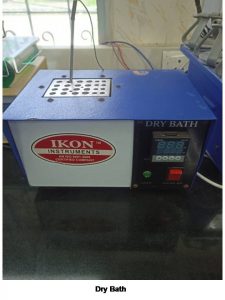
| 10 | Temperature Control Water Bath |
| 11 | Rotary Evaporator |
| 12. | Laminar Air Flow |
| 13. | Autoclave |
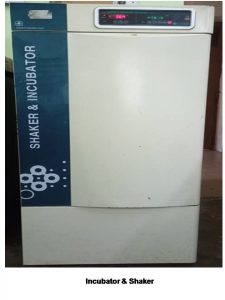
| 14. | Incubator |
| 15. | Plant Growth Chamber |
| 16. | Hot-Air Oven |
| 17. | Air Quality Monitoring System |
| 18. | Weather Monitoring System |
| 19. | GIS and modelling lab. |

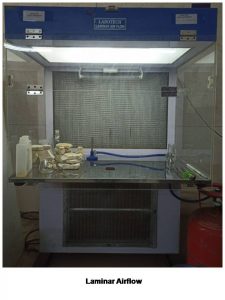
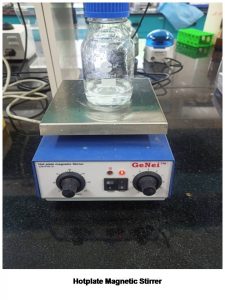
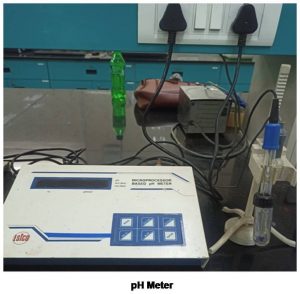
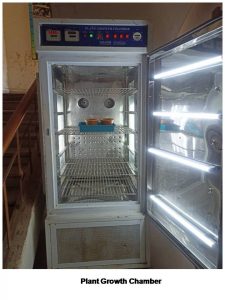
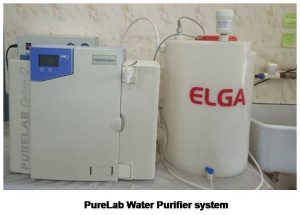
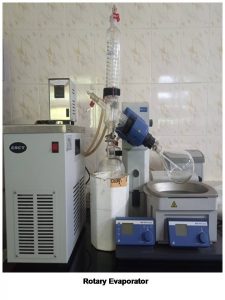
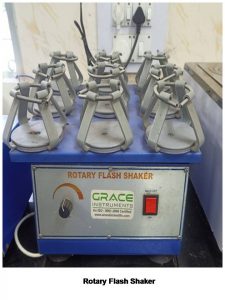
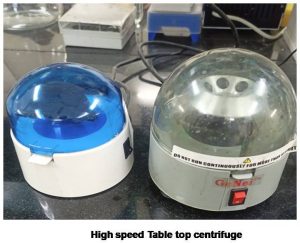
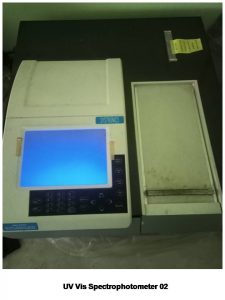
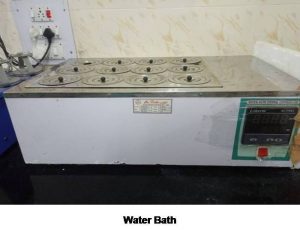
The Department extends full support and facility to young research Scholars engaged in work at different laboratories. The research groups in different specialized areas regularly publish in peer reviewed journal of repute in their field. A number of research projects funded by several private enterprises (NALCO, MONET, NINL, OPGC etc.). The Department has executing the DRS-SAP III Programme since 2013 and DST- FIST since 2015. The Department brings together past and present students on the alumni meet as an annual event on a statutory date i.e. the 3rd February every year and a news letter named “Sanjog” is brought out on the occasion by the Old Students Association. The Department has been functioning as the central secretariat of Orissa Botanical Society for last 40 years.
| Sl. No. | Academic Year | Student Name | NET / GATE / ICMR-JRF / SLET Qualification |
|---|---|---|---|
| 1 | 2020–2022 | Chinmayee Palei | CSIR-UGC-NET, GATE |
| 2 | 2020–2022 | Subrat Bag | CSIR-UGC-NET, GATE, SSB HED Govt. of Odisha |
| 3 | 2020–2022 | Niharika Pradhan | CSIR-UGC-NET |
| 4 | 2020–2022 | Budhibalabanta Bariha | CSIR-UGC-NET, GATE |
| 5 | 2020–2022 | Ashish Patnayak | CSIR-UGC-NET |
| 6 | 2020–2022 | Devirani Mallick | CSIR-UGC-NET |
| 7 | 2020–2022 | Jayashree Mohanty | CSIR-UGC-NET |
| 8 | 2020–2022 | Aniruddha Nayak | CSIR-UGC-NET |
| 9 | 2020–2022 | Anita Sahoo | CSIR-UGC-NET, GATE |
| 10 | 2021–2023 | Chandan Sahu | GATE and ICMR-JRF |
| 11 | 2021–2023 | Dharmesh Kumar Mohanty | CSIR NET-LS, GATE, MRFT |
| 12 | 2021–2023 | Sumitra Das | CSIR-UGC-NET |
| 13 | 2021–2023 | Dibyaswini Jena | CSIR-UGC-NET, GATE |
| 14 | 2021–2023 | Pratibha Bal | GATE |
| 15 | 2021–2023 | Abhipsa Pathak | CSIR-UGC-NET, GATE |
| 16 | 2022–2024 | Bibhu Prasad Behera | CSIR-UGC-NET, GATE |
| 17 | 2022–2024 | Shubhamita Nayak | CSIR-UGC-NET, GATE |
| 18 | 2022–2024 | Smrutish Rath | CSIR-UGC-NET, GATE |
| 19 | 2022–2024 | Ranu Behera | CSIR-UGC-NET, GATE |
| 20 | 2022–2024 | Madhusmita Biswal | CSIR-UGC-NET, GATE |
| 21 | 2022–2024 | Priyanka Maharana | CSIR-UGC-NET, GATE |
| 22 | 2023–2025 | Tanmayee Behera | CSIR-UGC-NET, GATE |
| 23 | 2023–2025 | Shiba Prasad Behera | CSIR-UGC-NET, GATE |
| 24 | 2023–2025 | Alok Pradhan | CSIR-UGC-NET, GATE |
| 25 | 2023–2025 | Subhrakanta Parida | CSIR-UGC-NET, GATE |
| 26 | 2023–2025 | Kranti Bijayeeni Pattnayak | CSIR-UGC-NET, GATE |
| 27 | 2023–2025 | Chinmayee Swain | CSIR-UGC-NET, GATE |
| 28 | 2023–2025 | Sanghamitra Kishan | CSIR-UGC-NET |
| 29 | 2023–2025 | Monalisha Routray | CSIR-UGC-NET, GATE |
| 30 | 2023–2025 | Ranjit Kumar Swain | GATE |
| 31 | 2023–2025 | Subham Sahoo | CSIR-UGC-NET |
| Sl. No. | Name of Student | Programme Studied | Nature of Achievement | Year |
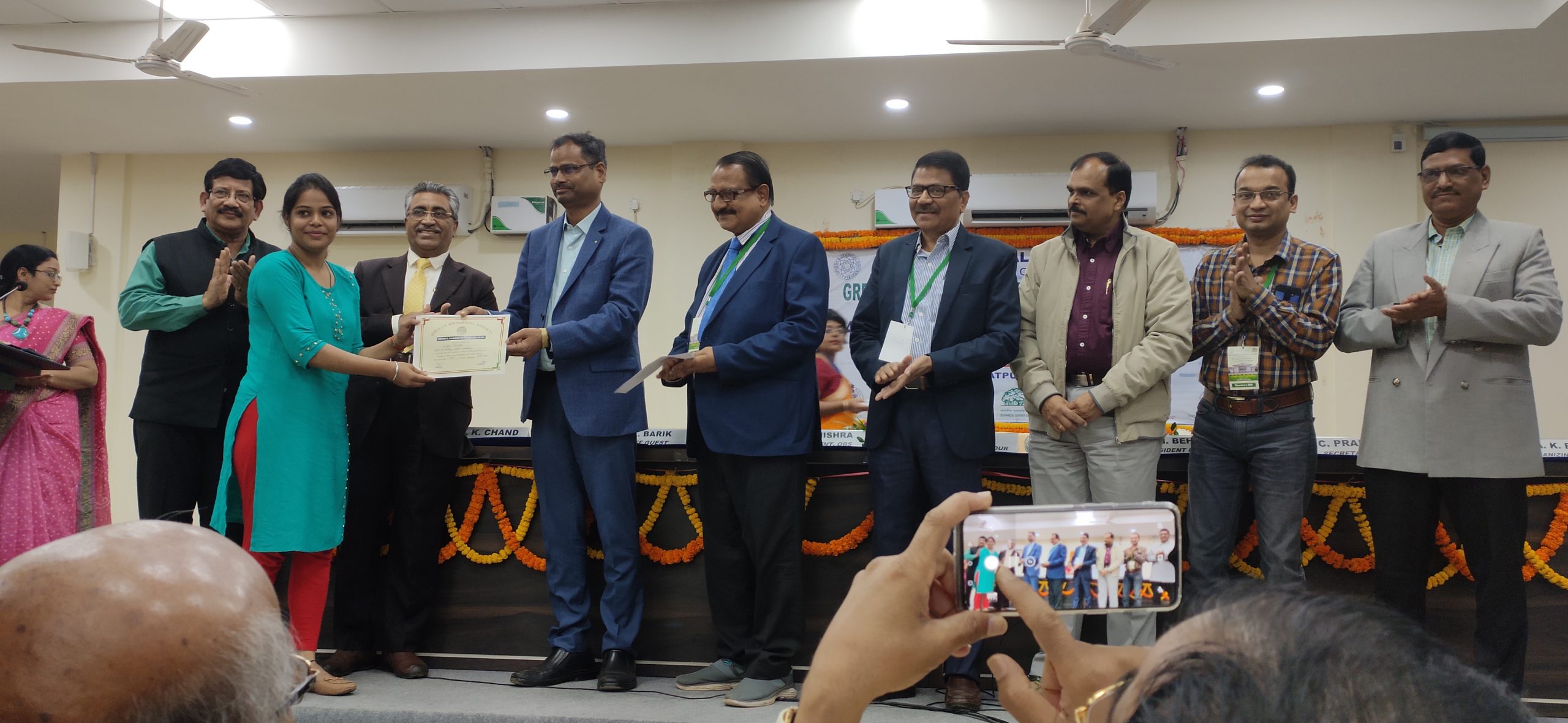
| 1 | Swarnalata Tripathy | Research Scholar | 1ST PRIZE-National Seminar on Emerging Trends of Biotechnology and Crop Improvement, R.D.Women’s University | 2017 |
| 2 | Sadaf Tanweer | Research Scholar | Research Scholars’ Poster Presentation: `VISHLESHAN’ | 2019 |
| 3 | Swarnalata Tripathy | Research Scholar | Research Scholars’ Poster Presentation: `VISHLESHAN’ | 2019 |
| 4 | Subrat Kumar Dehury | Research Scholar | Best Poster Presentation | 2019 |
| 5 | Sadaf Tanweer | Research Scholar | Sorojini G. Panigrahi Young Scientist award | 2020 |
| 6 | Sadaf Tanweer | Research Scholar | Best Poster Presentation | 2020 |
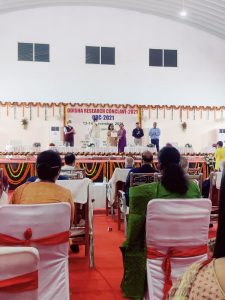
| 7 | Swarnalata Tripathy | Research Scholar | Poster Paper Award-ODISHA RESEARCH CONCLAVE | 2021 |
STUDENT AWARD AND ACHIEVEMENT
| SL NO | NAME OF THE STUDENT | PROGRAMME STUDIED | NATURE OF ACHIEVEMENT | YEAR |
| 1 | Sanskruti Parida | M.Sc | ORAL PRESENTATION IN Odisha Botanical Society | 2018 |
| 2 | Poojarin Samal | M.Sc | Oral Presentation among PG students | 2020 |
Faculty Awards / Achievements :
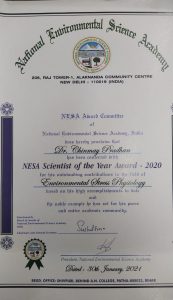
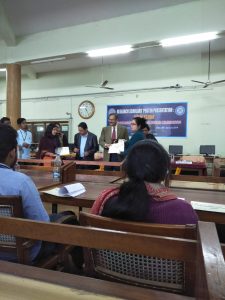
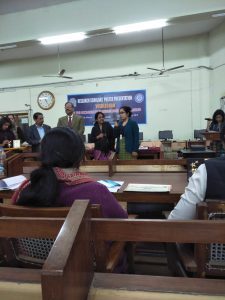
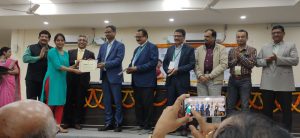
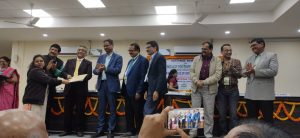
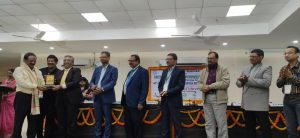
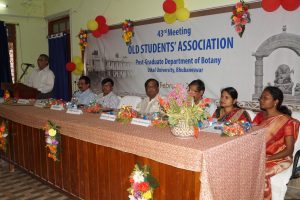
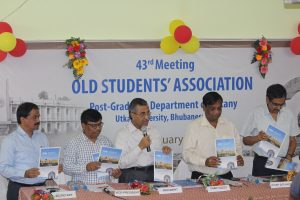
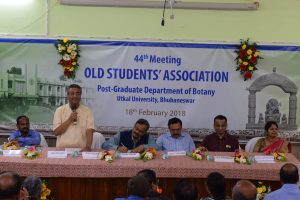
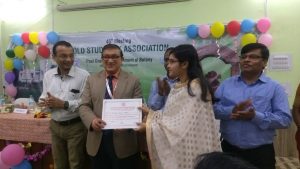
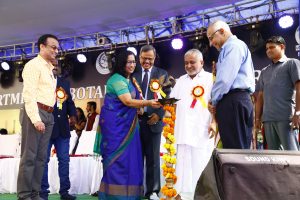
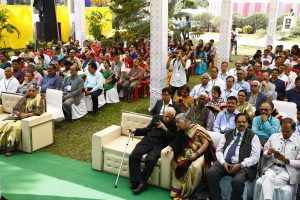
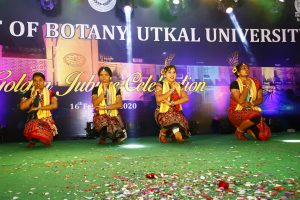
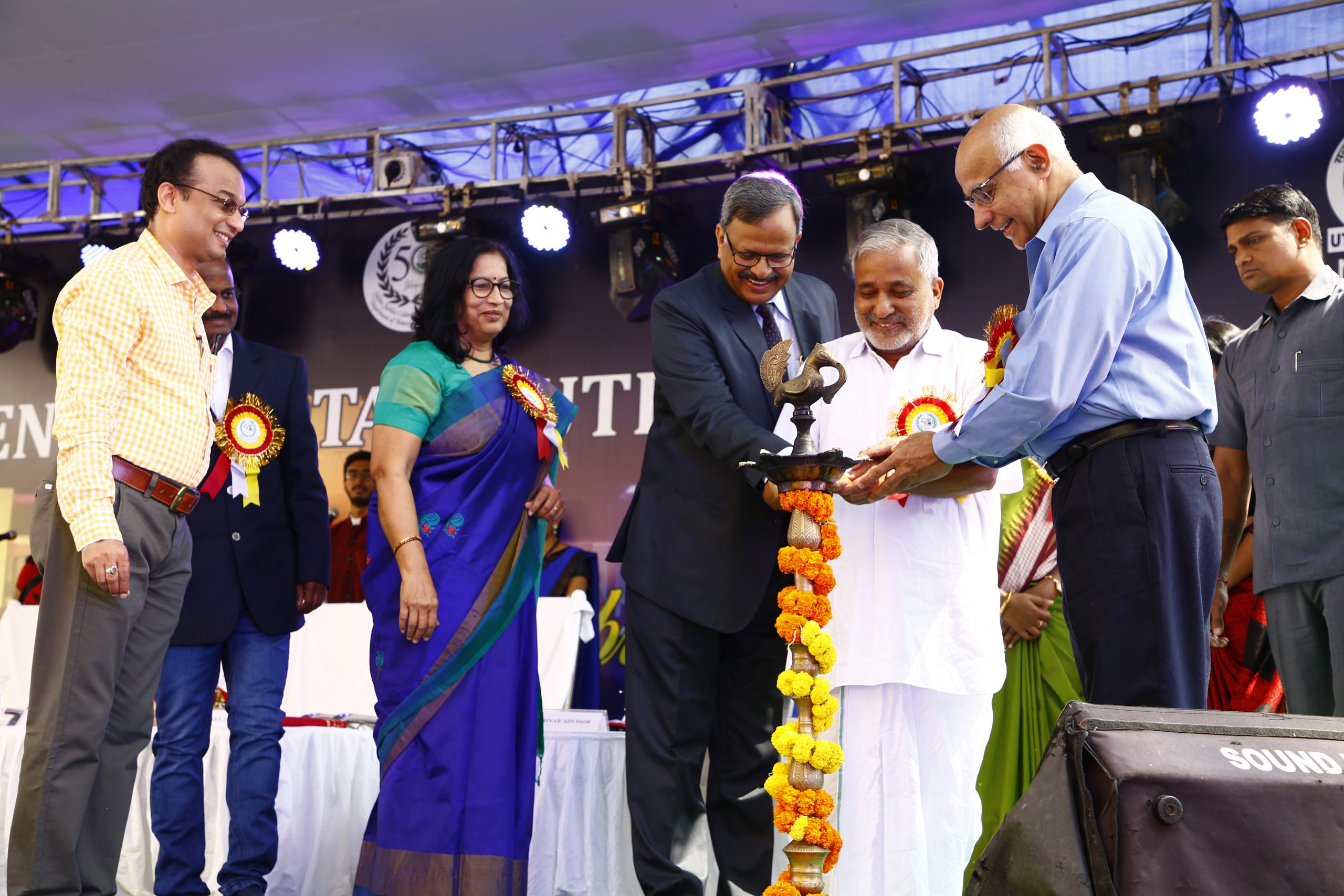
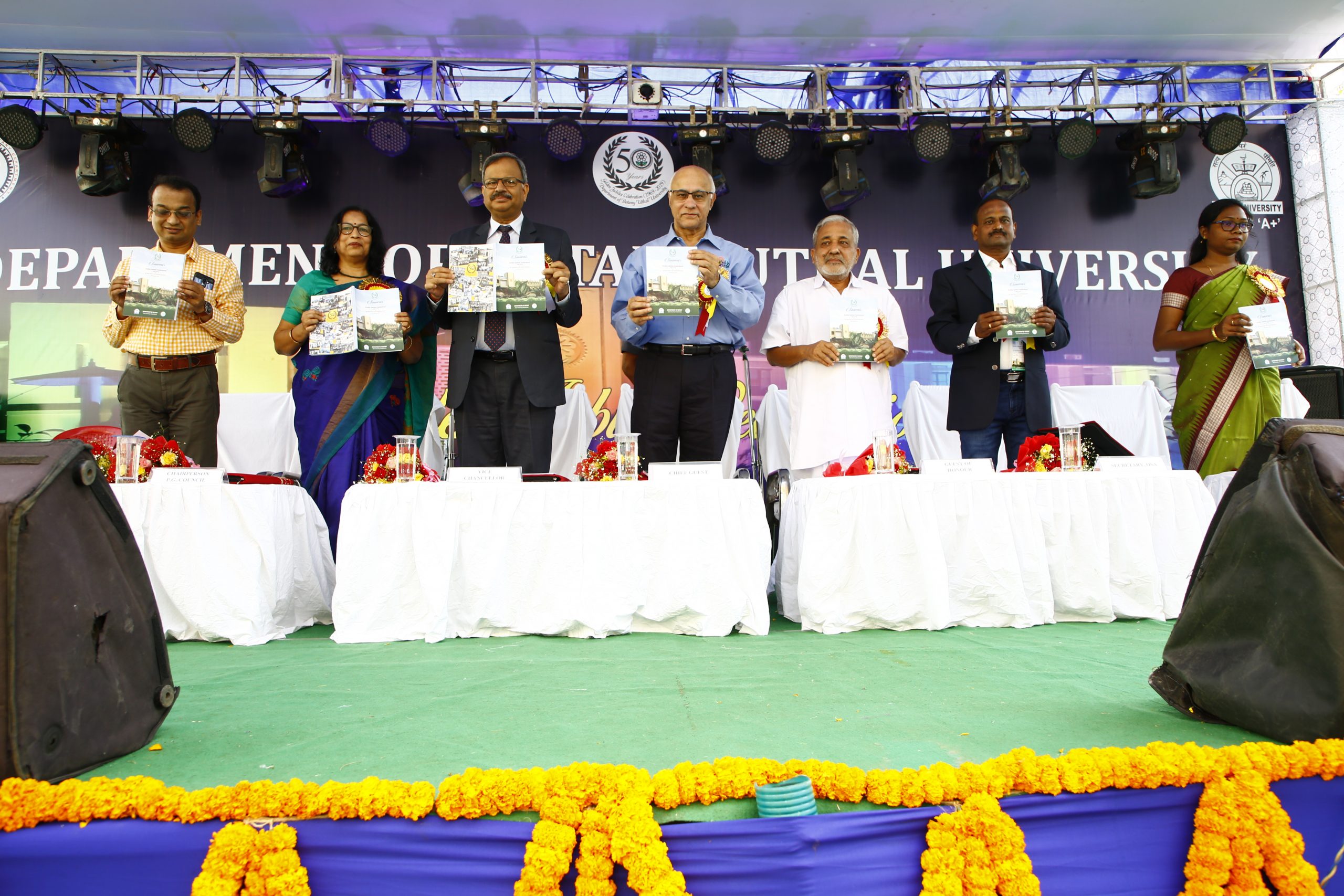
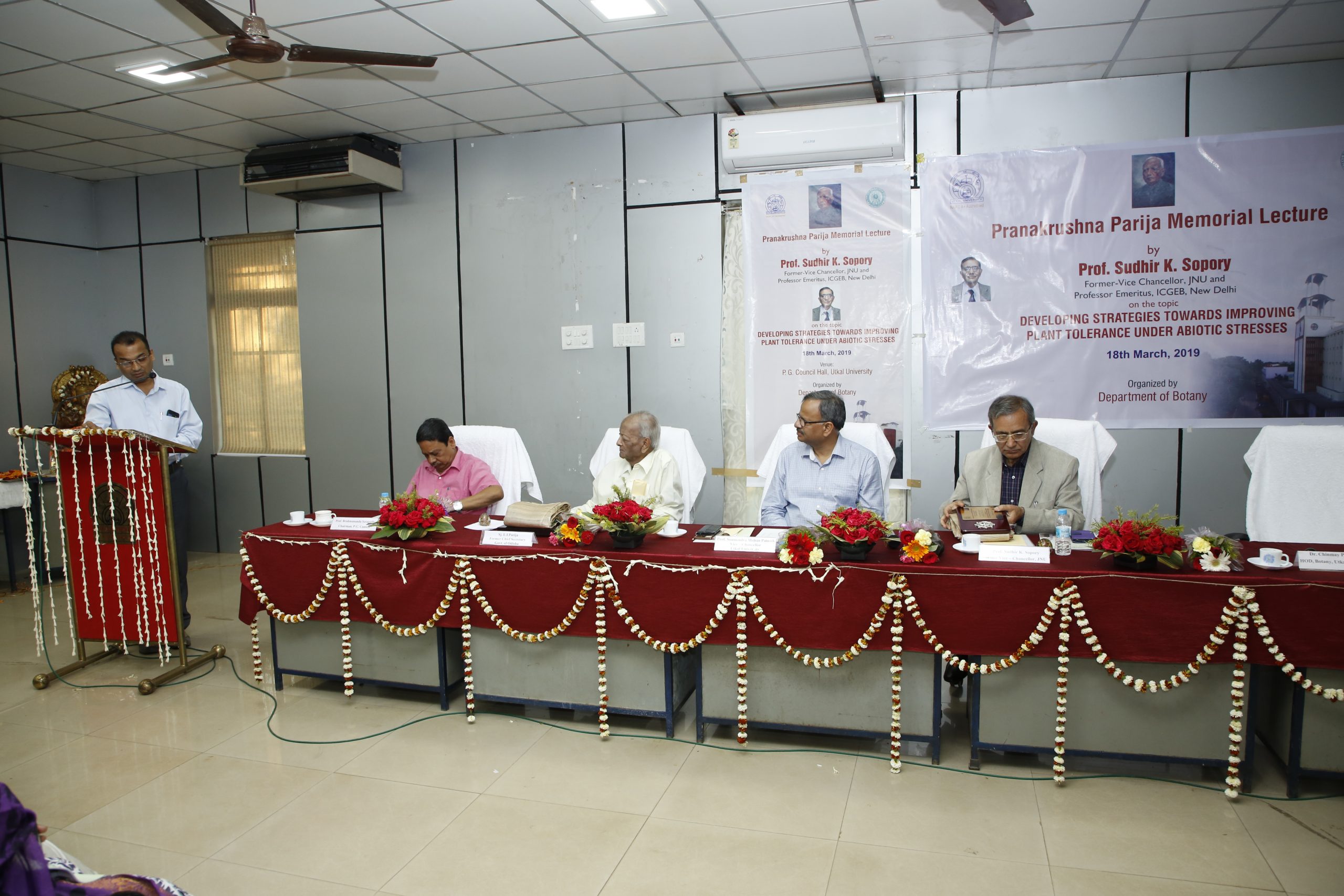
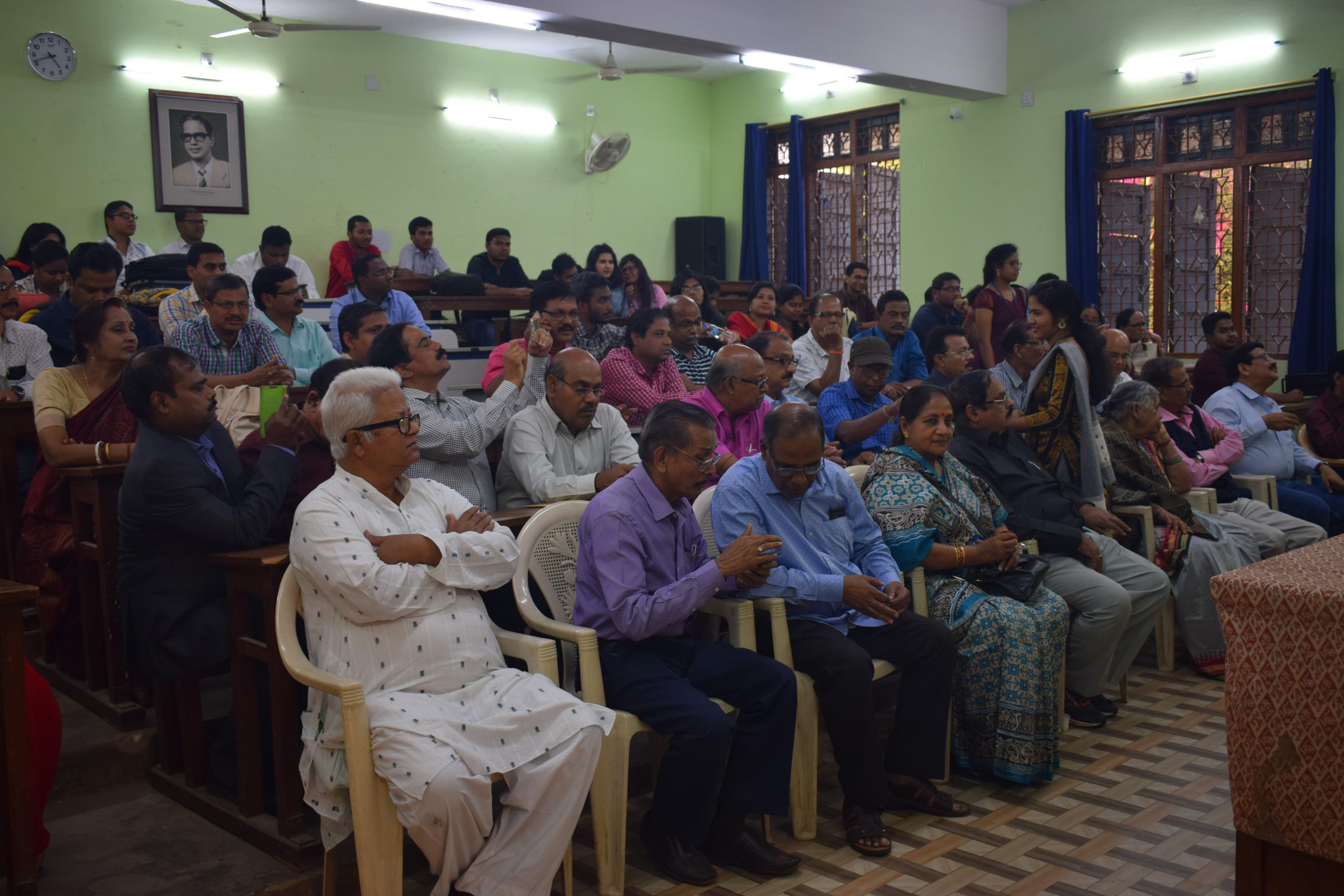
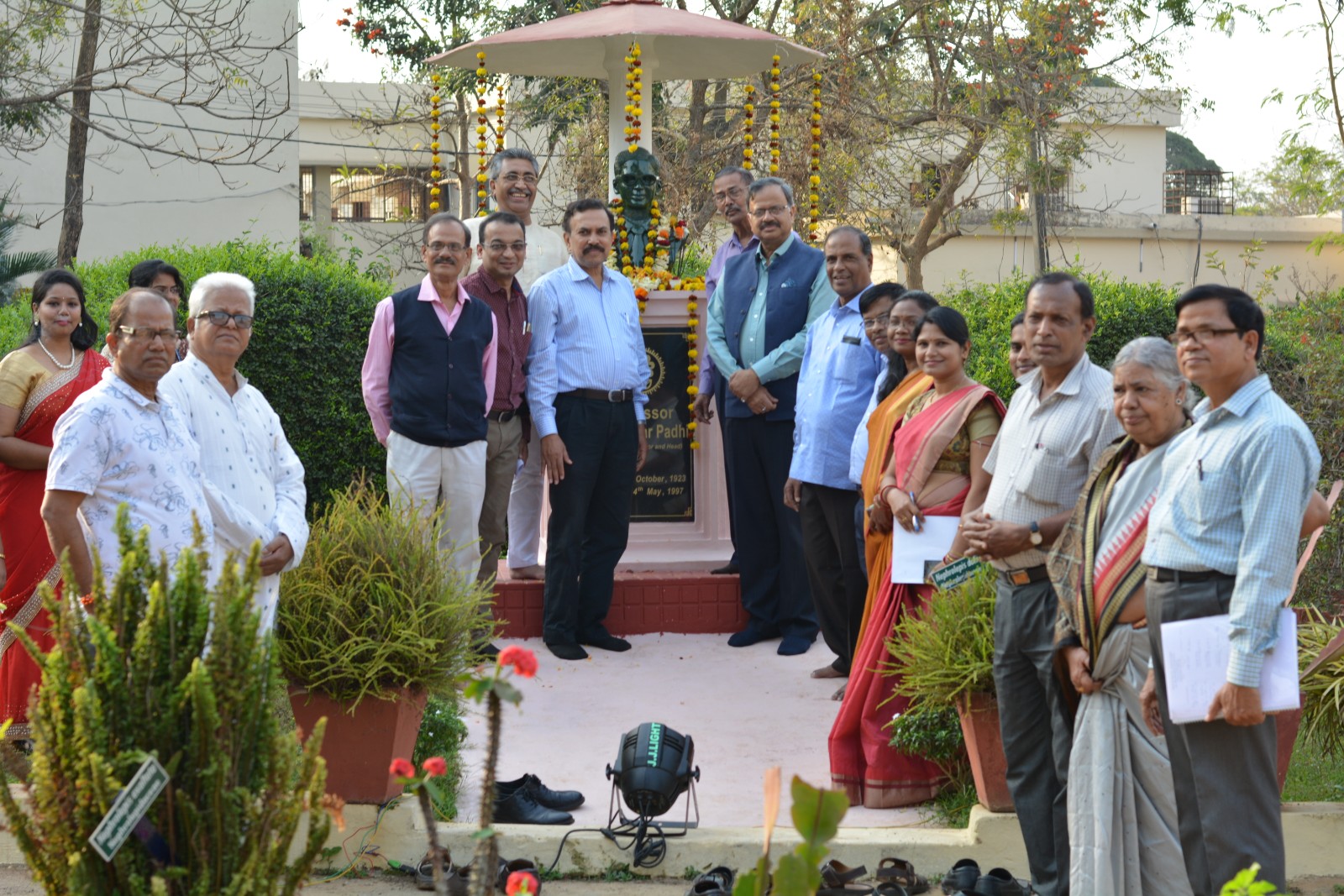
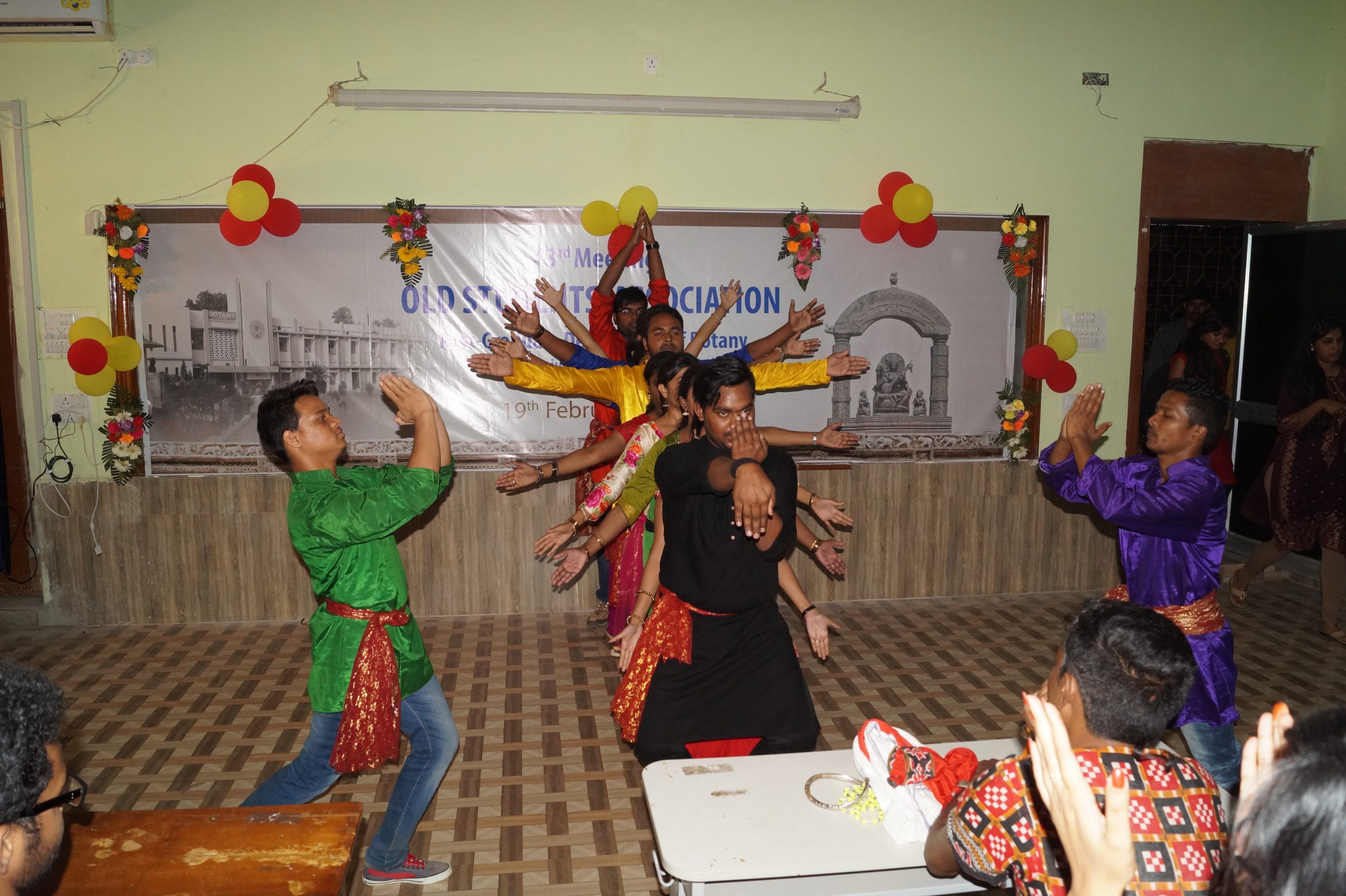
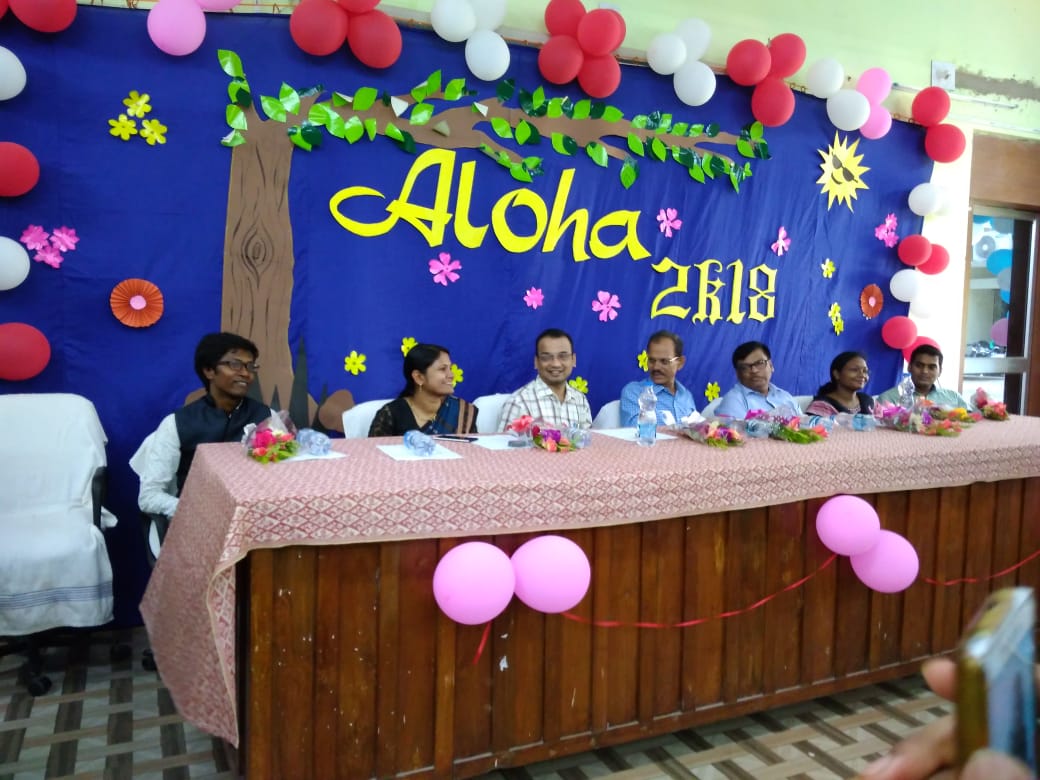
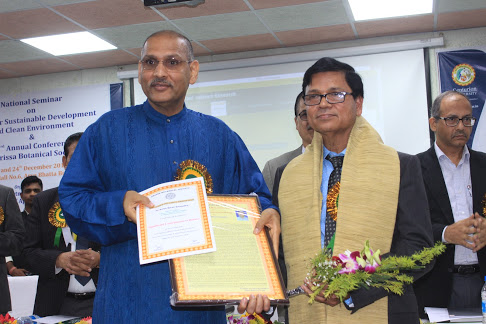
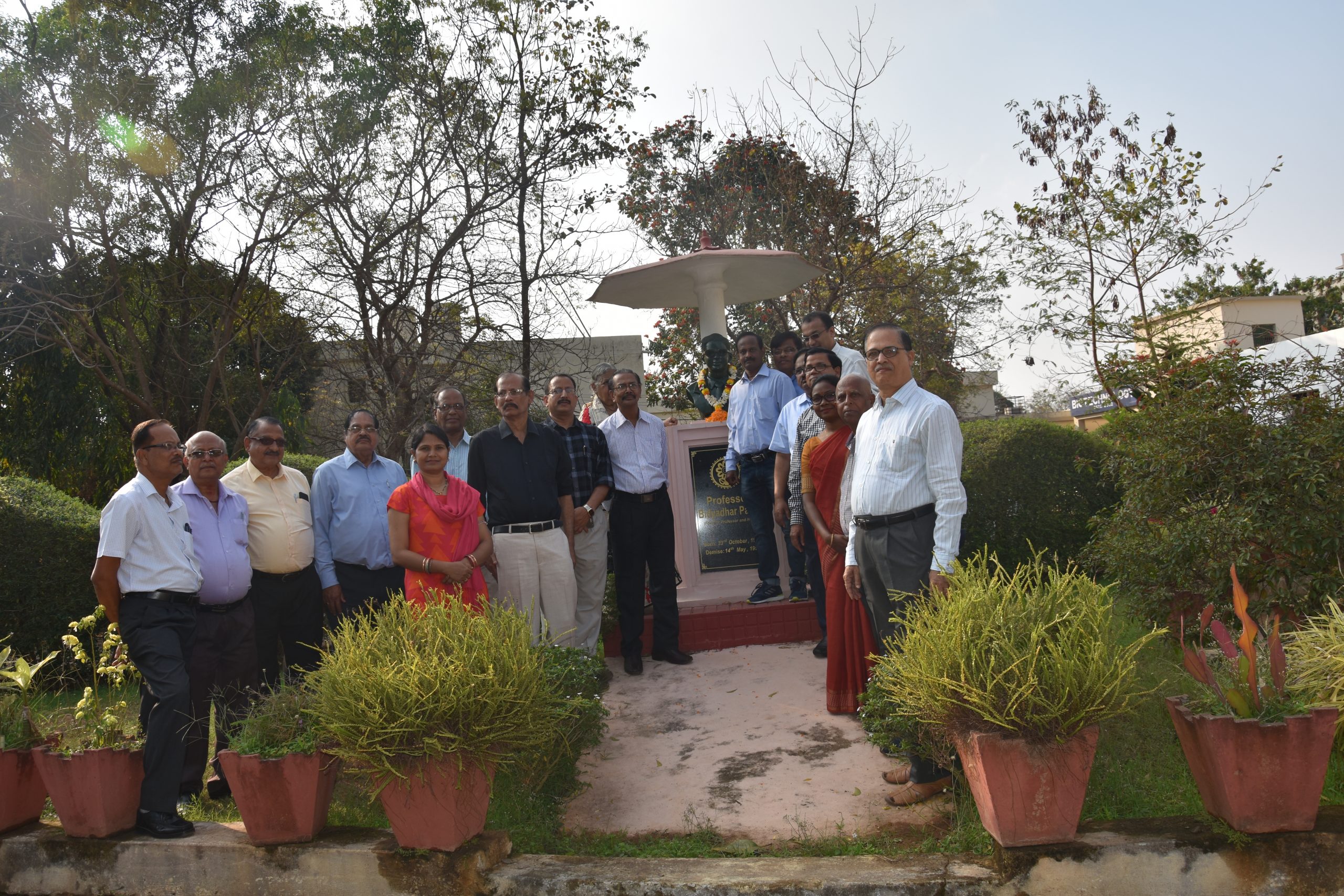
There is an alumini association in the name of “Old Student Association, P.G Dept. Of Botany, Utkal University” with Regd. No. 7140-108 of 1996-1997. The OSA of the Department was initiated in 1974 and since then functioning regularly. The annual meet of the association is held on the statuary date i.e. 3rd Sunday of February every year in which personal exchange of thoughts and experiences, release of the news letter ‘SANJOG’, presentation awards, cultural programme followed by a grand dinner. The alumni association conduct quiz, debate, essay, group discussion, face the interview competition, seminar paper presentation among the students every year to train and groom them for national level competition. It also organizes Prof. S.N Pattnaik memorial lecture on 5th September by inviting distinguished speakers from all over India. Alumni association of the department has contributed funds for the development of Prof. B. Padhi, founder Head of the Botany department, in the department garden premises. Department also gives Smt. Sarojini G. Panigrahi Memorial Award in the memory of Late Smt. Sarojini Panigrahi out of a generous contribution to the OSA by Late Dr. GopinathPanigrahi, former joint director, Botanical survey of India. Another new award namely “Narendra Pratibha Samman” has been instituted by Sri Manik Kumar Sinha, a First batch student of this Department and an active member of OSA in the memory of his deceased parents. This award is given to the best Student adjudged on the basis of all-round activities in the Department.
Notable Alumni
| Sl. No. | Name | Designation |
|---|---|---|
| 1 | Late Prof. S. N. Patnaik | Former UGC Emeritus Professor |
| 2 | Prof. B. C. Tripathy | Former Vice Chancellor, Ravenshaw University, Odisha |
| 3 | Late Prof. S. P. Rath | Former Vice Chancellor, MSCBD University, Odisha |
| 4 | Prof. R. C. Mohanty | Former UGC/CSIR Emeritus Professor |
| 5 | Prof. H. K. Patra | Former UGC/CSIR Emeritus Professor |
| 6 | Prof. S. P. Adhikari | Former Vice Chancellor, FM University, Odisha |
| 7 | Prof. M. Kar | Former UGC Emeritus Professor |
| 8 | Prof. P. K. Chand | Former Vice Chancellor, MSCBD University, Odisha |
| 9 | Prof. A. N. Mishra | Former Vice Chancellor, Khalikote University, Odisha |
| 10 | Prof. U. B. Mohapatra | Former Vice Chancellor, Rajendra University, Bolangir, Odisha |
| 11 | Prof. S. L. Sahoo | Former DBT, Government of Odisha Emeritus Professor |
List of the distinguished alumni of the Department:
“Sanjog”: The Goodwill Link
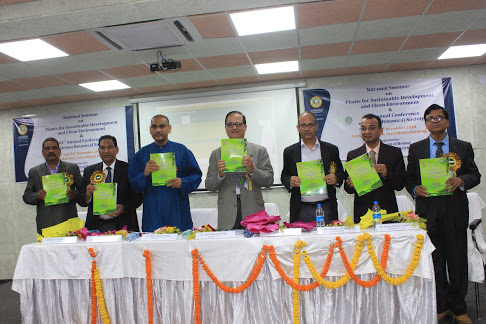
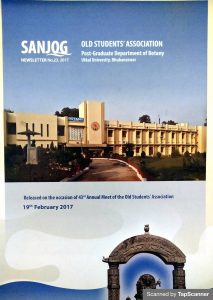
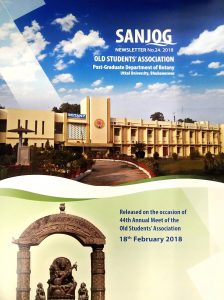
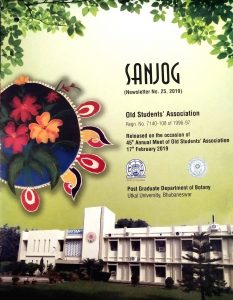
The association of the Botany alumni of Utkal University named as the “Old Students’ Association (OSA)” is the oldest in the Vani Vihar campus, which was formed in the year 1974 and subsequently became officially registered under the Societies Registration Act (No. XXI of 1860), Bhubaneswar during 1996-97. Over the past years, “Sanjog, the official publication of the OSA, has been making sustained efforts to connect the alumni members to their alma mater.
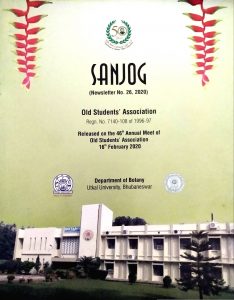
Annual OSA meet
| Annual meet | Date | No. of participants |
| 43rd | 19th February,2017 | 117 |
| 44th | 18th February,2018 | 132 |
| 45th | 17th February, 2019 | 150 |
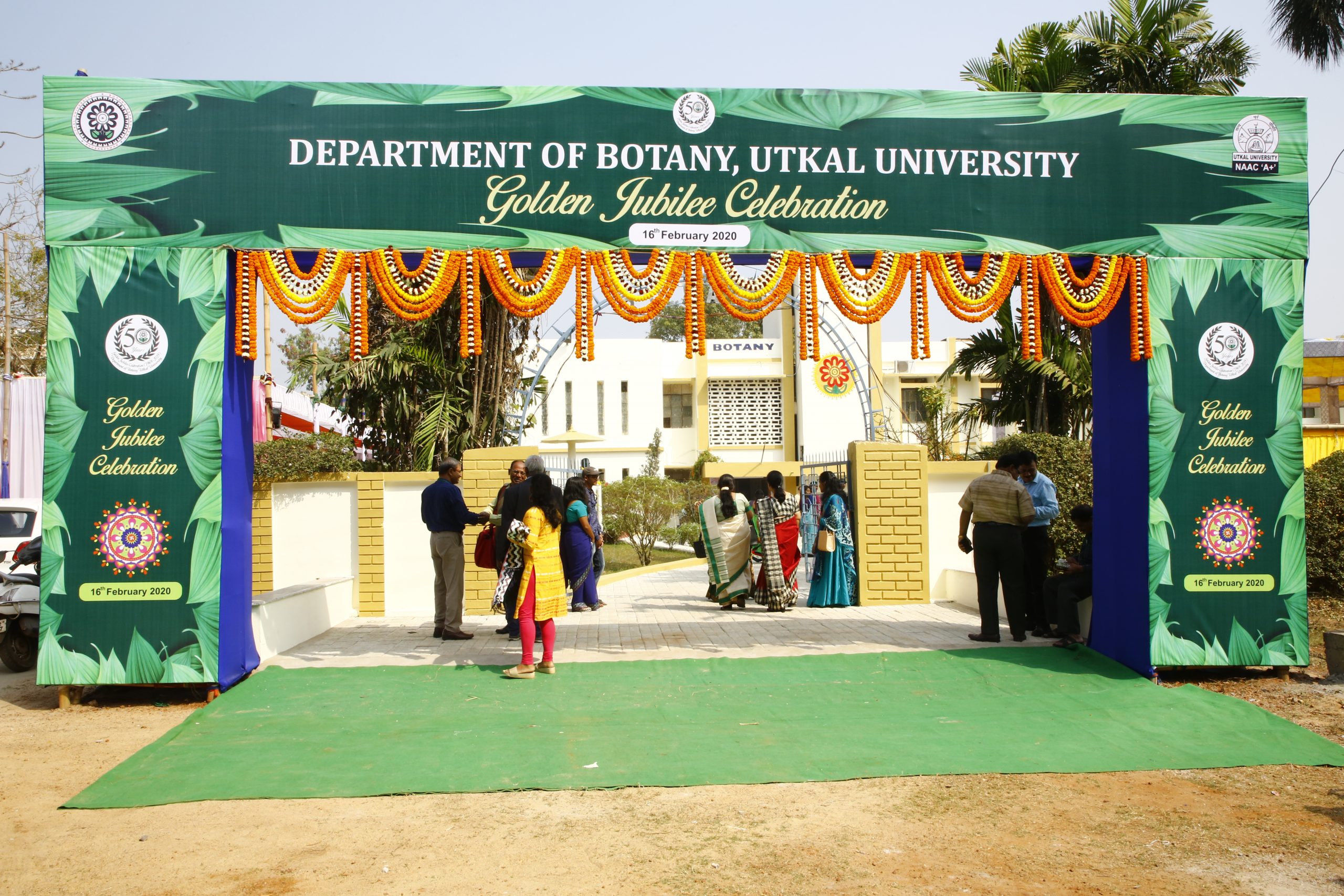
| 46th | 16th February, 2020 | 284 |
Life members of OSA 2017-2022:
This association is 48th years old association in Utkal University having about 1398 life members.