

Utkal University
Bhubaneswar, Odisha
Bhubaneswar, Odisha
ଉତ୍କଳ ବିଶ୍ୱବିଦ୍ୟାଳୟ
ଭୁବନେଶ୍ୱର, ଓଡ଼ିଶା
ଭୁବନେଶ୍ୱର, ଓଡ଼ିଶା
- About Us
-
-
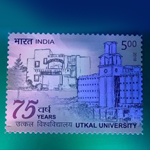
POSTAGE STAMP
UNIVERSITY LOGO

UNIVERSITY SONG

-
-

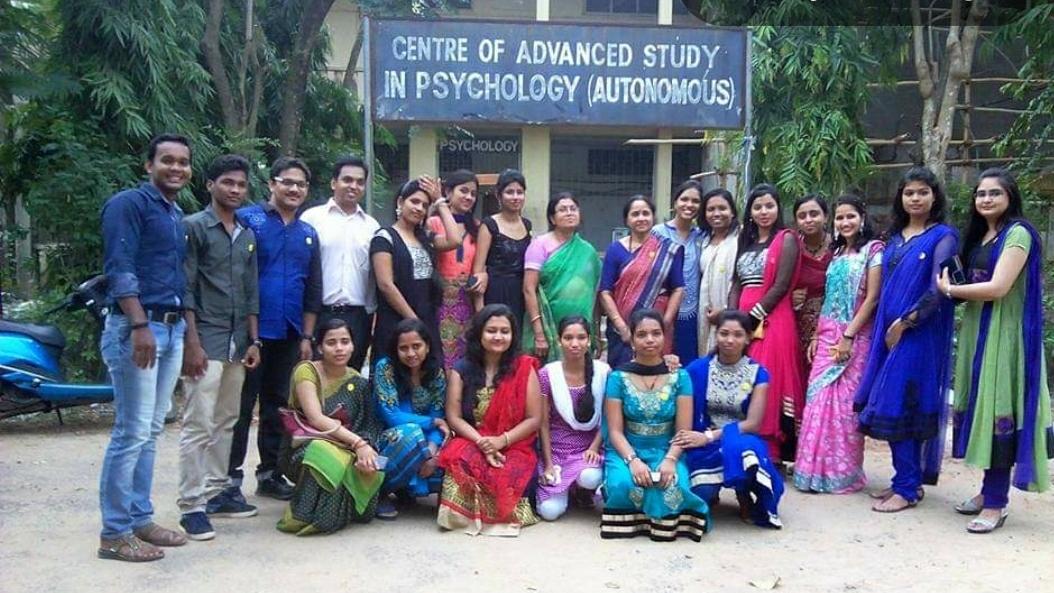
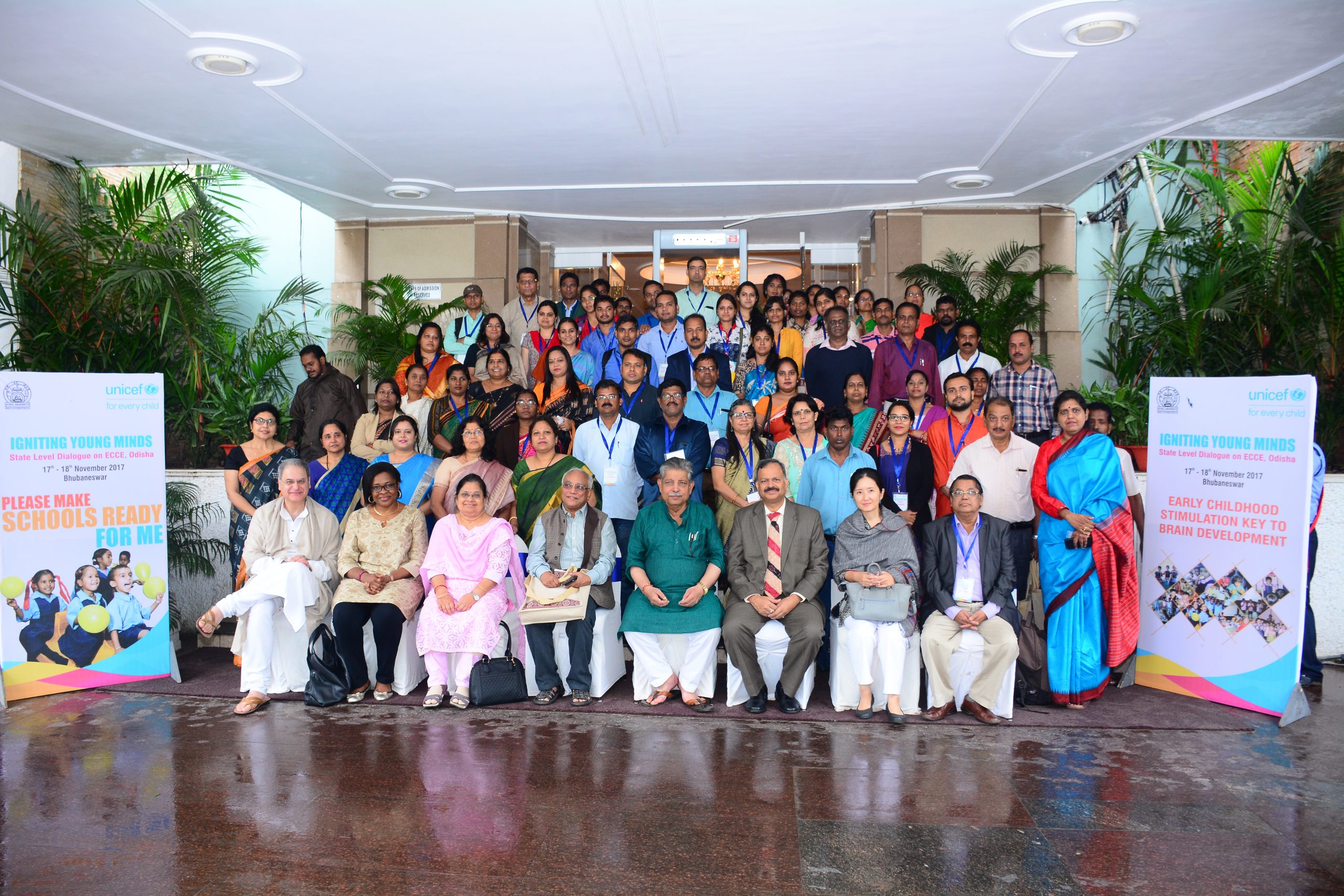
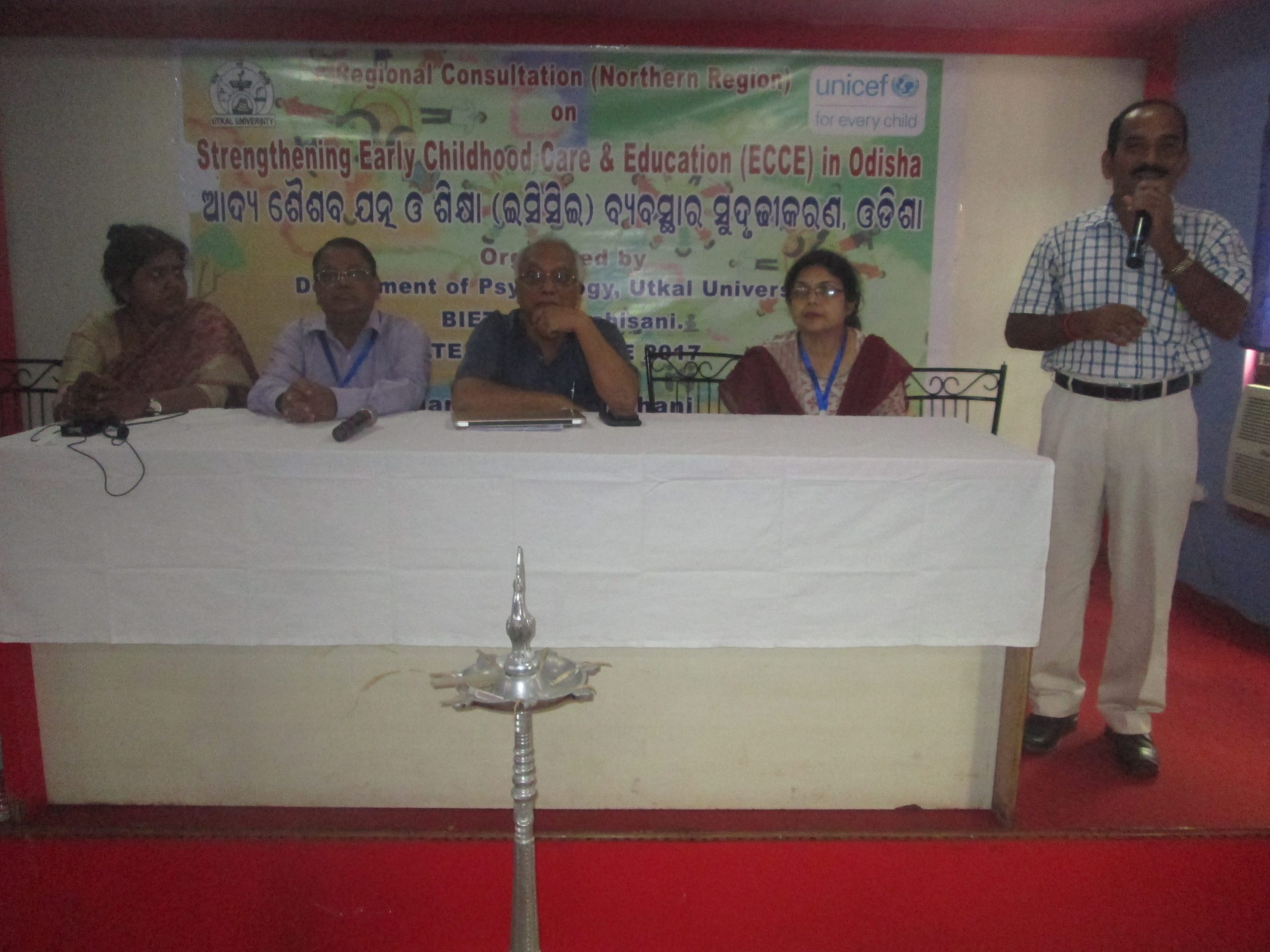
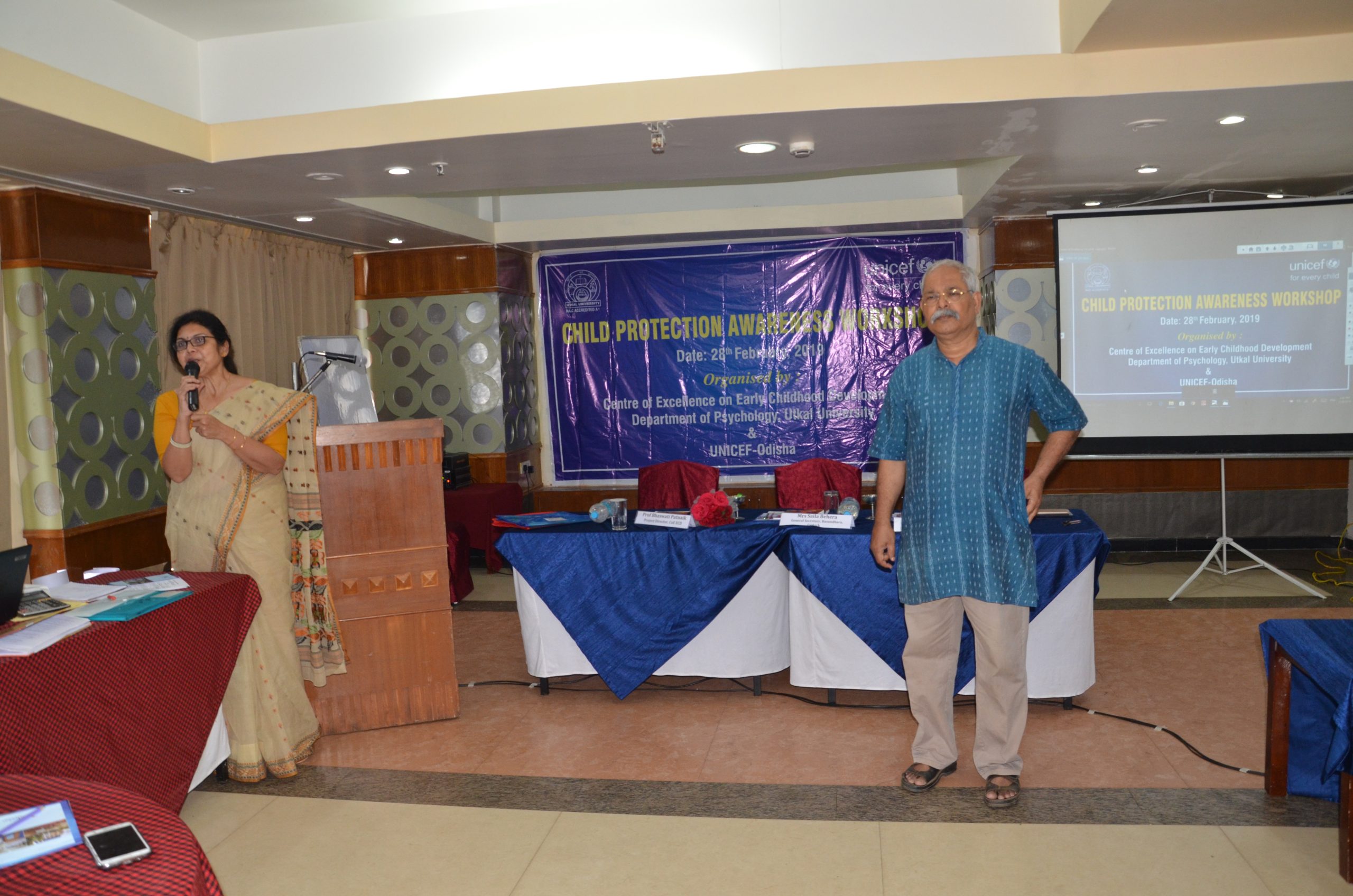
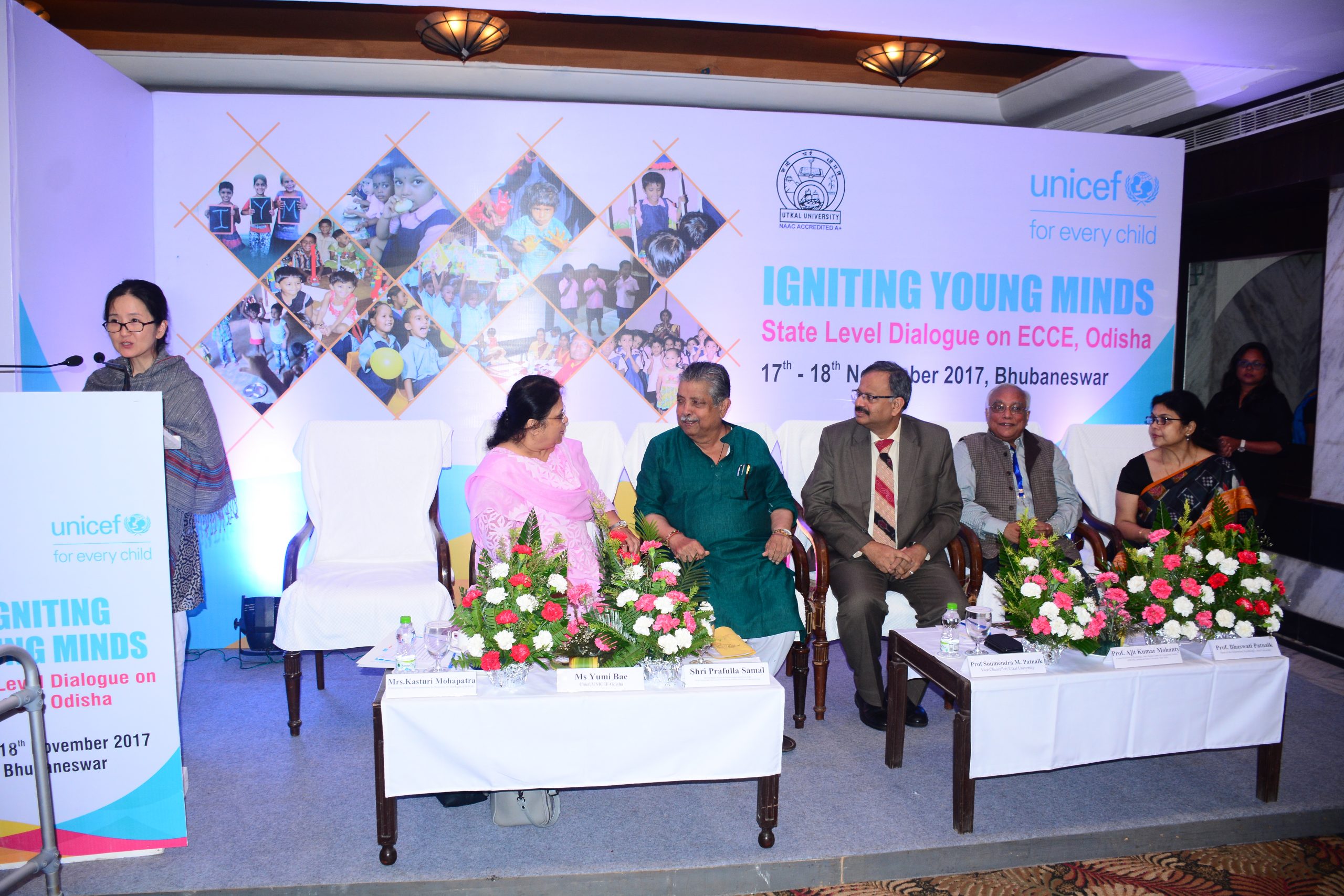
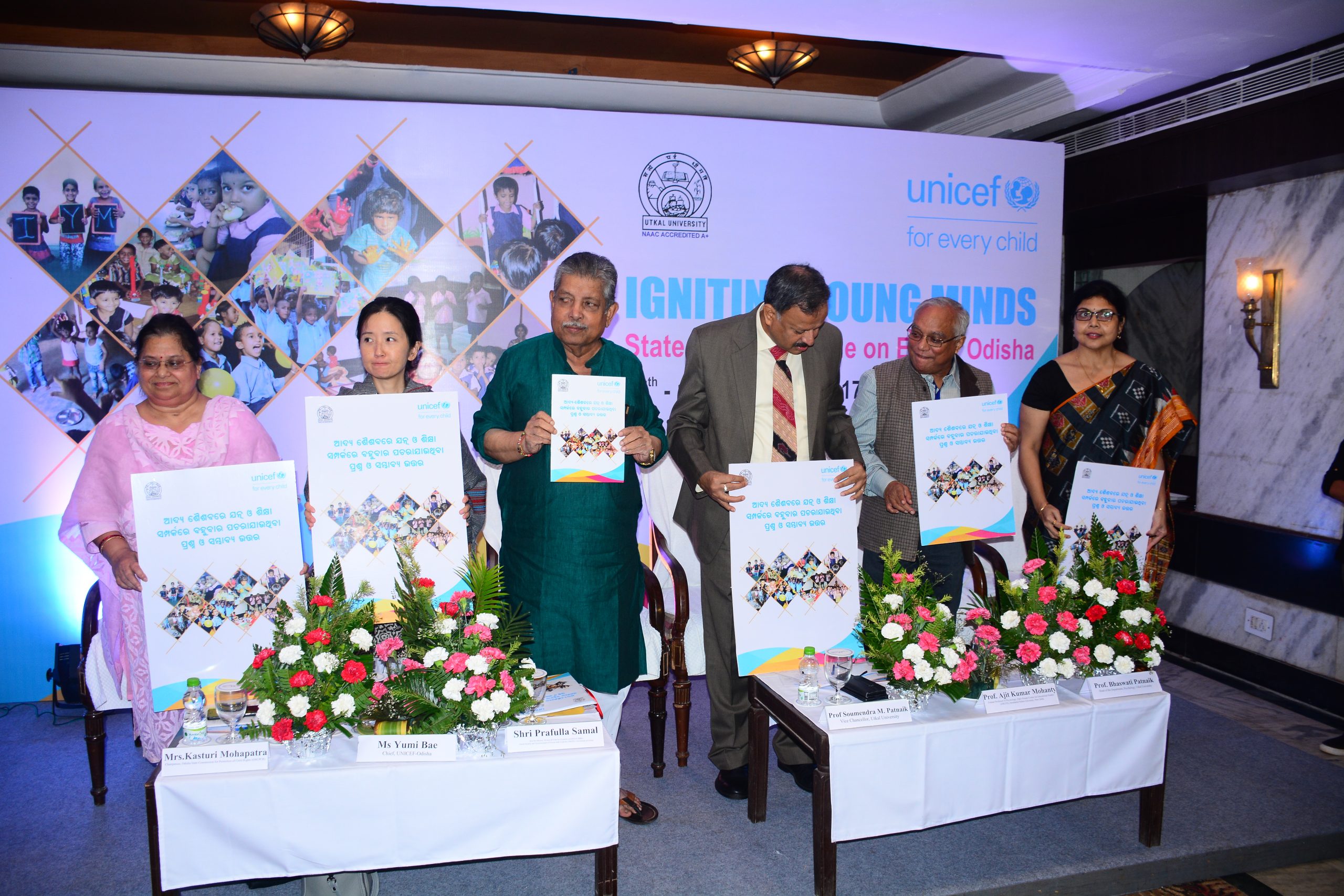
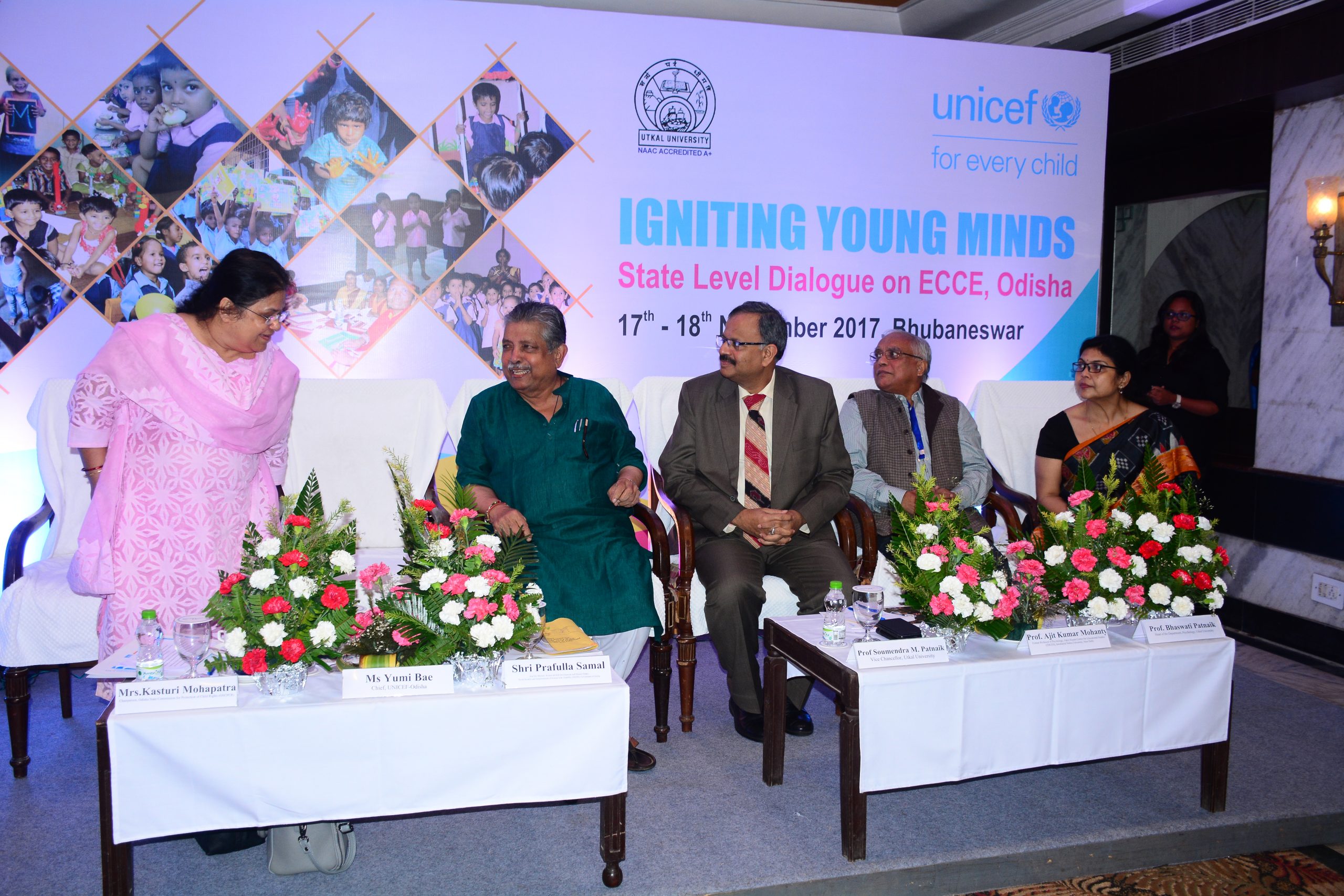
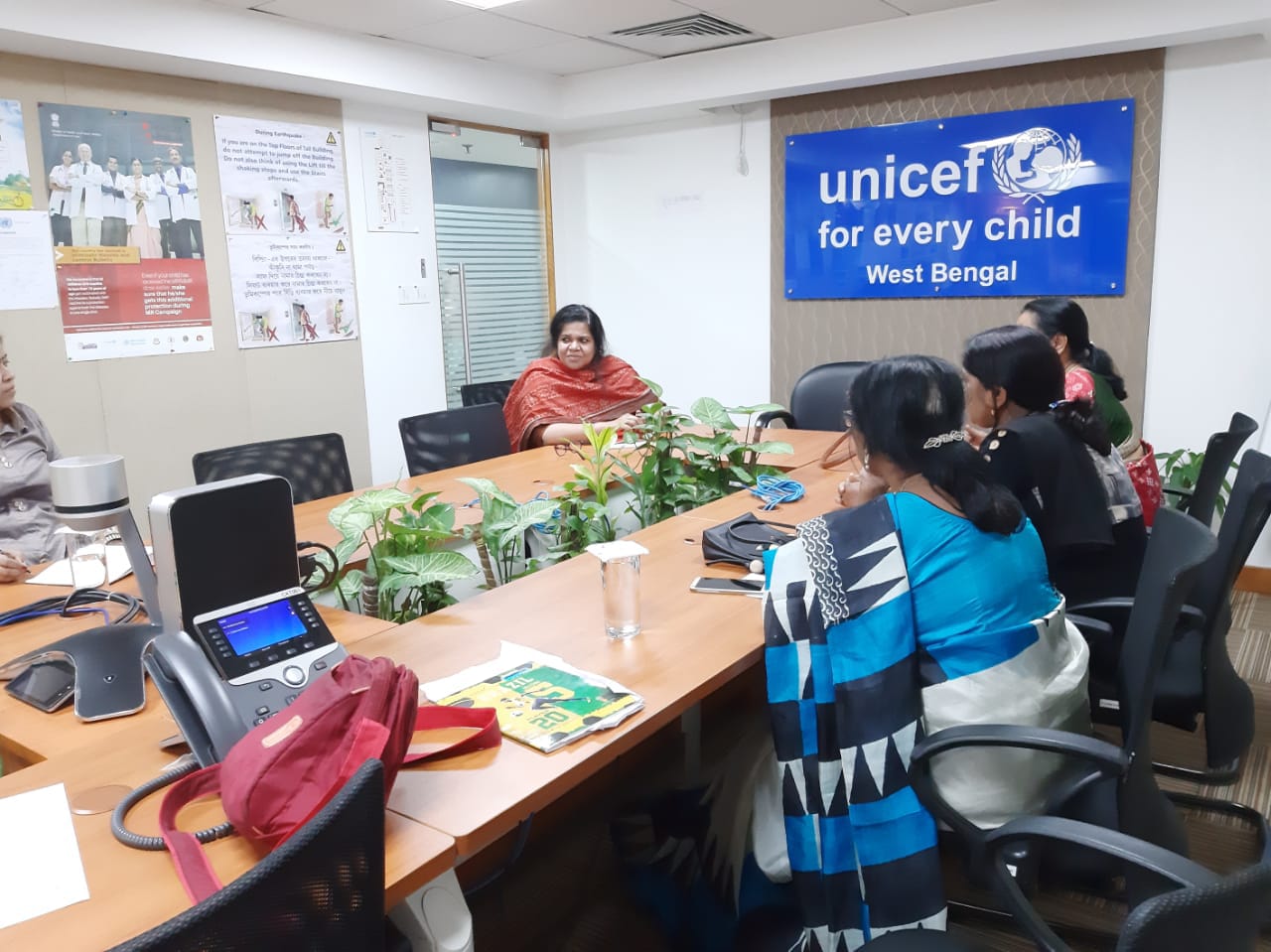
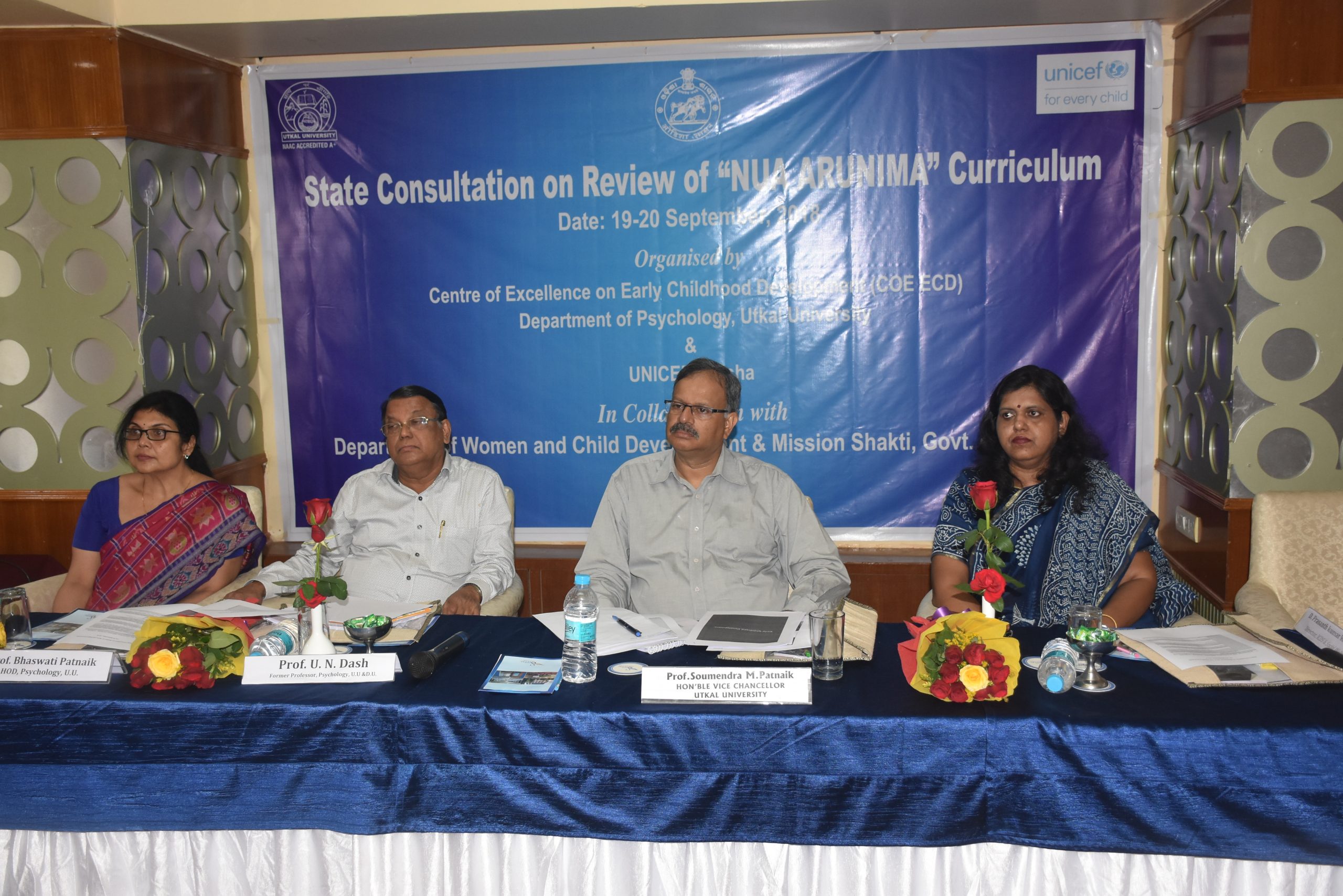
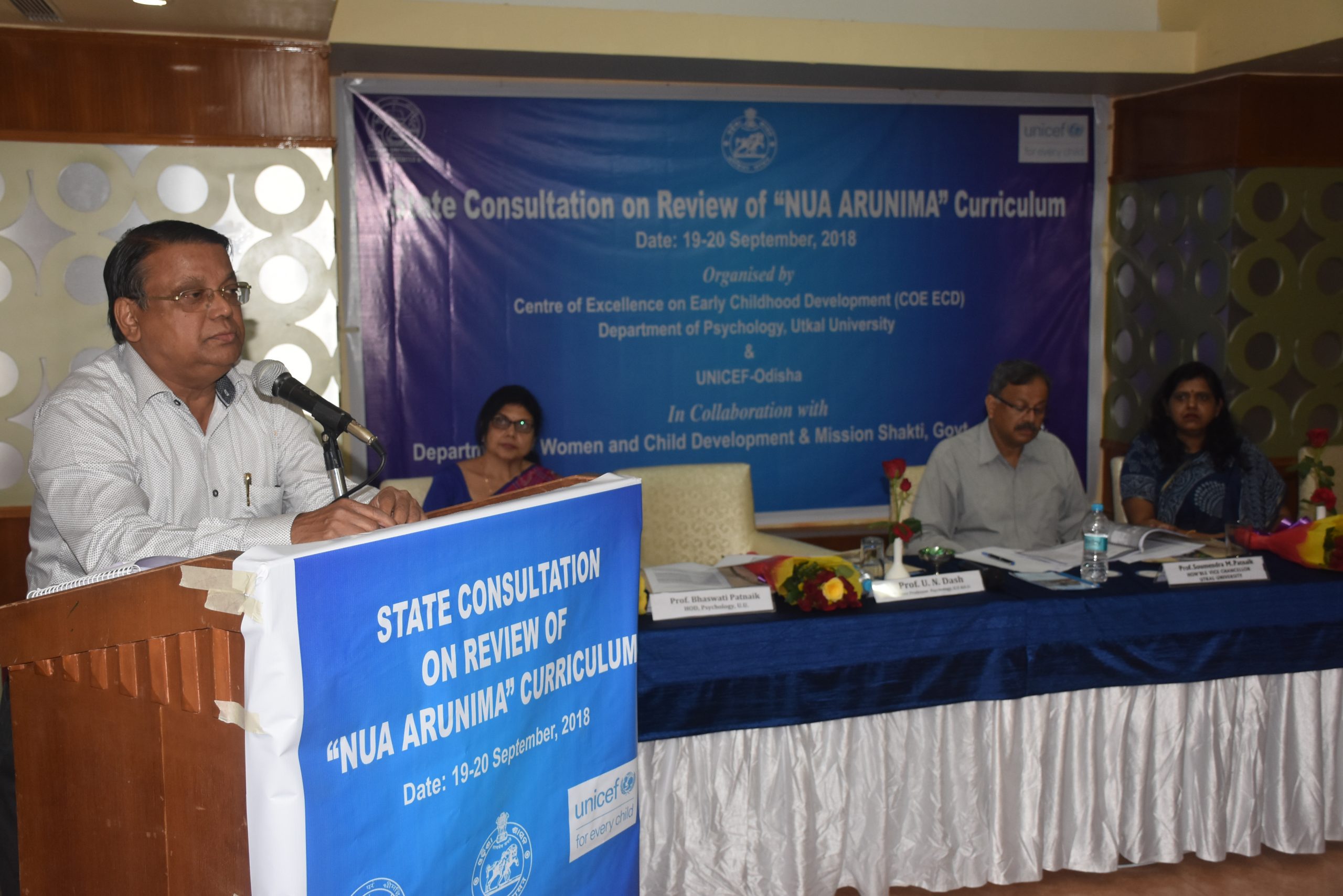
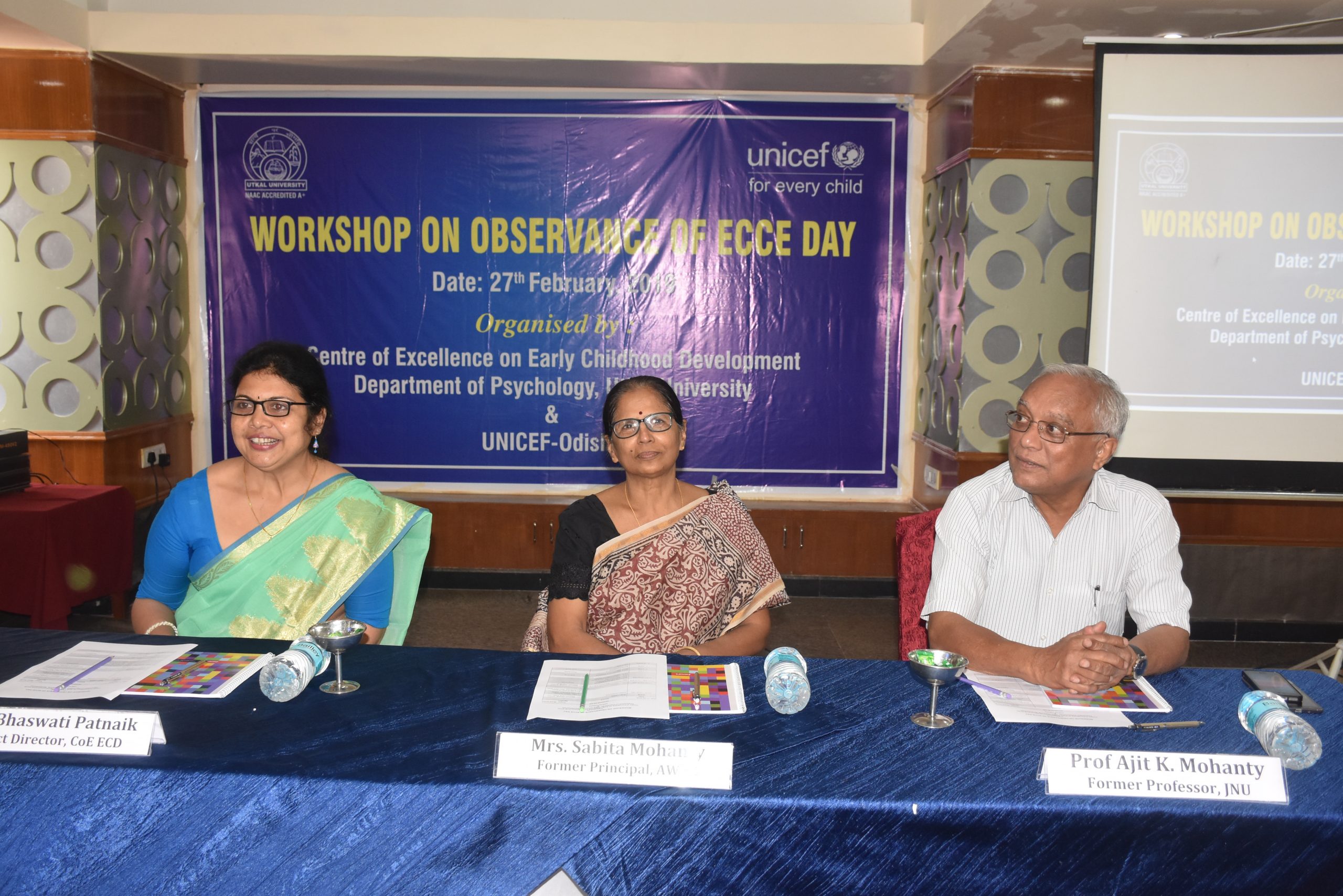
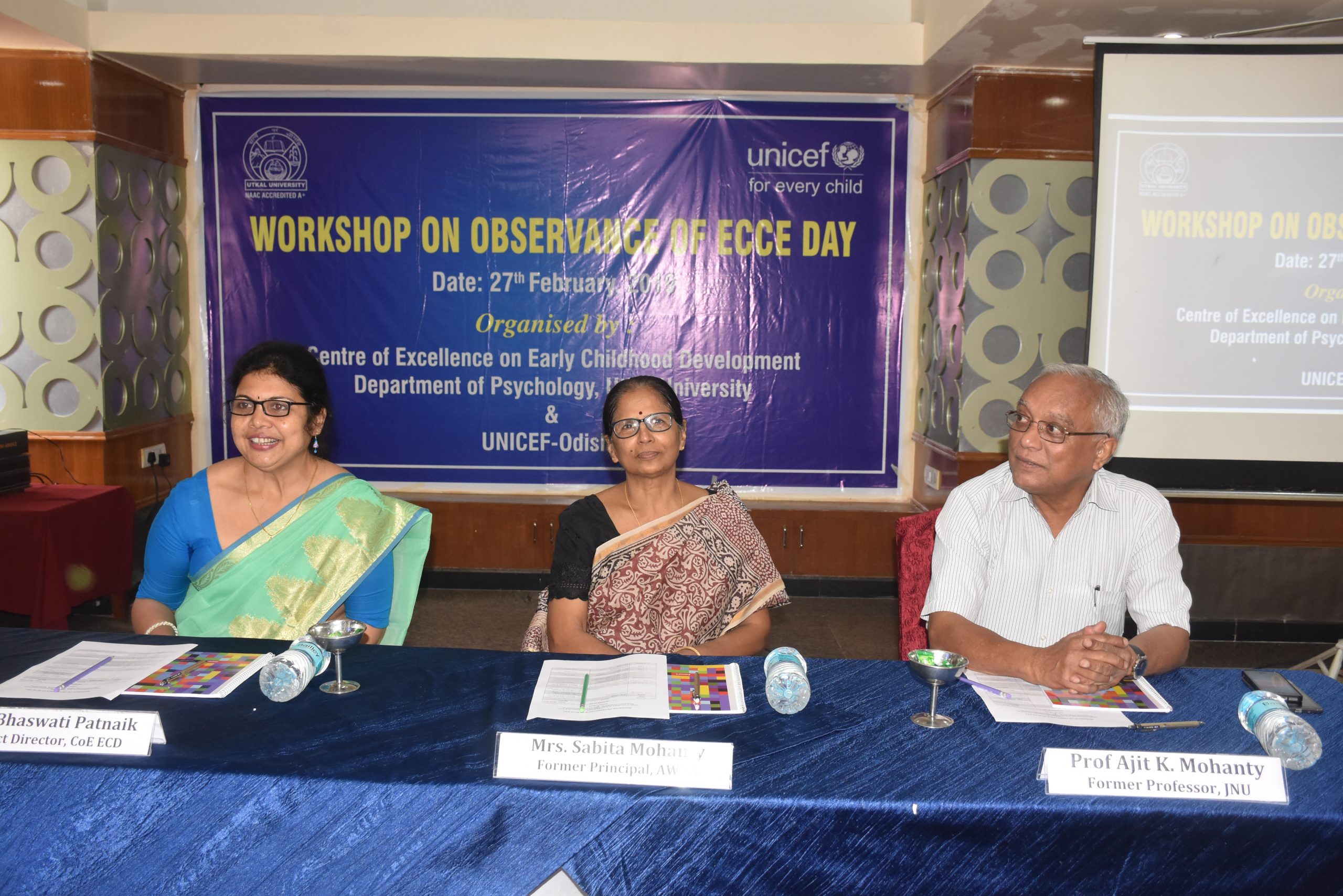
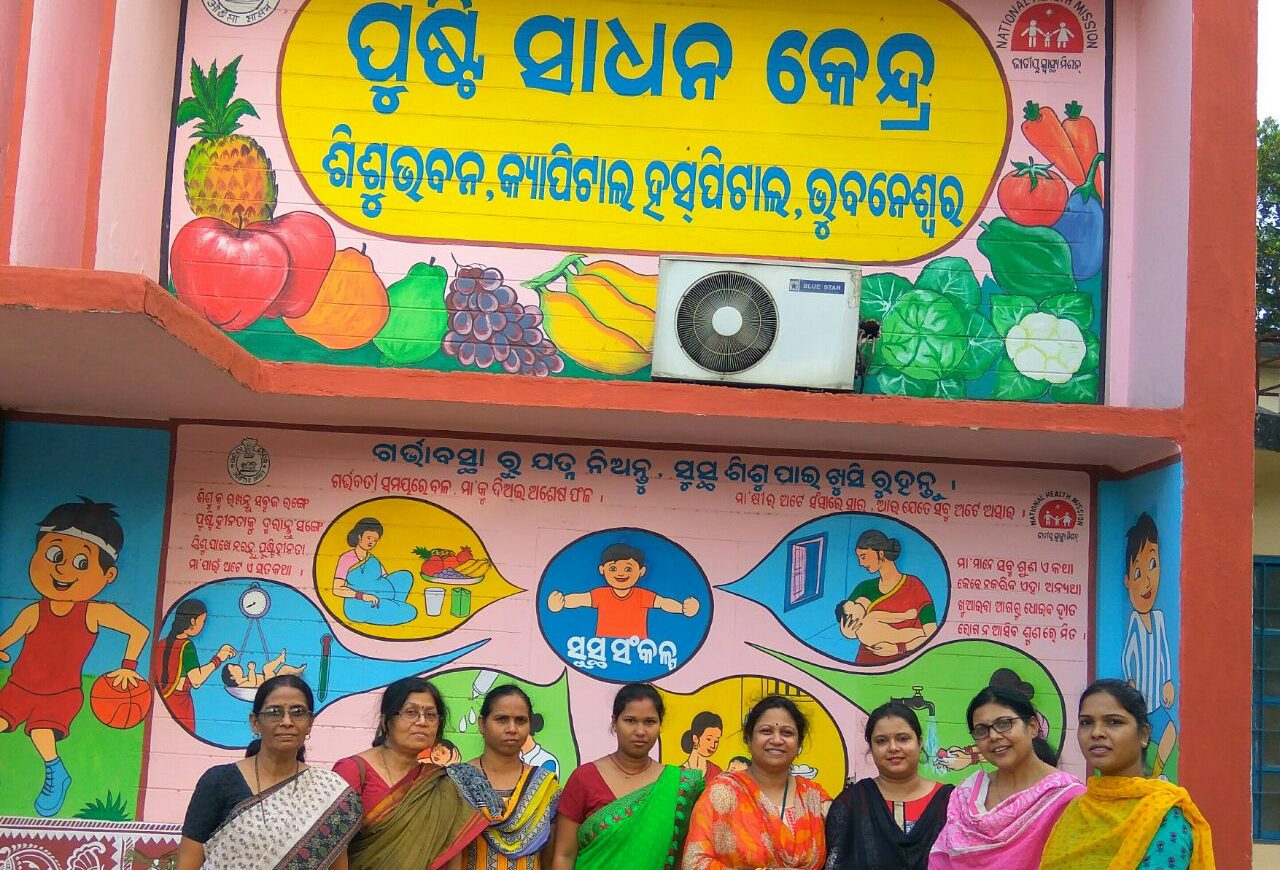
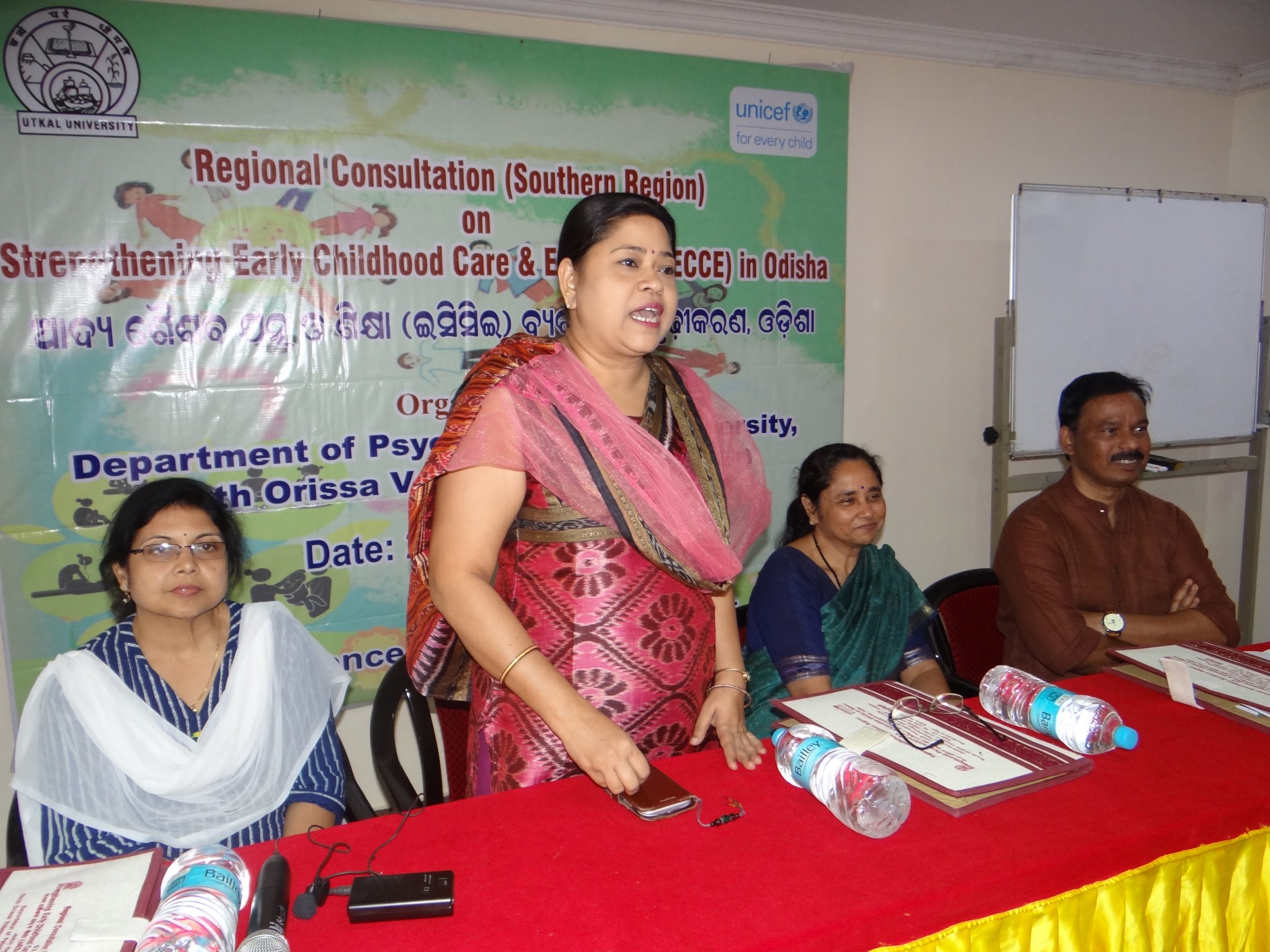
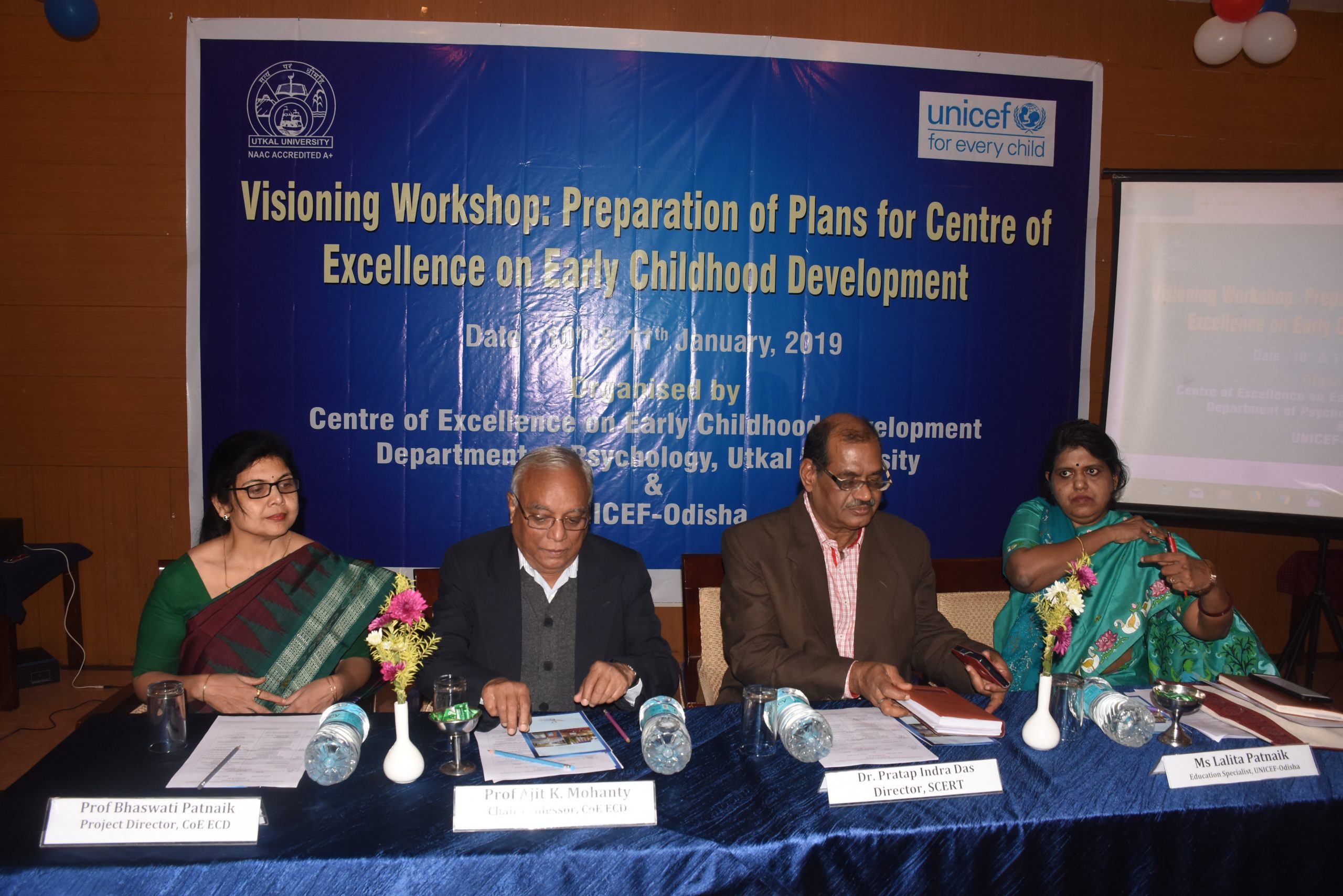
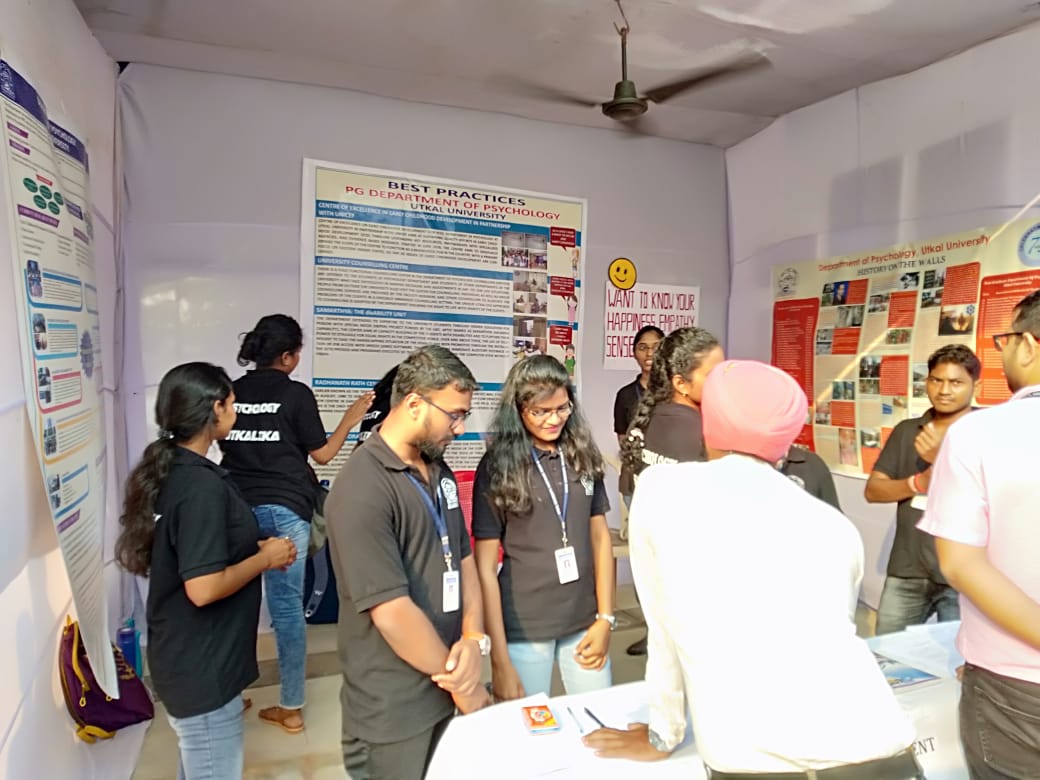
The Department of Psychology was established in 1953 at Ravenshaw College, Cuttack as an undergraduate Department by Prof. Radhanath Rath. It was upgraded to Post-Graduate Teaching and Research Department in 1958, and moved to Utkal University Campus at Vani Vihar, Bhubaneswar in 1962. The department was recognized as a U.G.C. Department of Special Assistance (DSA) in 1976-77. In 1980, it was declared as a Centre of Advanced Study in Psychology (CASP), the first such UGC Centre in Psychology in the country, and the only such Centre in Odisha. In 2017, the Department entered into a partnership project with UNICEF for a Centre of excellence on Early Childhood Development. The faculty members as well as the students have contributed to the growth of the discipline as well as cater to the mental health needs of the community through innovative research and practices.



| Sl.No. | Programme | Seats |
|---|---|---|
| 1 | M. A Programme | 48 |
| 2 | PhD Programme |
Physical Facilities:
Testing Library: Psychometric Tests are issued to researchers who want to study the process of test administration, scoring and interpretation.
Laboratory Facilities:-
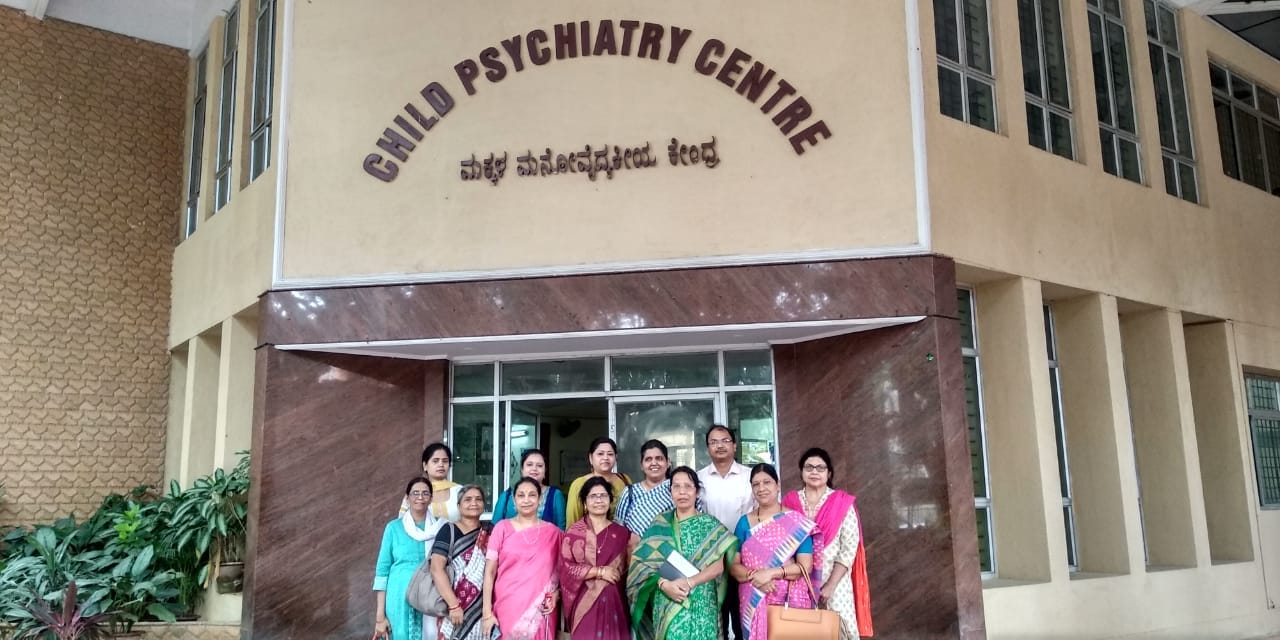
University and Child Counselling Centre: There is a fully functional counselling center in the Department of Psychology. Counselling services are offered to the students of Psychology department and students of other departments of the university who face difficulties in making decisions and adjustments in day -to -day life situations. People from outside the university also visit the center for counselling. Individual as well as group counselling services are provided by the faculty members and other counsellors to alleviate the problems of the clients in a specially arranged counselling setting. Psycho-educational diagnoses as well as remediation programs are also recommended to the children with learning disabilities and other social and emotional problems. Students often avail the opportunity for Career and Relationship counselling. Besides face to face counselling, there is also provision for telephonic counselling. Students are also helped to develop insight and skills in solving problems and discovering the strengths in their personality.
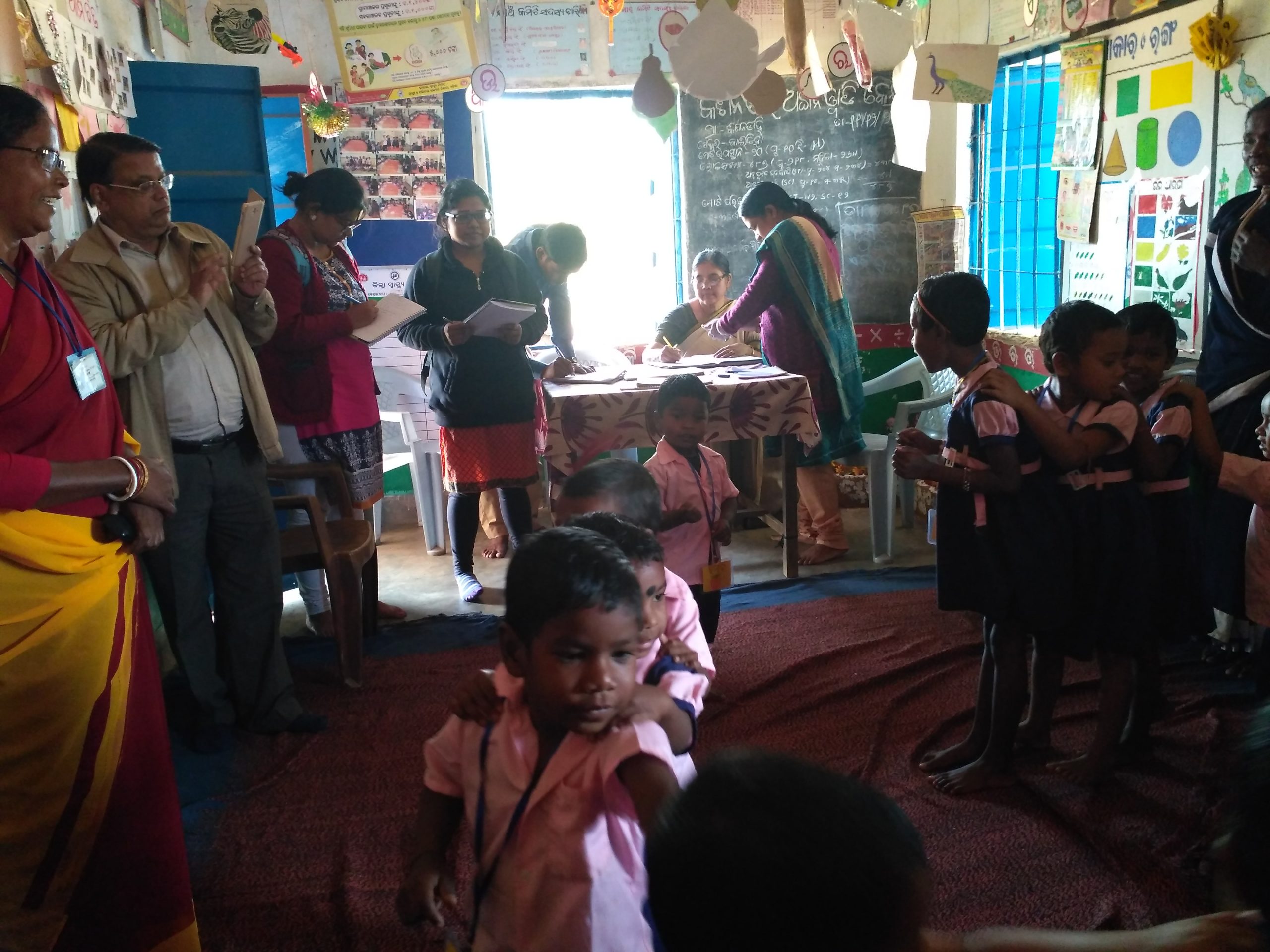
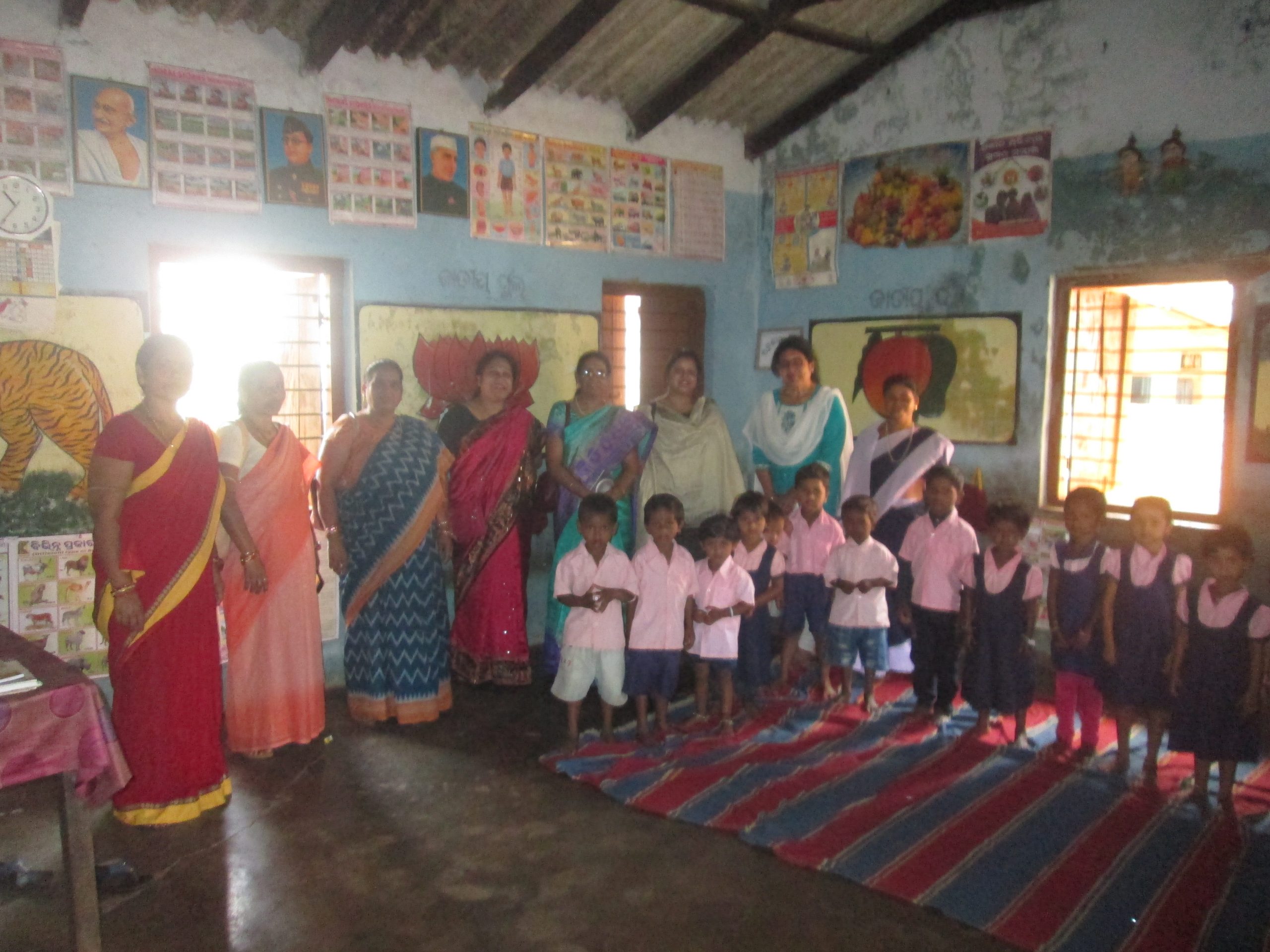
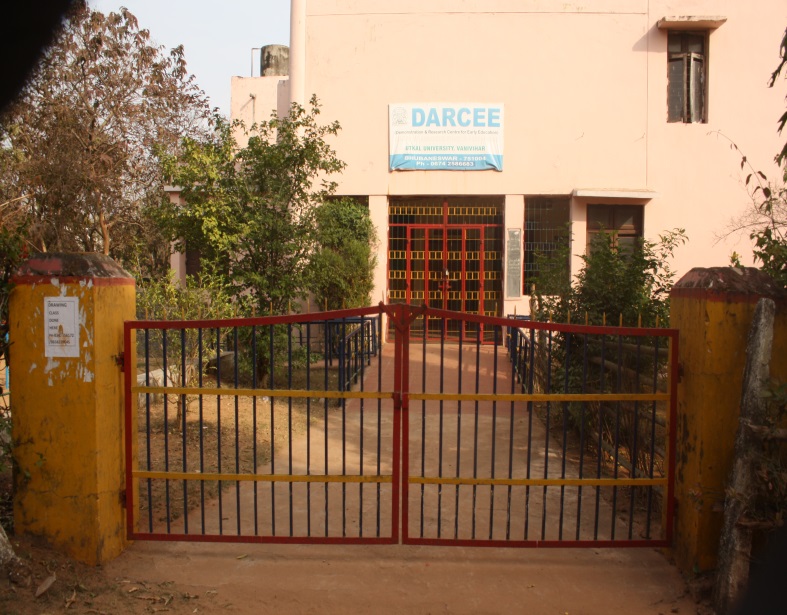
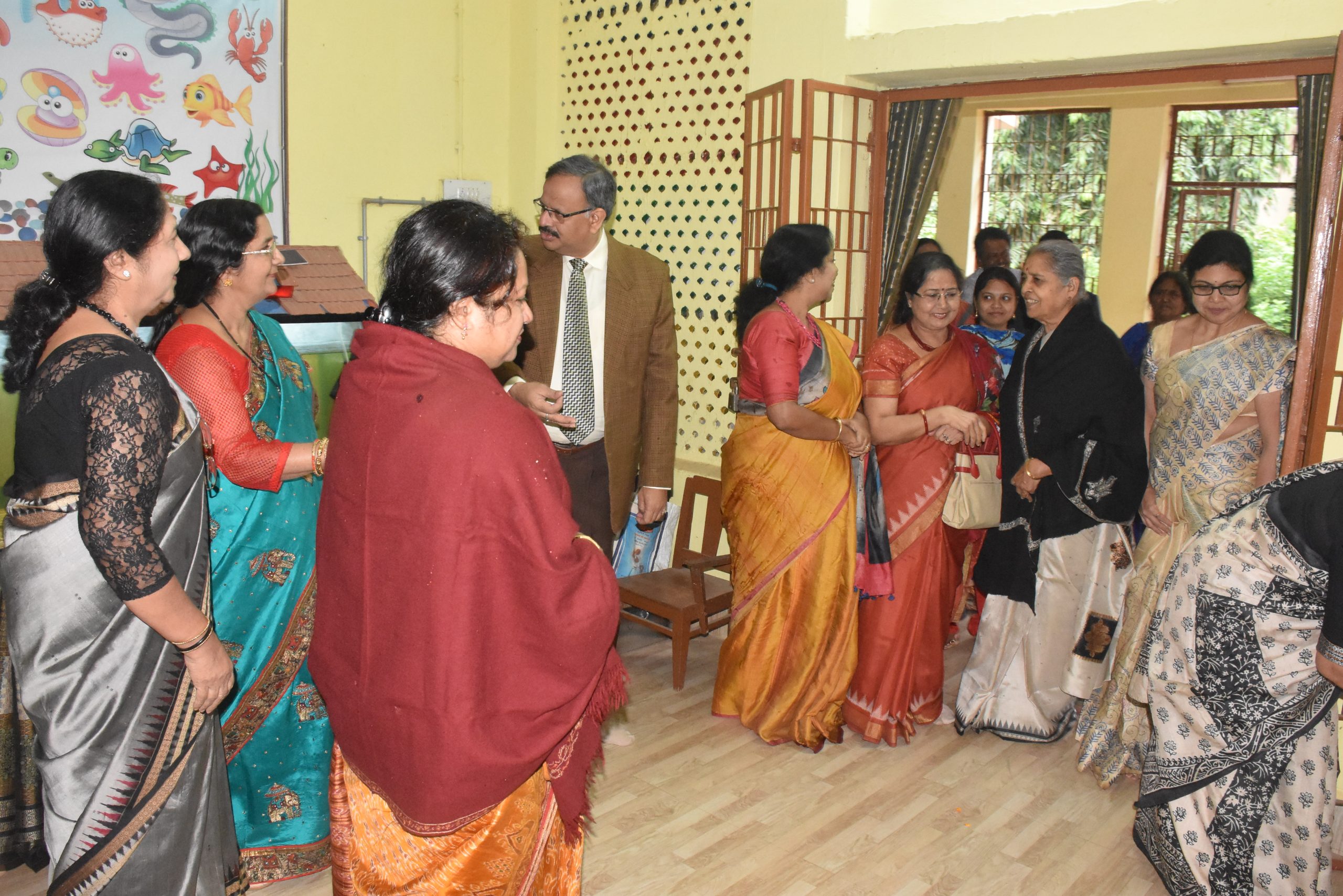
Radhanath Rath Centre for Early Childhood Education (Formerly Demonstration and Research Centre for Early Education (DARCEE): The Centre offers Pre-school education since 1980 to the young children in the age group of 3-4 years. Play way method as well as audio-visual techniques are used to help children acquire cognitive skills. Child centered activities are given foremost importance to facilitate learning. Moreover, utmost care is taken for the social, emotional, and intellectual development of the children. Development of integrated personality among the children is one of the major objectives of preschool education. The intake capacity of the school is limited to 60 students only. There are specially trained teachers and other care takers who help in developing learning readiness among the preschoolers in a fearless and non-punitive environment. DARCEE also serves as an action- research oriented experimental laboratory-cum-demonstration center in early childhood development and education for the M.A. and Ph.D. students.
Mentoring: The Department provides mentoring for students of different departments of this University and from outside focusing on the following:
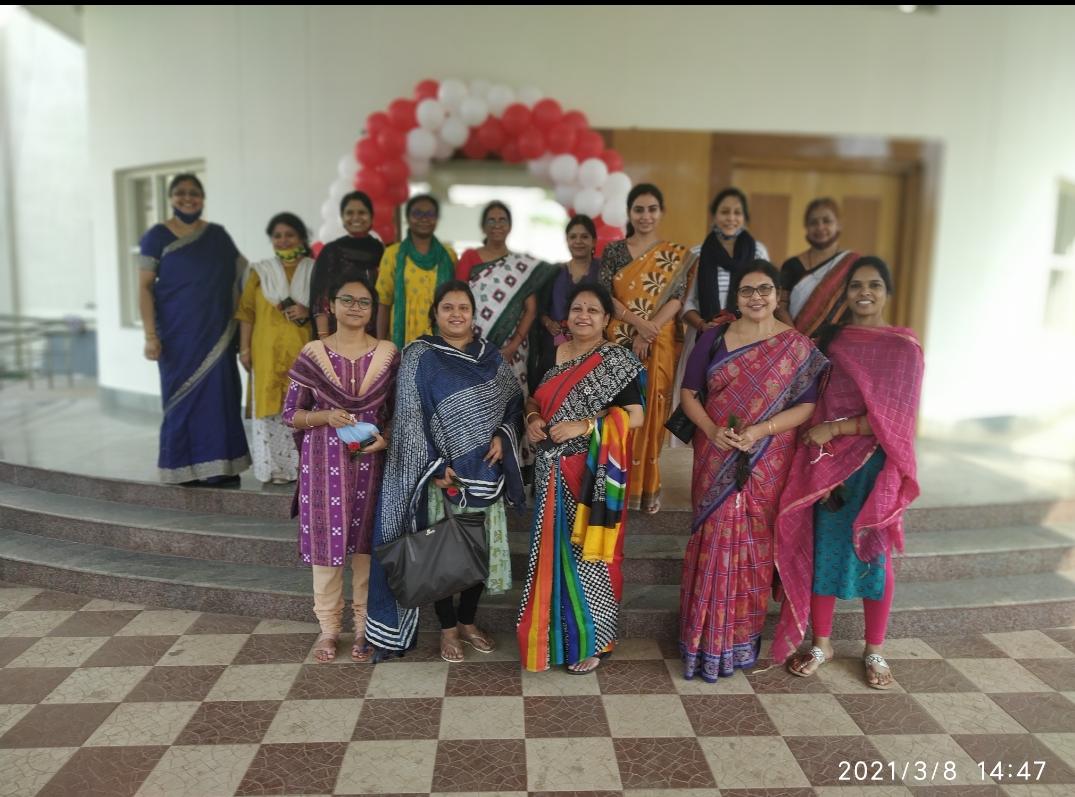
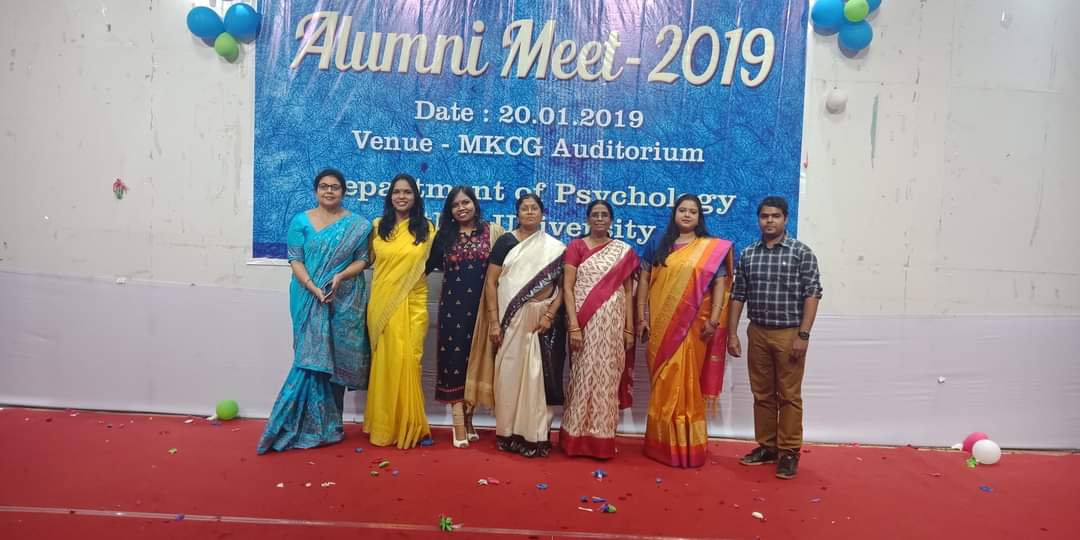
The Department enjoys a strong and vibrant Alumni connect as the alumni from the first batch of Post-Graduation (1965) to the current one comprise its membership. Total strength of Alumni members including that in social media is more than 1110. Regularly the Alumni Meets are organised.
Objectives:
Notable Awards and Recognitions by Alumni
Some Distinguished Alumni of the Department

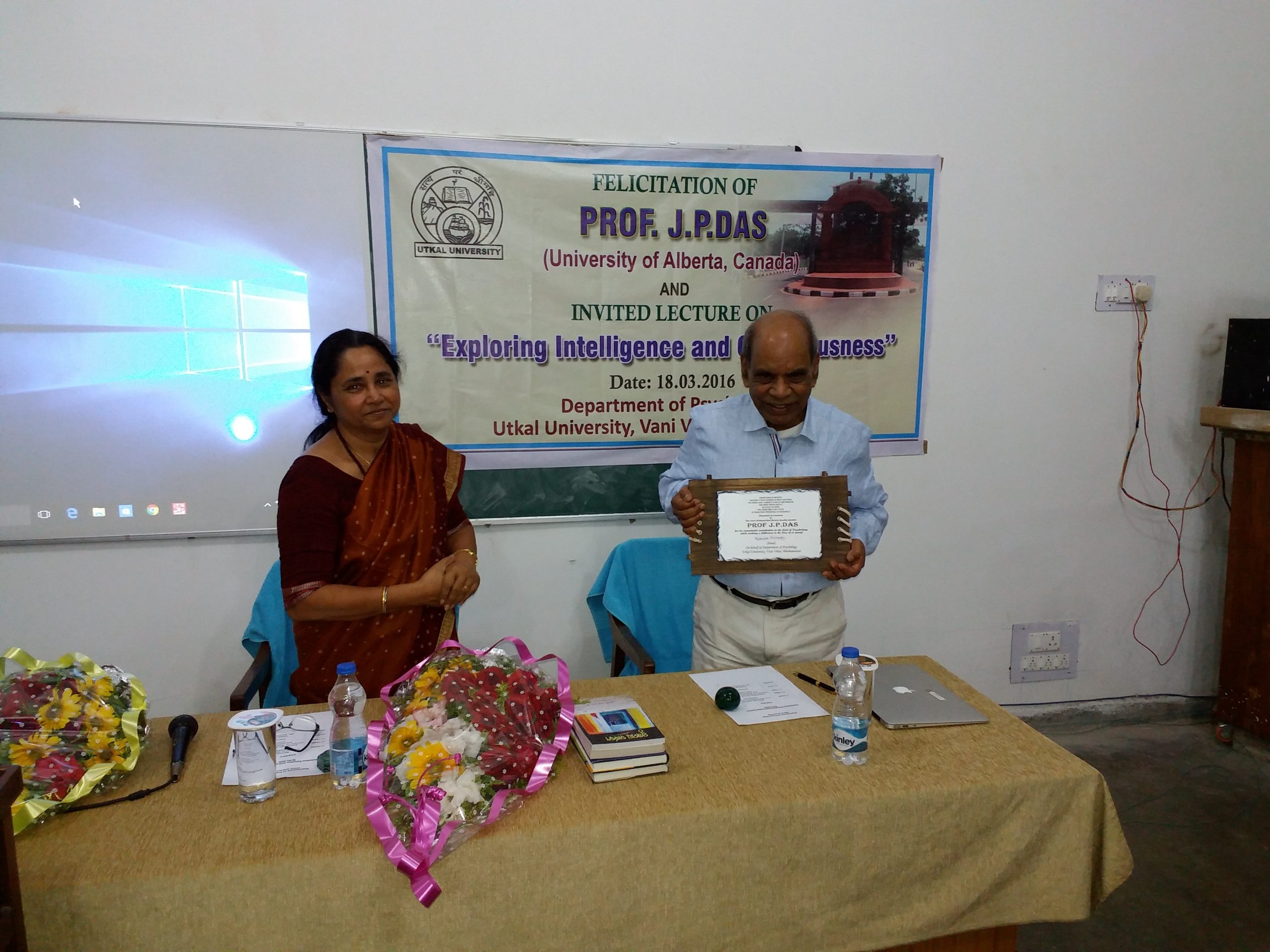
Prof JP Das, Director Emeritus, JP Das Centre on Developmental & Learning Disabilities, Canada

Prof Ajit Kumar Mohanty, JNU, New Delhi, Renowned Psycholinguistic

Prof Neharika Vohra, Vice Chancellor, Delhi Skills and Entrepreneurship University

Mrs ShewtaleenaBidyadhar, Director, Learning Transformation, Optum Global

Mrs SudhashriPanigrahi, Counselling Psychologist, Stanley Wellness Centre, Hong Kong

Mrs Julia Mohapatra, Deputy Director General, National Institute of Communication Finance, New Delhi (Indian Allied Services)

Mrs Joyshree Nanda, Mental Health Expert, USA

Prof Sukanya Ray, Suffolk University, USA

Prof Sandeep Patnaik, Program Chair (Marketing), University of Maryland, USA