

Utkal University
Bhubaneswar, Odisha
Bhubaneswar, Odisha
ଉତ୍କଳ ବିଶ୍ୱବିଦ୍ୟାଳୟ
ଭୁବନେଶ୍ୱର, ଓଡ଼ିଶା
ଭୁବନେଶ୍ୱର, ଓଡ଼ିଶା
- About Us
-
-
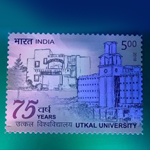
POSTAGE STAMP
UNIVERSITY LOGO
UNIVERSITY SONG

-
-

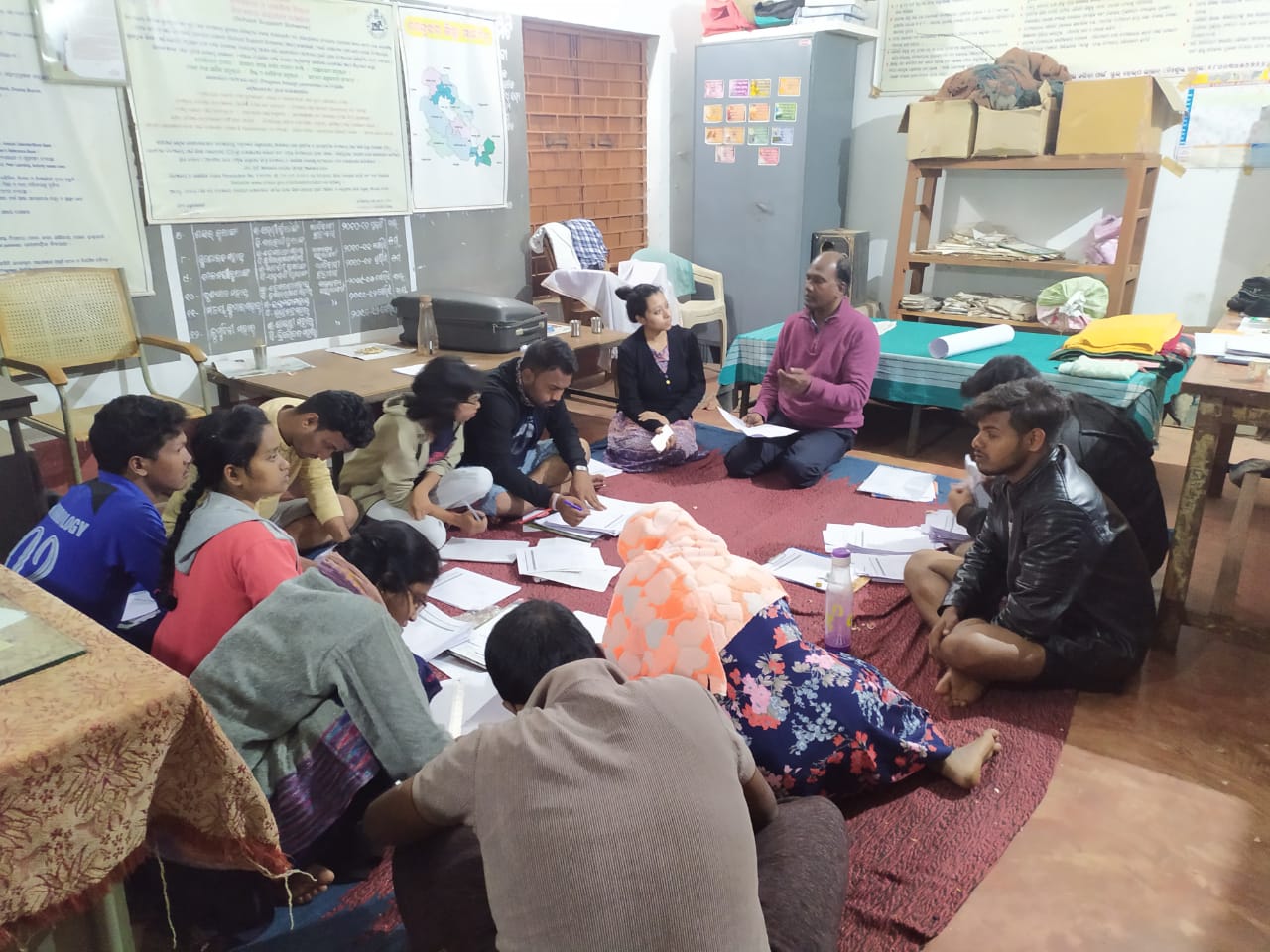
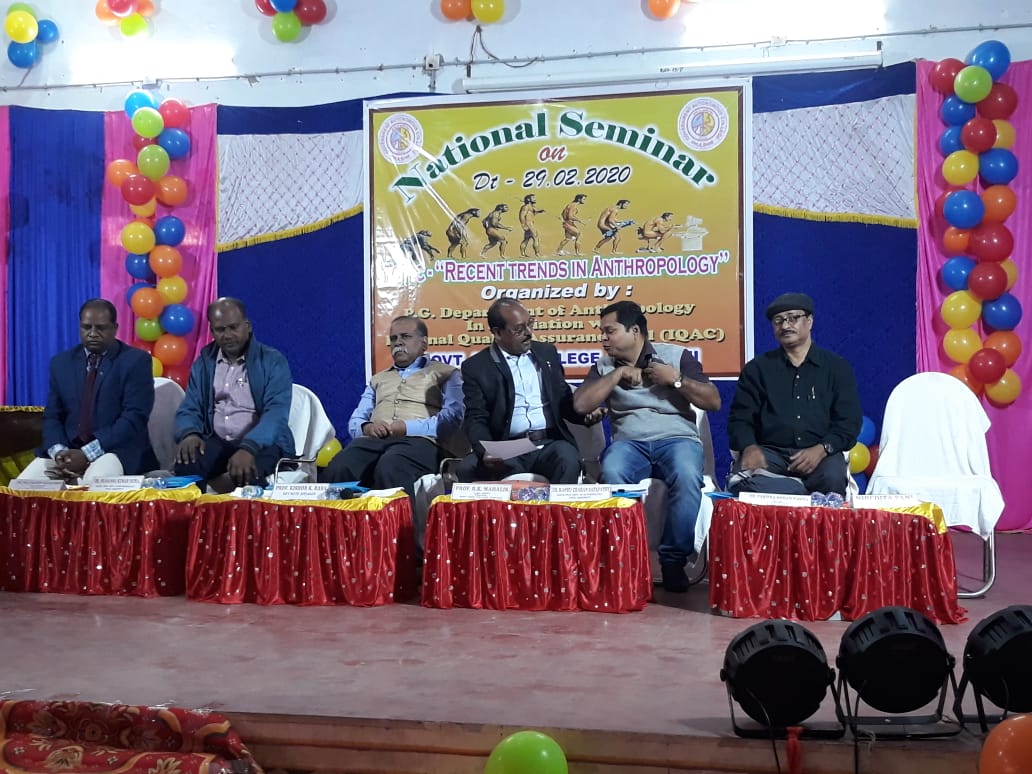
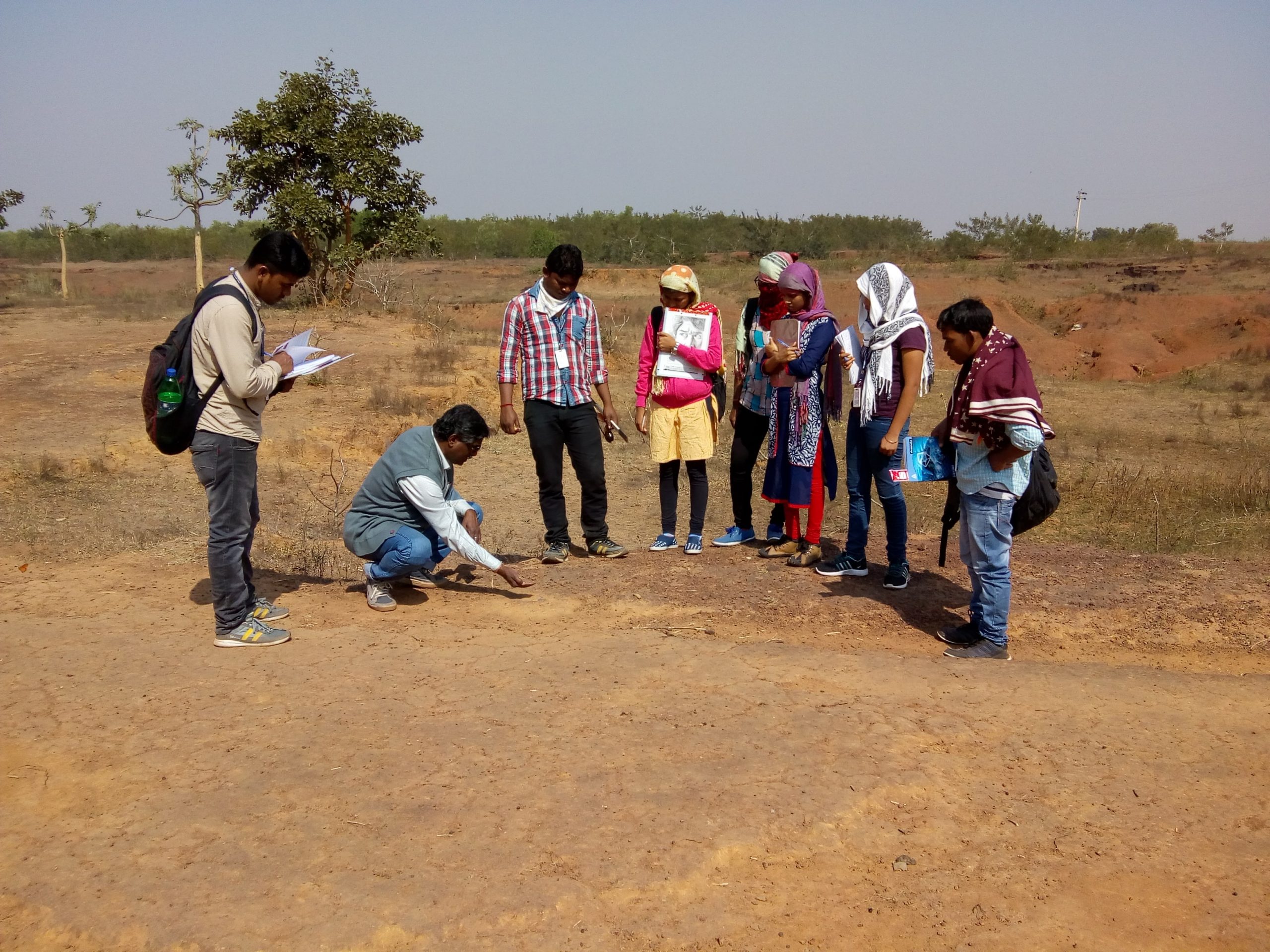
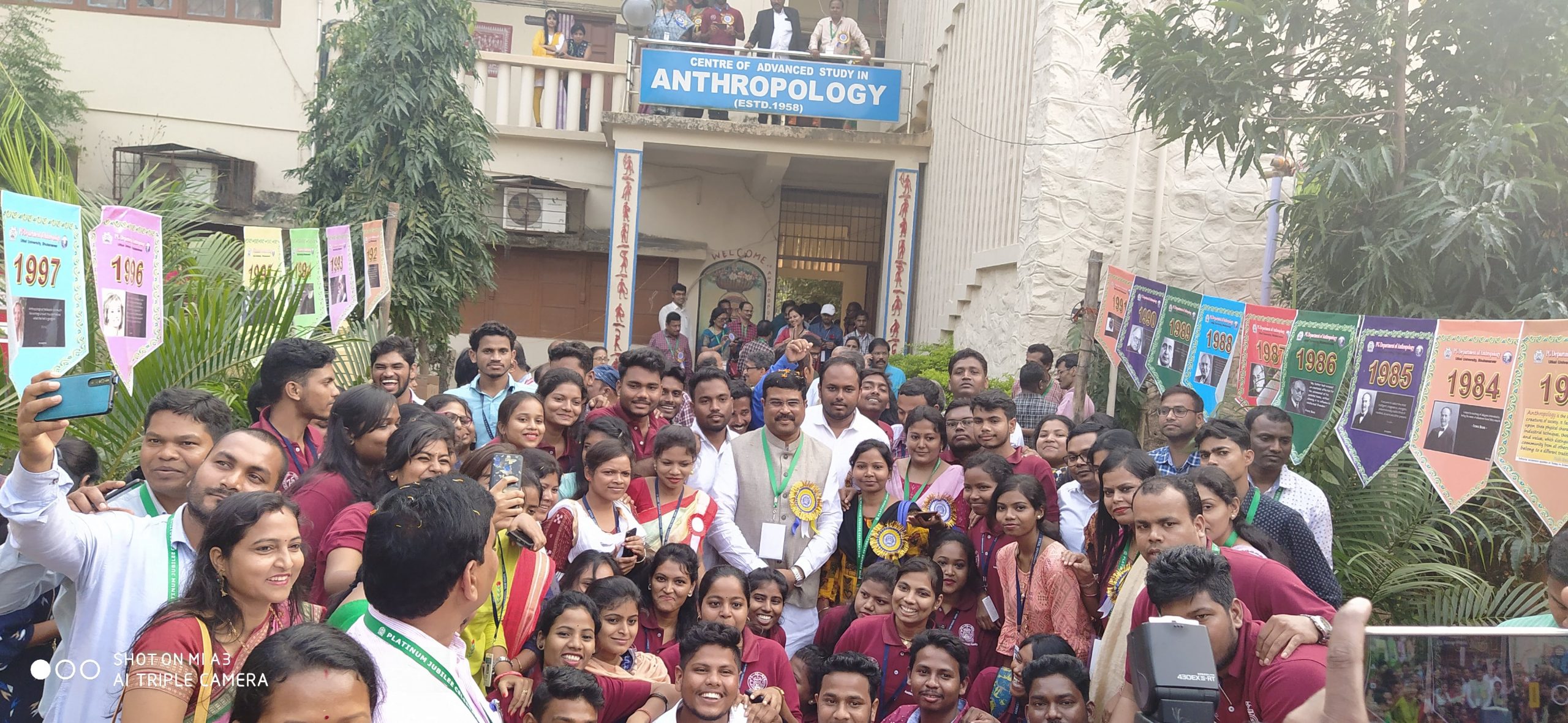
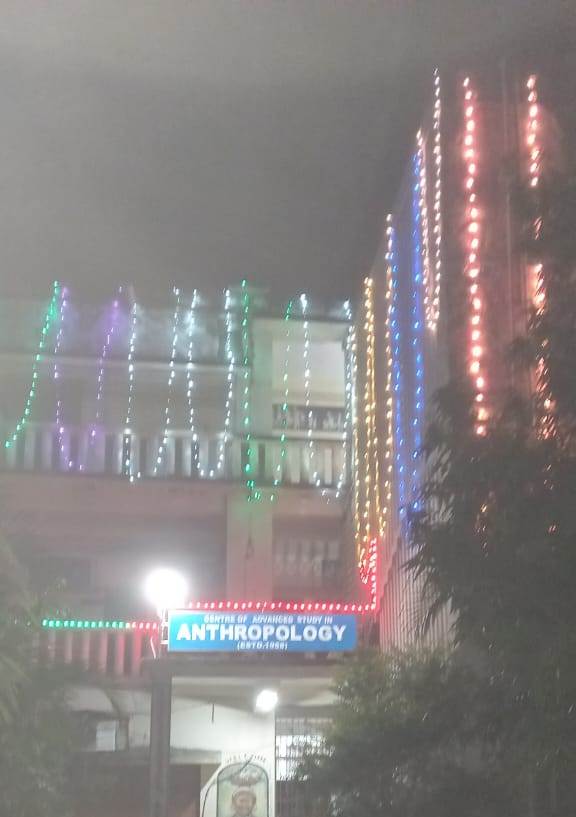
Established in 1958, the department is one of the oldest of its kind in India, with a strong legacy of teaching and research in advanced fields of anthropology. It offers M.A./M.Sc., M.Phil., and Ph.D. programmes, and over the past 65 years has produced more than 1,500 postgraduates and over 110 doctoral scholars. Specialisations span Socio-Cultural Anthropology, Biological Anthropology, Archaeological Anthropology, and Development Anthropology, reflecting contemporary directions in the discipline.
The department’s early eminence owes much to the leadership of its founding professor, A. Aiyappan, and Prof. L.K. Mahapatra, whose vision, along with the efforts of the faculty, shaped several milestone developments in its history. It holds the distinction of being the first department in the country to host a UGC Centre of Advanced Study (CAS I and II) and an MHRD-recognized National Resource Centre (NRC) in Anthropology (2017–18). It further received UGC’s Department of Special Assistance (DSA) status from 1988 to 2007, and support under the UGC’s Assistance for Strengthening of Infrastructure for Humanities and Social Sciences (ASIHSS) scheme. Faculty achievements include prestigious national and international honours such as the Alexander von Humboldt Fellowship, the Commonwealth Academic Staff Post-Doctoral Fellowship, and the Indo-French Cultural Exchange Programme, while six of its professors have served as President of the Anthropological and Behavioural Sciences Section of the Indian Science Congress.
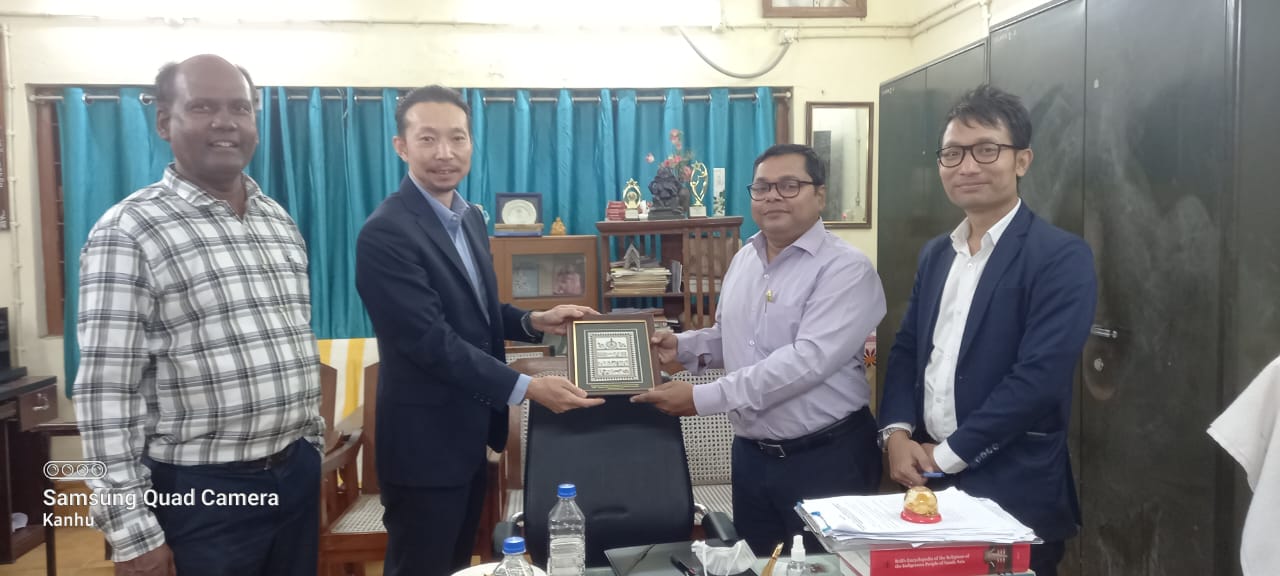
International collaboration is central to its identity, with MoUs held with the University of Tübingen (Germany), the Frobenius Institute at Goethe University (Frankfurt), and the University of Groningen (Netherlands), alongside partnerships with national institutions such as the Indian Council of Medical Research, the Anthropological Survey of India, the Indira Gandhi Rashtriya Manav Sangrahalaya (Bhopal), and Deccan College, Pune. It was also awarded the CSIR-Kalinga-Haldane Chair in Human Genetics, further affirming its standing as a centre of excellence.
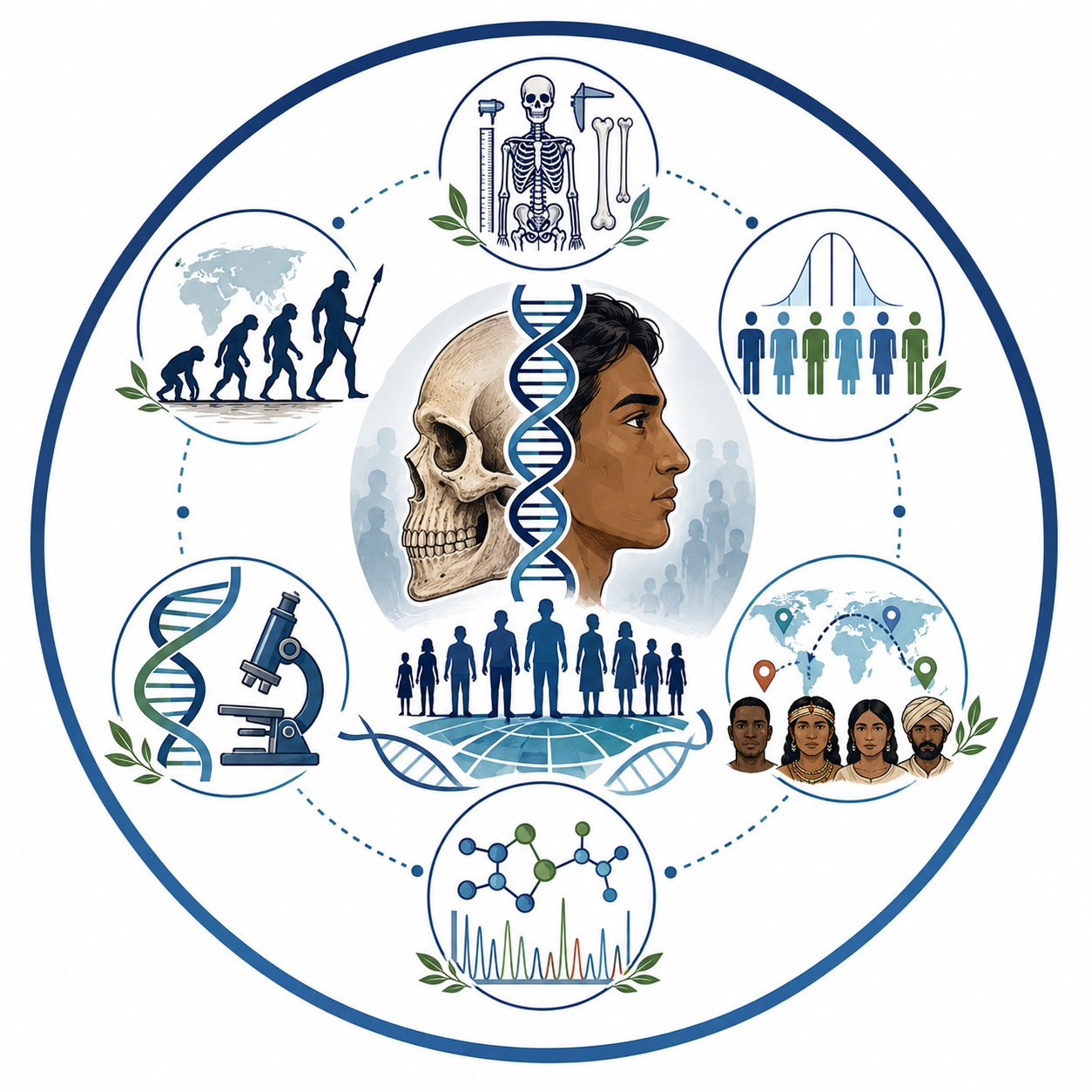
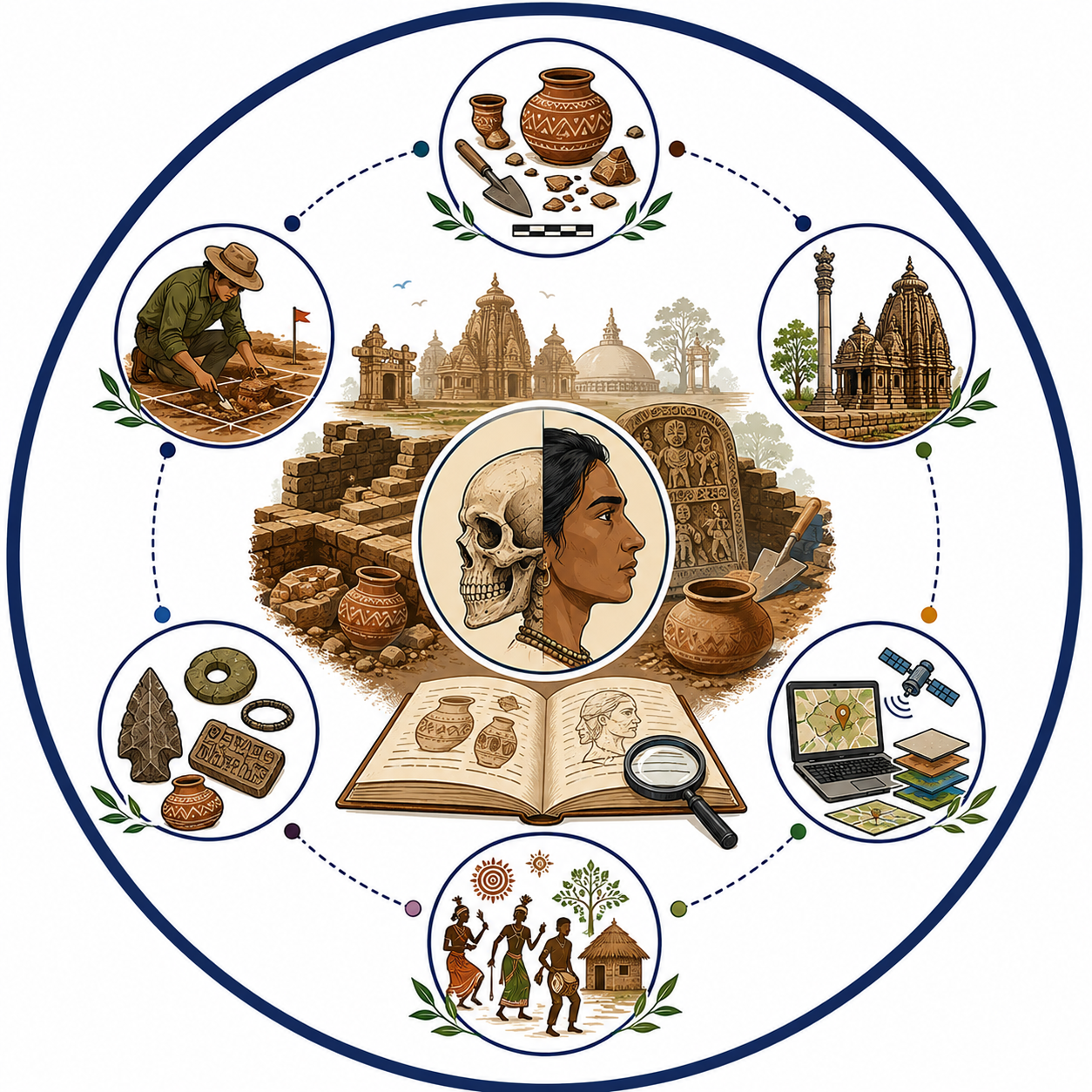
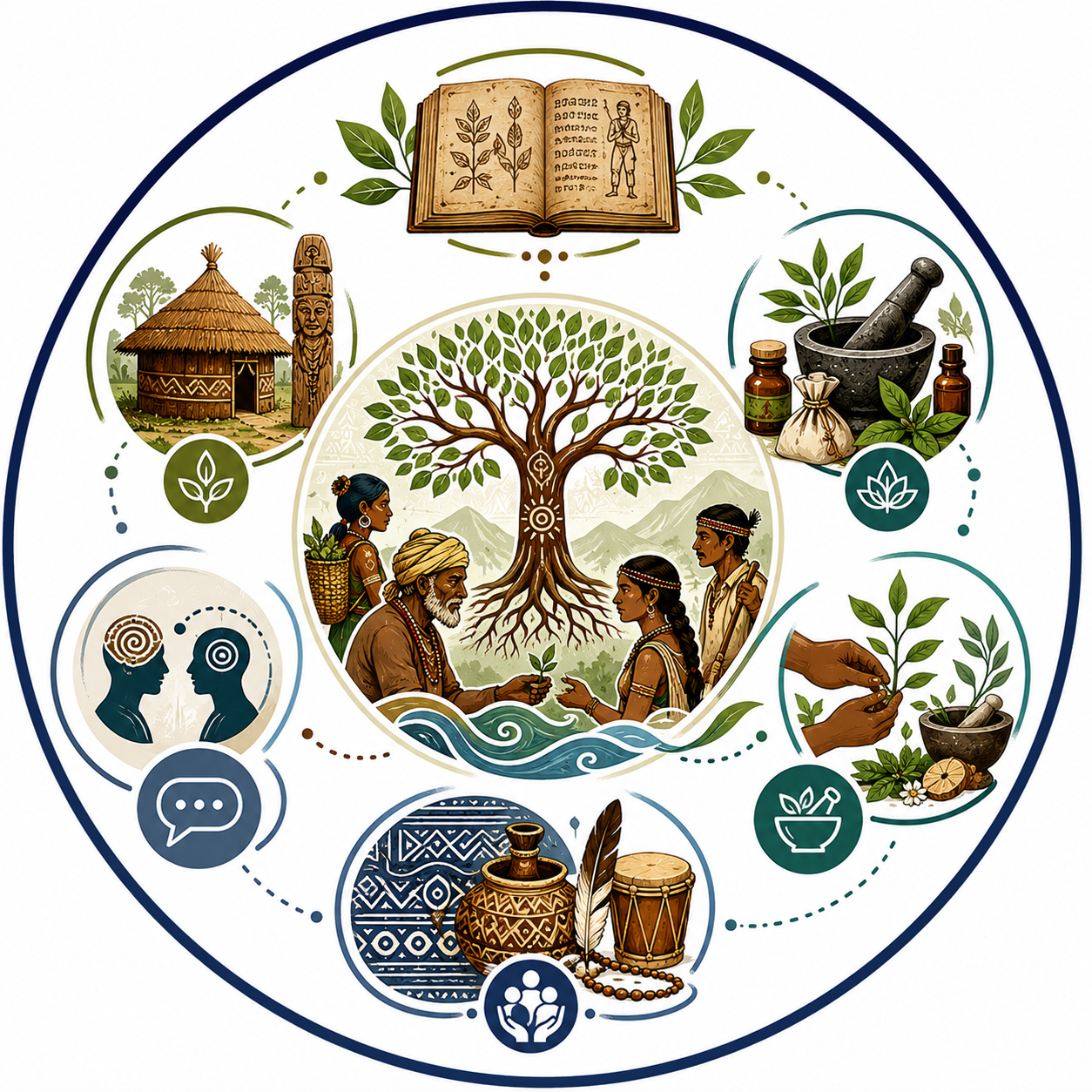
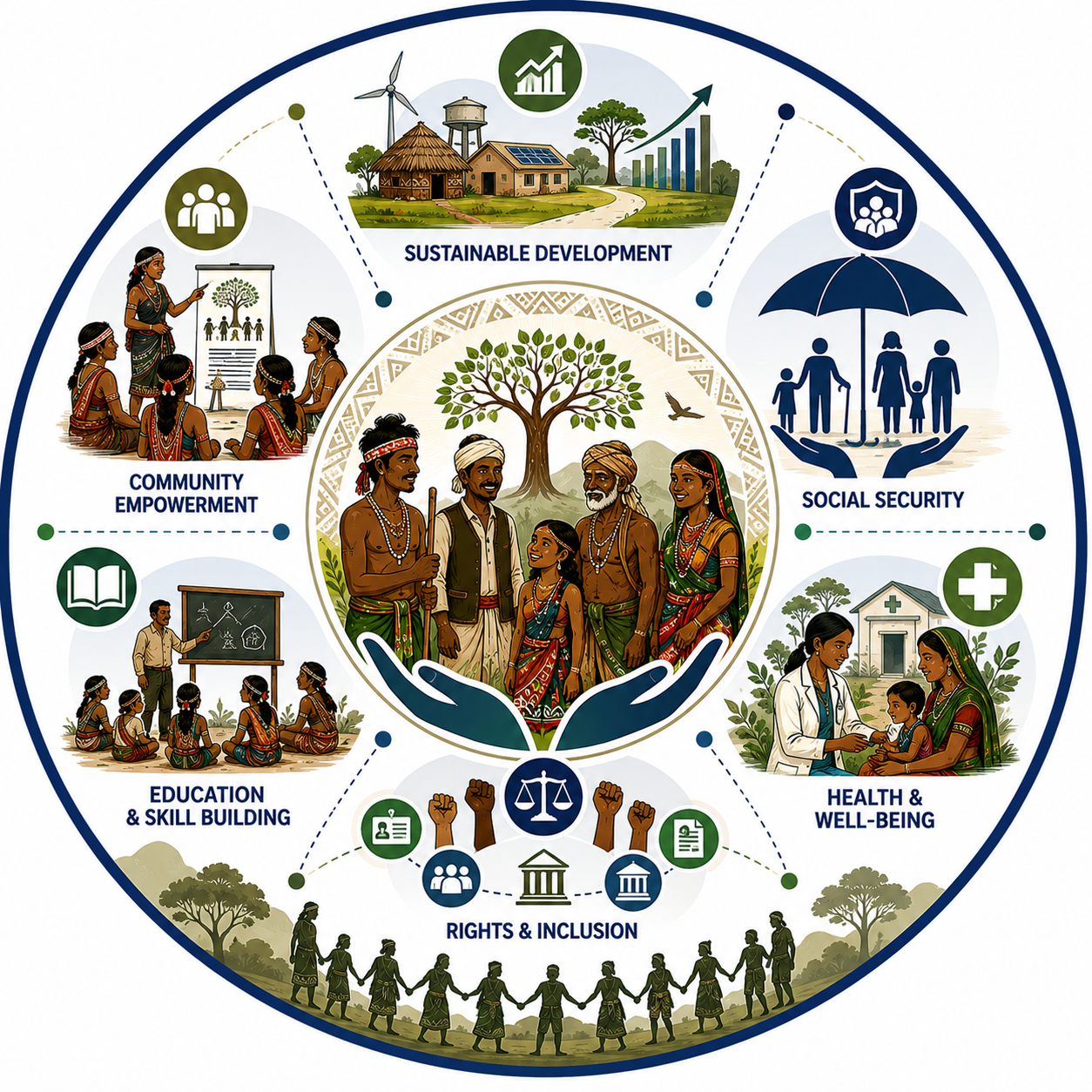
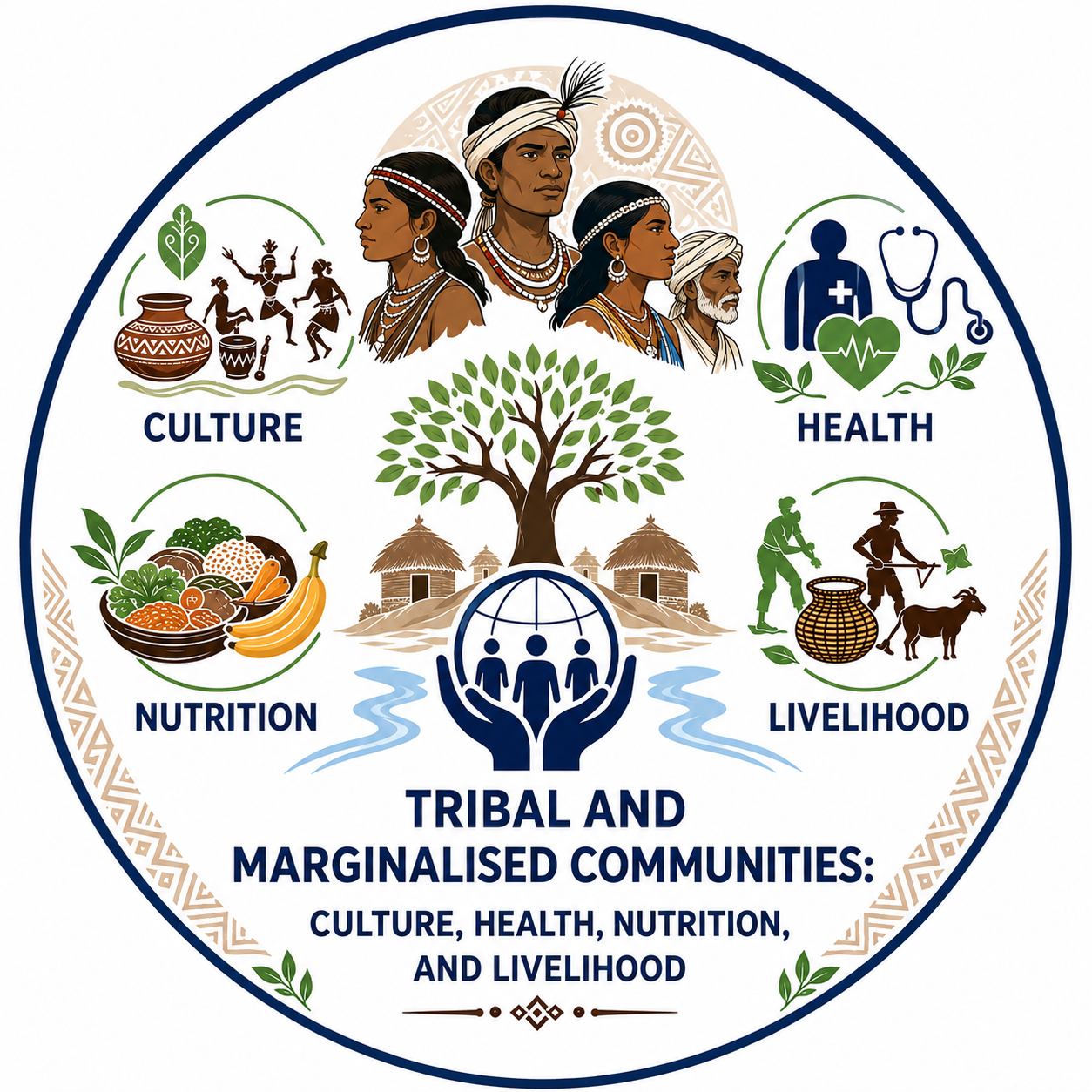
To be a nationally and internationally recognised centre of excellence in anthropological teaching and research that advances the understanding, welfare, and cultural heritage of tribal and marginalised communities.
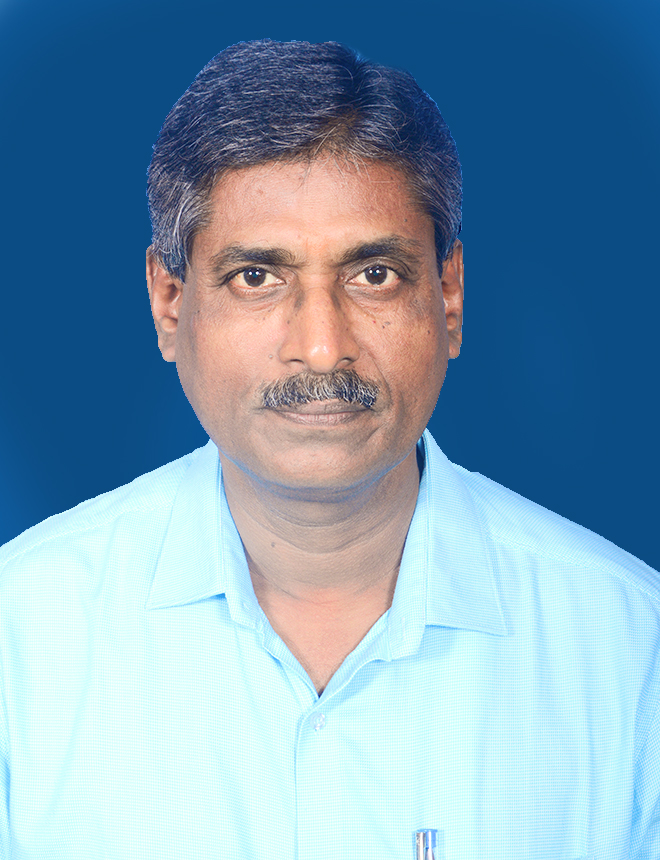
dsahoo.utkal@gmail.com
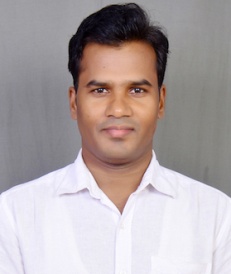
rkmahana@gmail.com
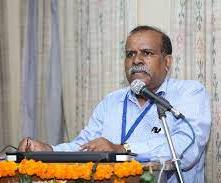
kishorkbasa58@gmail.com
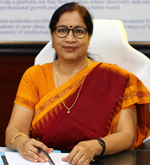
sacharya.uu@gmail.com
| Sl.No. | Programme | Seats |
|---|---|---|
| 1 | M.A. | 26 |
| 2 | M.Sc. | 08 |
| 3 | Ph.D Coursework | 10 |
| 4 | Certificate Course in Japanese language | 15 |
| 5 | MA (Public Health) | 24 |
Physical Facilities
| Facility | Number(s) |
| Library | 1 |
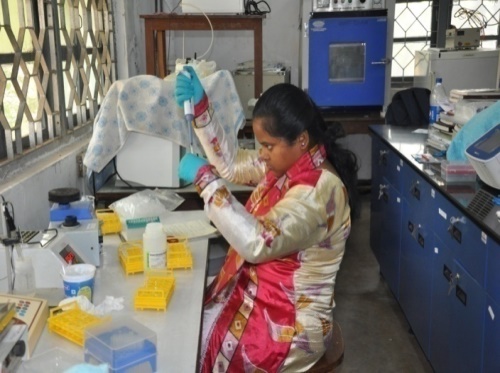
| Biological Anthropology Instrumentation Centre | 1 |
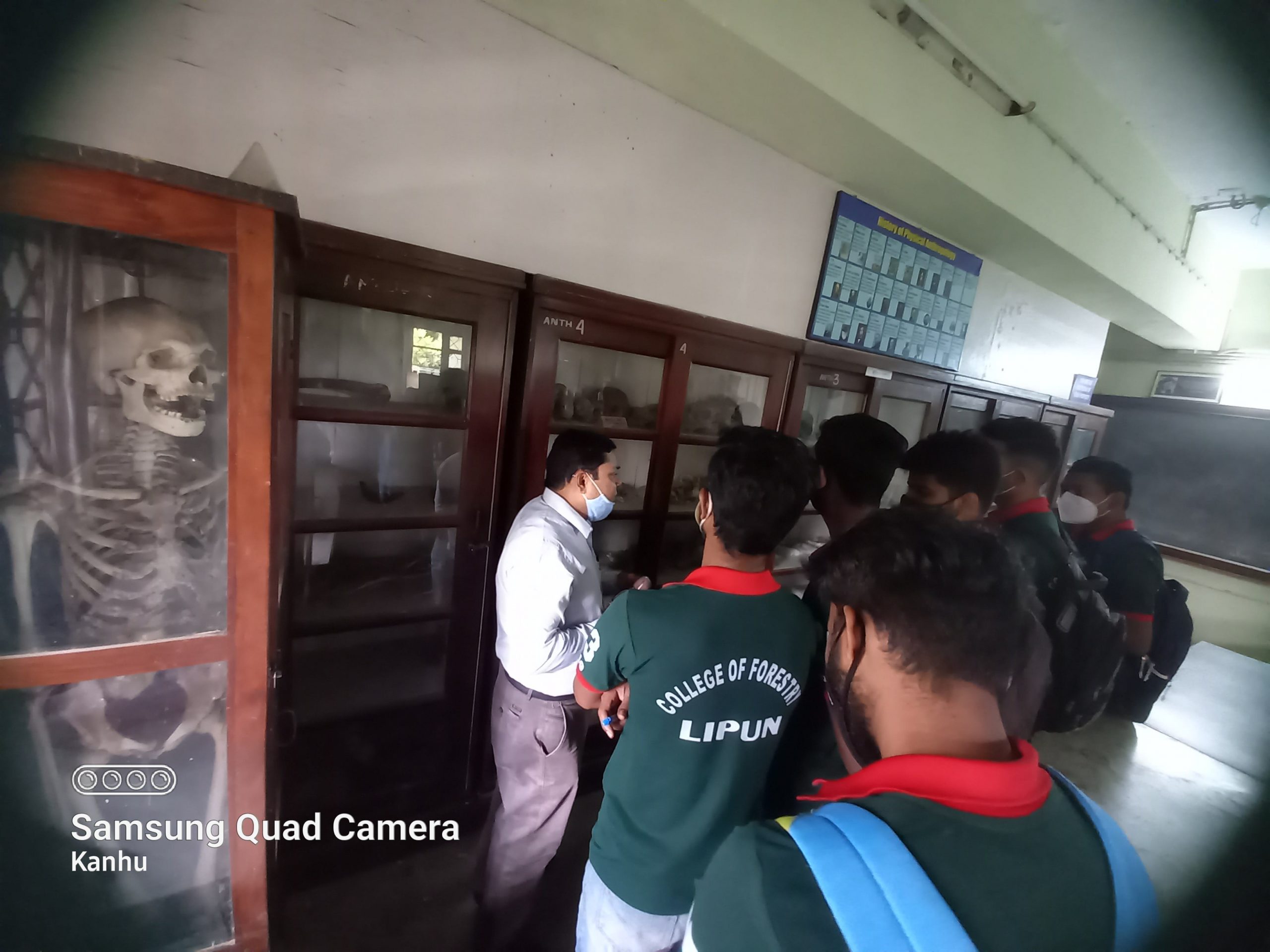
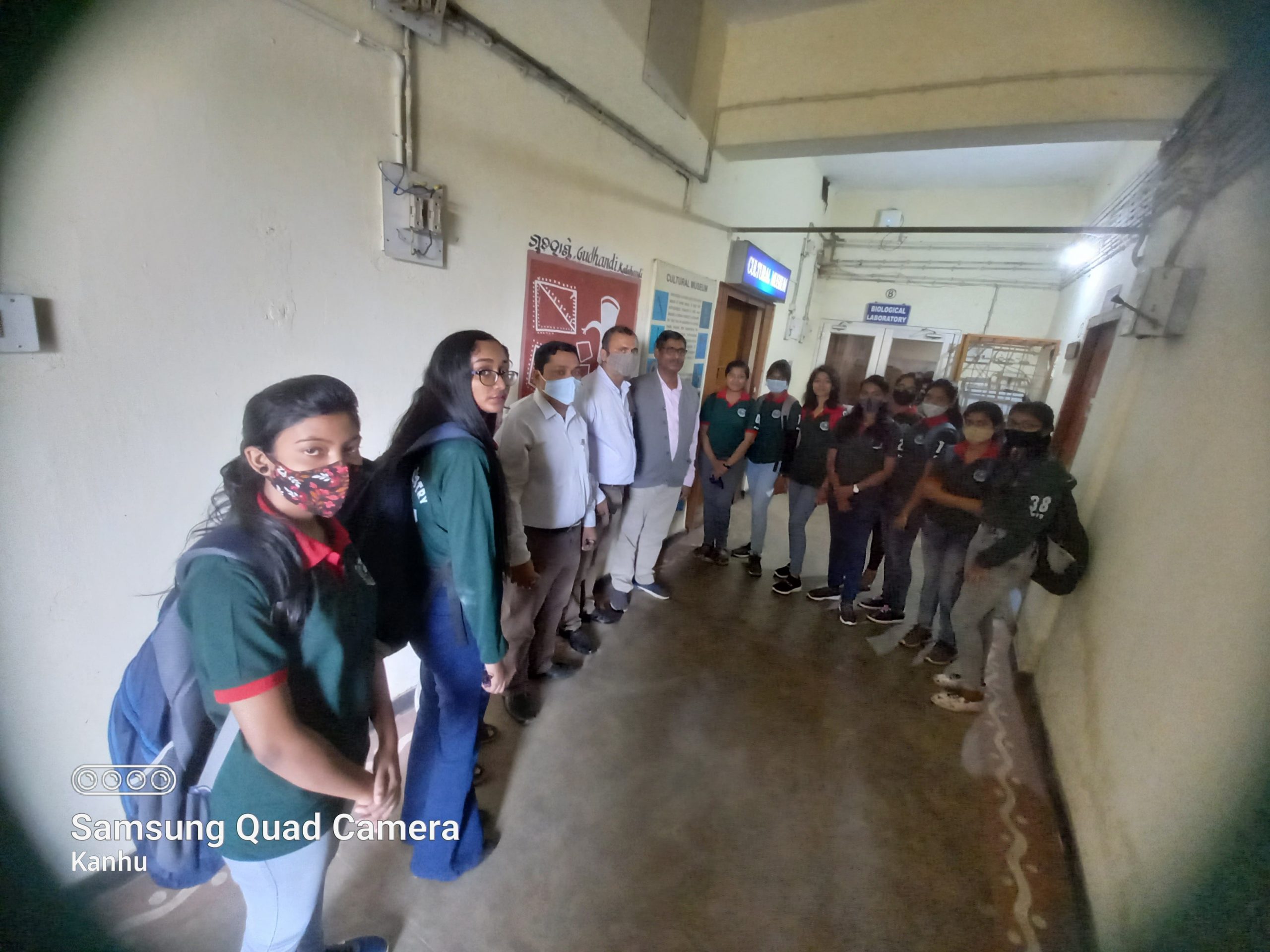
| Cultural Museum | 1 |
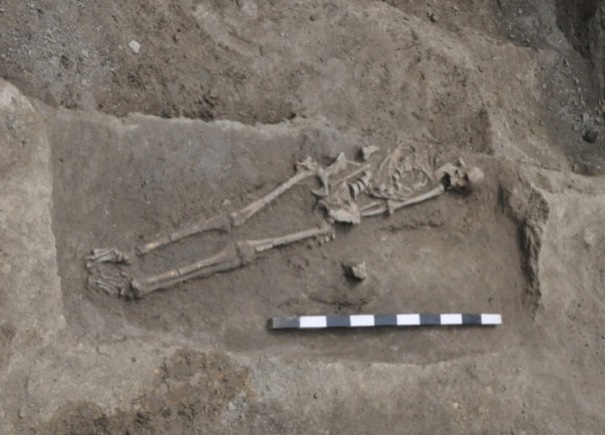
| Pre-historic Archeological Museum | 1 |
| Media laboratory/Studios | 1 |
| Computer lab | 1 |
| Student’s Library | 1 |
| Girls Common Room | 1 |
| Research Scholar’s Room | 1 |
Major Instrumental facilities
About:
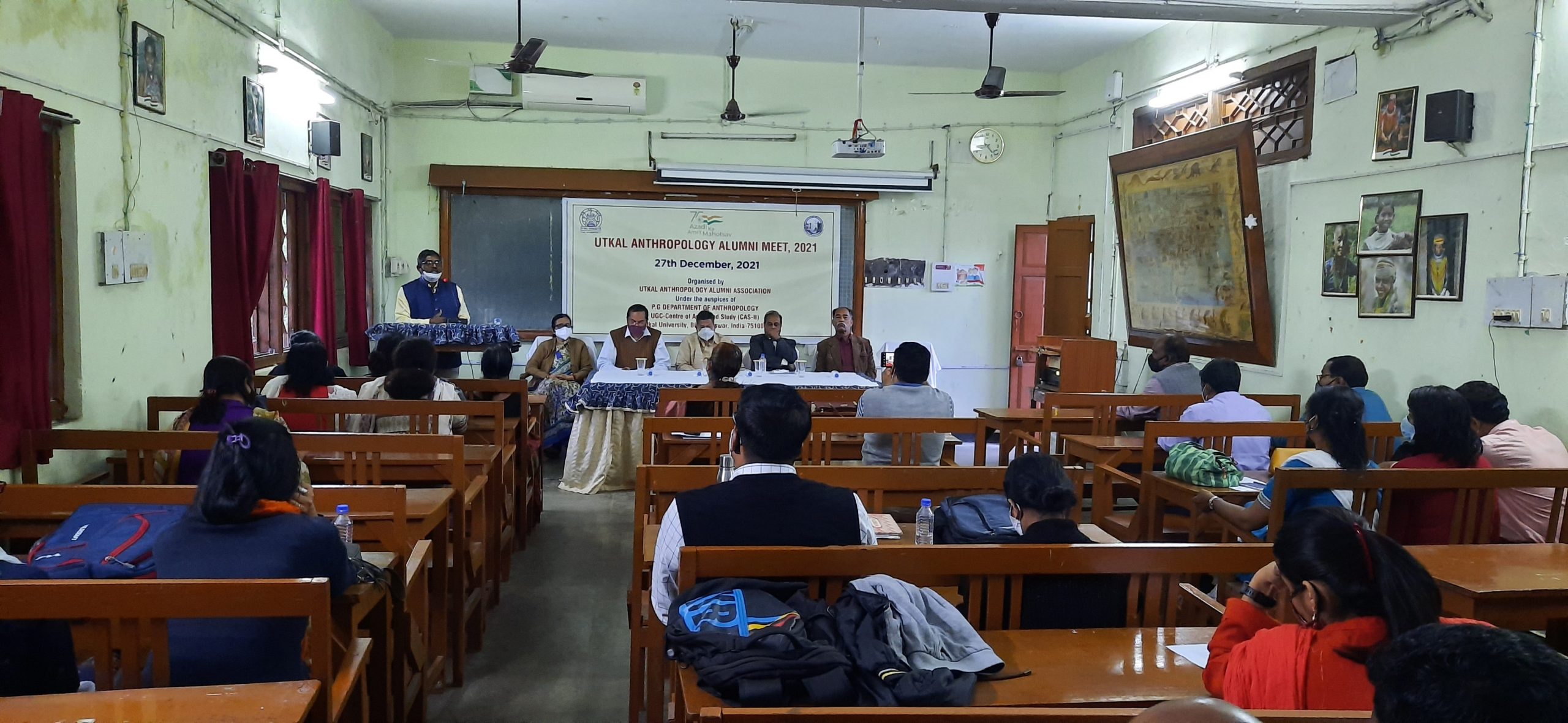
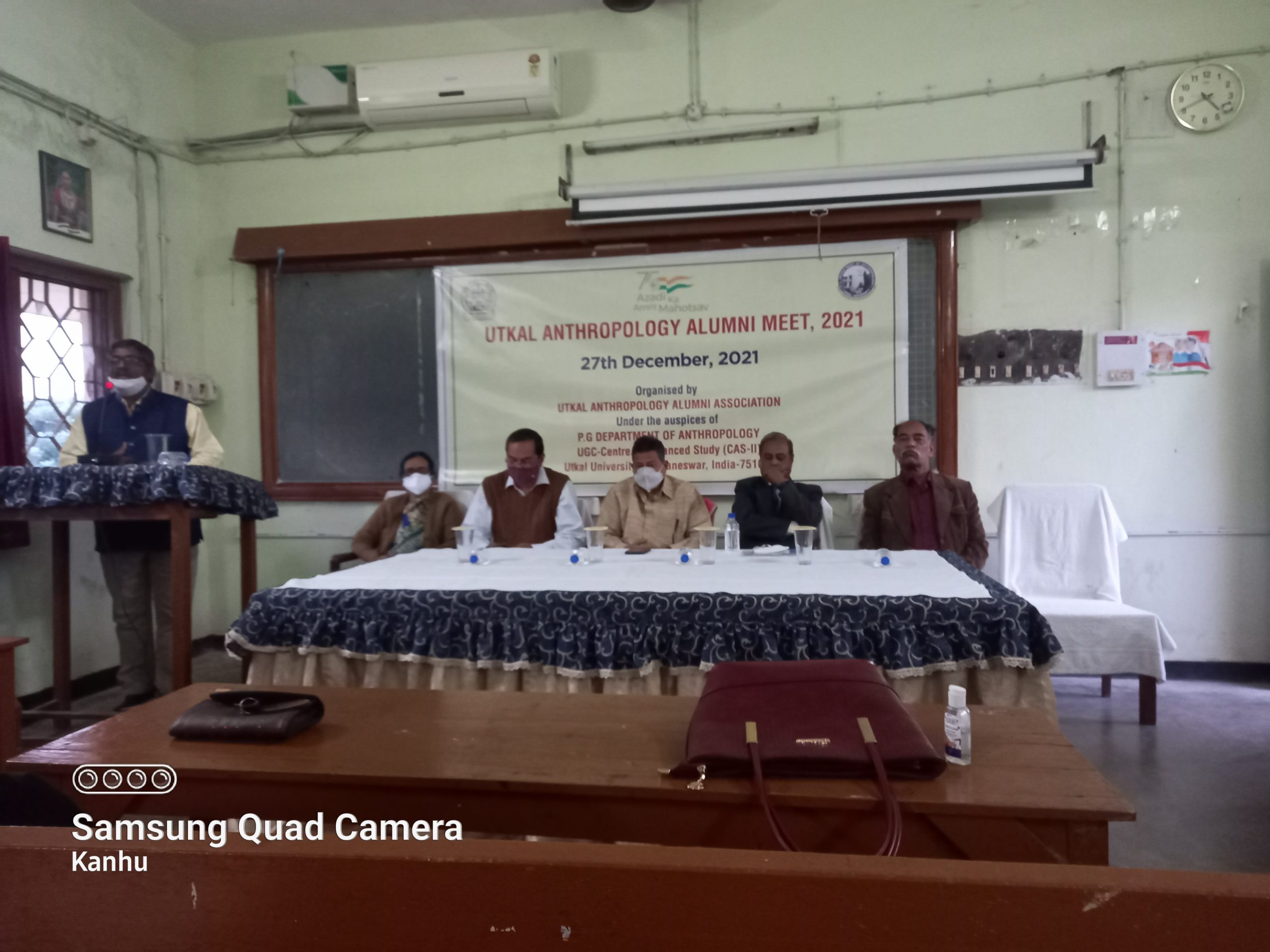
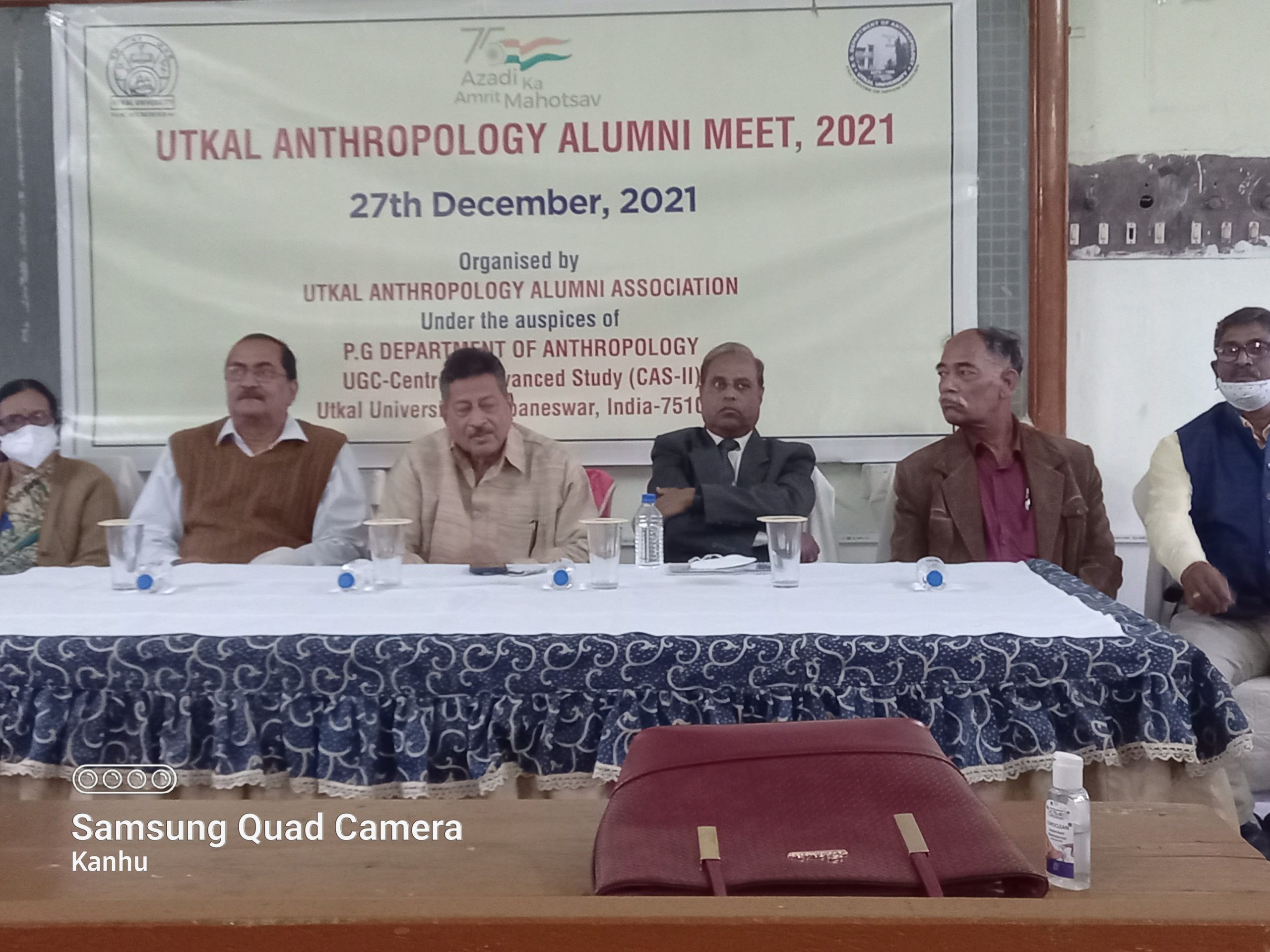
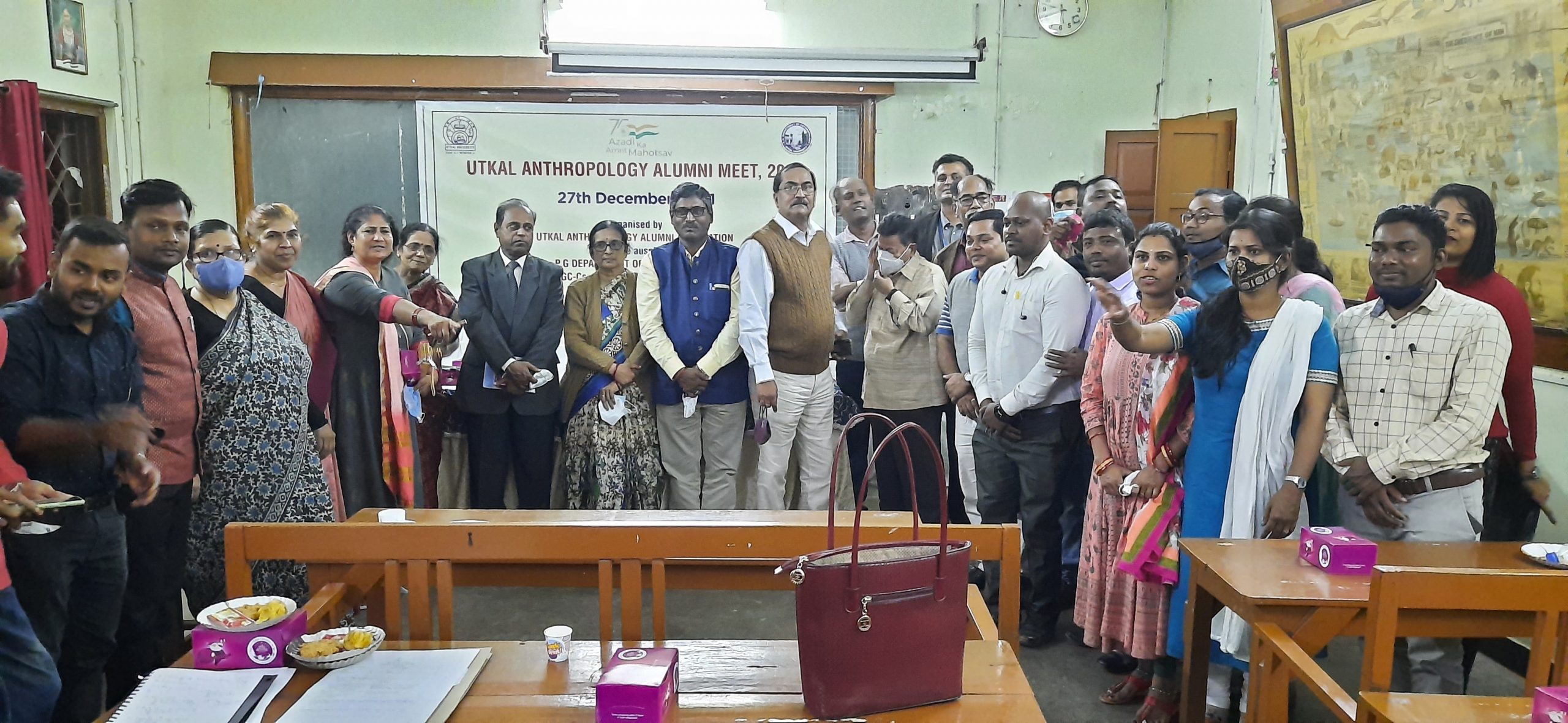
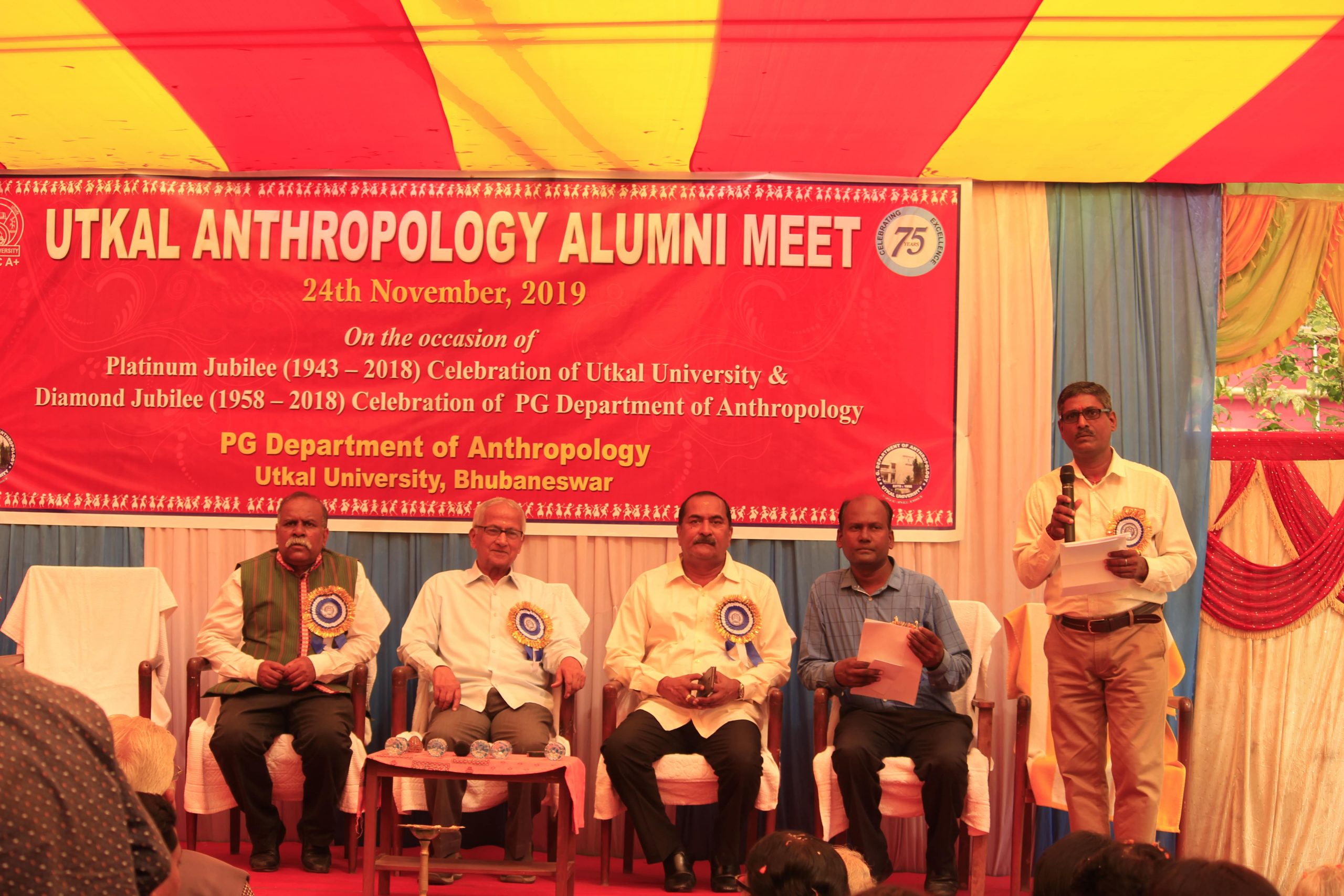
The Department has an Alumni Association which is in the process of registration.
| Distinguished Alumni | Designation | Photo |
| Shri Dharmendra Pradhan | Minister of Education and Skill Development and Entrepreneurship, MHRD, Govt. of India | 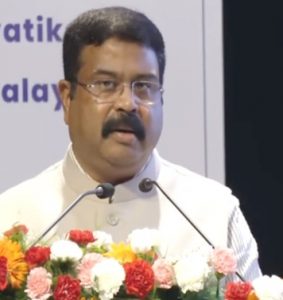 |
| Prof Sabita Acharya | VC, Utkal University, Bhubaneswar | 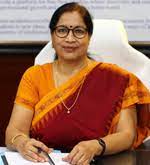 |
| Prof. P.K.Nayak | Former Chairman, Centre for Nabakrushna Choudhary Centre for Development Studies, Bhubaneswar | 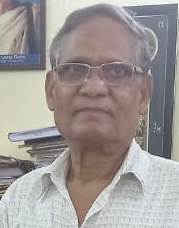 |
| Prof. K K Misra | Former VC,of Utkal University of Culture, Dean, Social Sciences, University of Hyderabad, and Former Director of IGRMS, AnSI, Govt. of India | 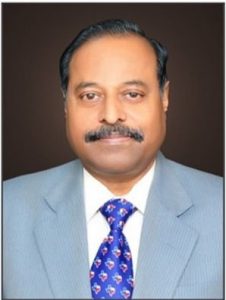 |
| Prof. A B Ota | IAS, Director, SCSTRTI, Govt. of Odisha | 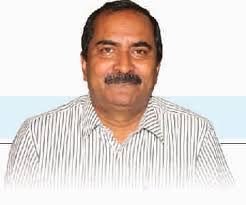 |
| Dr. Harish Chandra Dash | Former Superintendent, Odisha State Museum | |
| Mr. Jagadananda Mohanty | Financial Advisor, Ministry of Defence, Govt. of India | |
| Mr. Kamdeb Mohanty | Chief, Reliance Fresh, India | |
| Mr. Ramakanta Mishra | Former Regional Director, Central SCST Commission | |
| Prof. P.K. Das | Prof. & Former Head, GGD University, Chhattisgarh | 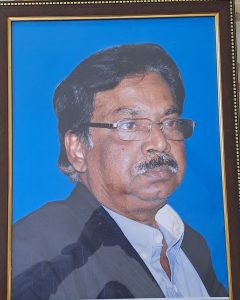 |
| Mr. Basanta Mohanty | Former Regional Director, CARE | |
| Prof. Kishor K Basa | VC, Maharaja Sriram Chandra Bhanja Deo University, Baripada | 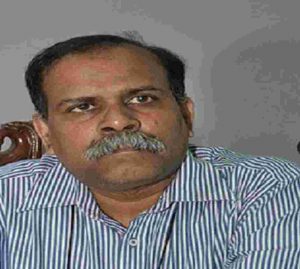 |
| Dr. Rajendra Dehury | Superintending Archaeologist, Archaeological Survey of India, Govt. of India. |